


The post Never Do These 8 Things During a Power Outage — Experts Warn first appeared on Crafting Your Home.
The lights flicker once, then suddenly everything goes silent. The refrigerator stops humming, the Wi-Fi disappears, and the familiar glow of household electronics fades.
At first, a power outage may seem like a simple inconvenience. Many people assume they only need to wait a few hours for electricity to return. But experts warn that everyday decisions during a blackout can create serious risks if people aren’t careful.
Darkness, extreme temperatures, spoiled food, medical equipment concerns, and unsafe attempts to create heat or light can quickly turn a temporary outage into a dangerous situation. The biggest problems often happen because people rely on habits that seem harmless.
A candle is placed too close to something flammable. A generator is moved into a garage because of bad weather. A refrigerator door is opened repeatedly to check on food. During an outage, knowing what mistakes to avoid can make a major difference.
Using Candles Without Considering the Danger

When the power suddenly disappears, candles are often the first thing many people reach for. They provide light and create a familiar feeling during an uncomfortable situation. However, experts warn that open flames can become a serious fire hazard, especially when homes are dark and people are distracted.
A candle near curtains, paper, furniture, or other household materials can quickly create a dangerous situation. A child or pet can accidentally knock one over. Someone walking through a dark room may bump into a table holding a candle.
The U.S. Fire Administration warns that candles are involved in thousands of home fires, and the risk can increase during power outages when people rely on alternative lighting. A blackout already creates stress and confusion. Adding an unattended flame can increase the chance of an accident.
Bringing a Generator Too Close to the Home
Generators can be extremely useful during a power outage, but experts warn that improper use can create deadly risks. One of the most dangerous mistakes people make is moving a generator into a garage, basement, shed, or another enclosed space to protect it from rain or cold weather.
The problem is carbon monoxide, a colorless and odorless gas produced by gasoline-powered generators. Because people cannot see or smell it, they may not realize they are being exposed until symptoms appear. The Centers for Disease Control and Prevention warns that generator fumes can build up quickly in enclosed or partially enclosed areas and may lead to serious illness or death.
A generator that seems safely placed because it is near the home can actually create a hidden danger. Protecting equipment should never come before protecting people.
Ignoring the Threat of Carbon Monoxide
Carbon monoxide is often called a silent danger because it gives little warning before causing harm. During power outages, some households turn to alternative sources for cooking, heating, or lighting. Problems can occur when people bring outdoor equipment inside or use fuel-burning devices in areas without proper ventilation.
Charcoal grills, camp stoves, outdoor heaters, and gasoline-powered equipment can release dangerous fumes. Many people mistakenly assume that opening a window, leaving a garage door partly open, or using equipment briefly makes indoor use safe.
Experts warn that these actions do not remove the risk. Carbon monoxide exposure can affect anyone, but older adults, young children, and people with certain health conditions may be at greater risk.
Constantly Opening the Refrigerator and Freezer
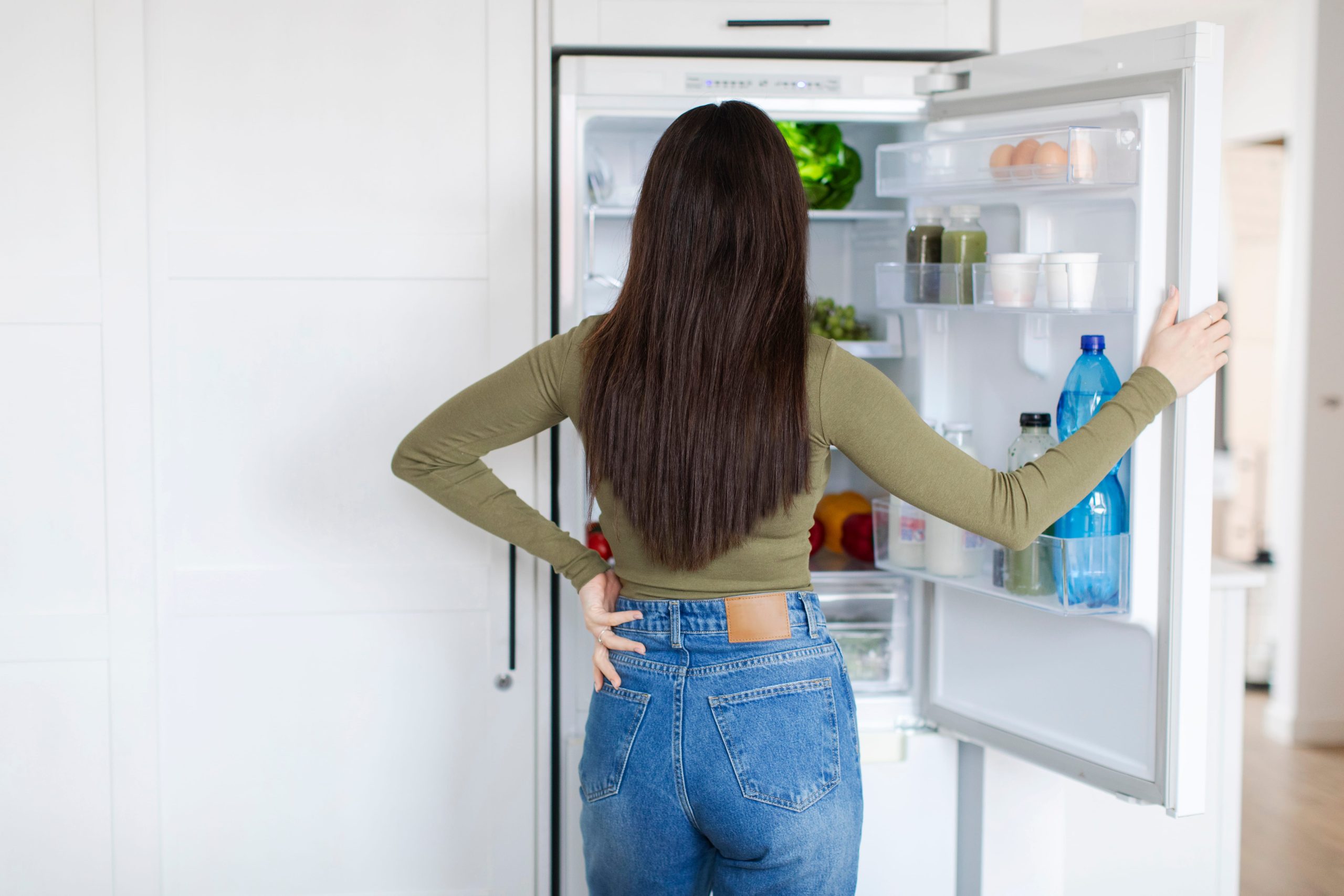
When the electricity goes out, one of the first worries many families have is food. A common mistake is repeatedly opening the refrigerator door to check whether items are still cold. Every time the door opens, cold air escapes. The temperature inside rises faster, which can shorten how long food stays safe.
The U.S. Department of Agriculture advises keeping refrigerator and freezer doors closed as much as possible during outages. A refrigerator can usually maintain a safe temperature for only a limited period without power, depending on conditions.
The temptation to check food is understandable, especially when groceries are expensive. However, repeatedly opening the door can make the situation worse.
Eating Food That May No Longer Be Safe
Another common mistake happens after the power returns. Many people look at food, smell it, and assume it is safe because it appears normal. Unfortunately, dangerous bacteria may not change a food’s appearance, smell, or taste.
The USDA warns that certain perishable foods, including meat, seafood, dairy products, eggs, and leftovers, can become unsafe after spending too much time in the danger zone.
Some people hesitate to throw food away because they do not want to waste money. But trying to save questionable food can lead to foodborne illness. A refrigerator full of spoiled food may feel frustrating, but illness can create a much bigger problem.
Forgetting About People and Pets Who Need Extra Help
A power outage does not affect everyone equally. For some people, a few hours without electricity may only be uncomfortable. For others, it can become dangerous.
Older adults, people who depend on powered medical equipment, infants, and pets may struggle more during extreme heat, cold, or extended outages. A neighbor who lives alone may not have anyone checking on them. Someone using medical equipment may face serious challenges if backup plans are not available.
Pets can also be affected by temperature changes, lack of water, and stressful conditions. Experts emphasize that outages require communities to pay attention to the most vulnerable.
Plugging Everything Back In Immediately

Bigc Studio via Vecteezy
After hours without electricity, many people rush to turn everything back on when power returns. The excitement is understandable. Lights come back on, appliances restart, and life returns to normal.
However, plugging in every device at once can create problems. Large appliances, electronics, and heating or cooling equipment may all try to restart at once.
Power surges can damage sensitive electronics, and overloaded circuits can create additional risks. Experts often warn that the moment electricity returns can be just as important as the moment it disappears.
Assuming Every Outage Will Be Short
One of the biggest mistakes people make is believing the electricity will return quickly. Sometimes it does. But severe storms, equipment failures, natural disasters, or widespread grid problems can leave communities without power for much longer than expected.
Waiting until the outage begins to think about supplies can create unnecessary stress. Many families discover too late that they lack enough batteries, phone power, medication supplies, drinking water, or other emergency essentials. Preparation is often what separates a manageable inconvenience from a serious emergency.
Staying Safe Starts Before the Lights Go Out
Power outages are unpredictable, but their risks are often preventable. The most dangerous mistakes usually come from quick decisions made during stressful moments. Unsafe lighting, improper generator use, food mistakes, and ignoring vulnerable people can all turn a simple blackout into a serious situation.
A power outage may interrupt daily life, but it does not have to become a disaster. Understanding what not to do can help families protect their homes, their health, and the people who depend on them when the lights suddenly go out.
Other posts you might like:
- tropical-storm-bertha-threatens-gulf-coast-with-flooded-roads-power-outages-and-dangerous-heat
- 15-essential-home-safety-items-you-should-have-today
If you like what you just read, then subscribe to our newsletter and follow us on social media.


