
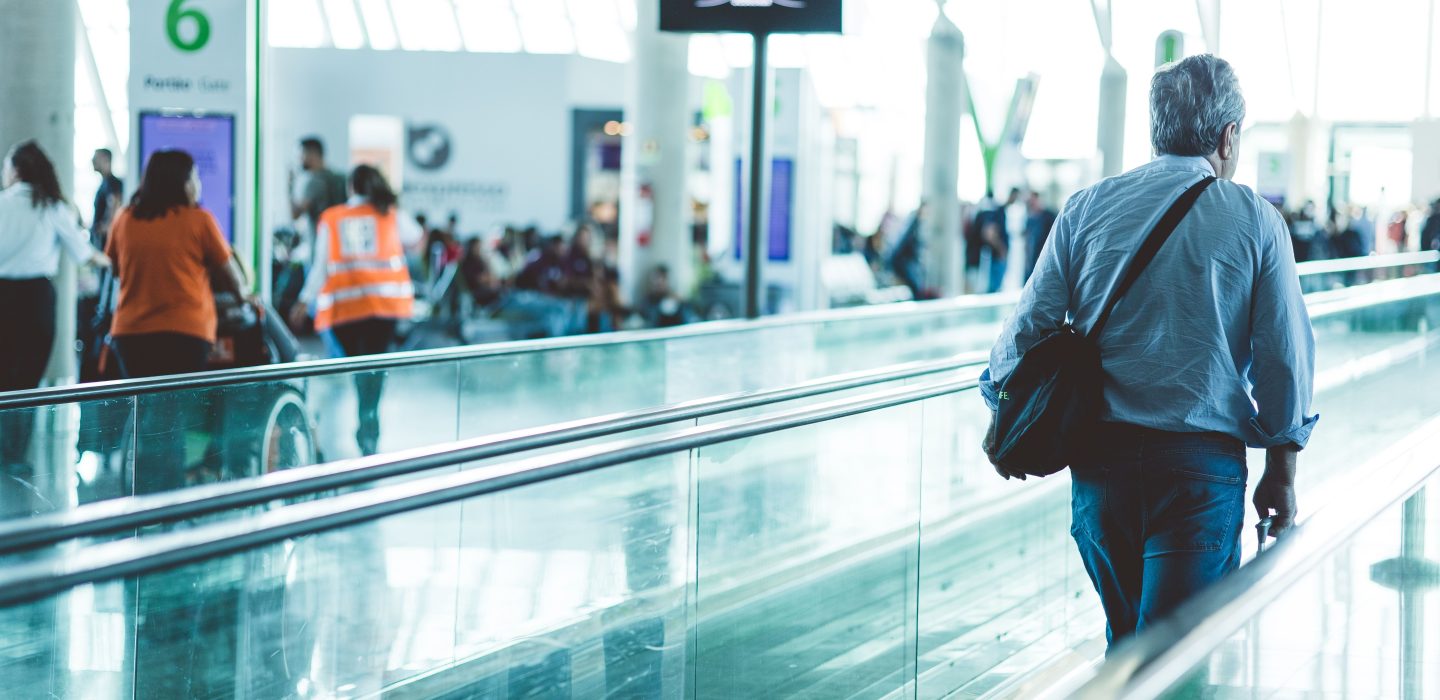


The post If You’re Over 60, Flight Attendants Say Never Fly Without Asking for These 5 Things first appeared on Crafting Your Home.
Flying after 60 can open the door to some of life’s most meaningful experiences. It can mean visiting family, finally taking a dream vacation, exploring a new country, or reconnecting with people who matter.
But while travel can be exciting, airports and airplanes are not always designed for a relaxed pace. Long security lines, huge terminals, heavy luggage, changing gates, and crowded boarding areas can overwhelm even experienced travelers.
Many older travelers hesitate to ask for help because they worry about appearing difficult or losing their independence. However, experienced flight crews and airport professionals often remind passengers that asking for assistance is not a sign of weakness. In many cases, it is a smart way to protect your comfort, energy, and confidence throughout the journey.
Every traveler is different. Some adults over 60 move through airports easily without any extra support, while others may need a little help during certain parts of the trip. Knowing what assistance is available can make flying less stressful and more enjoyable.
Ask for Help Navigating Airports and Connections
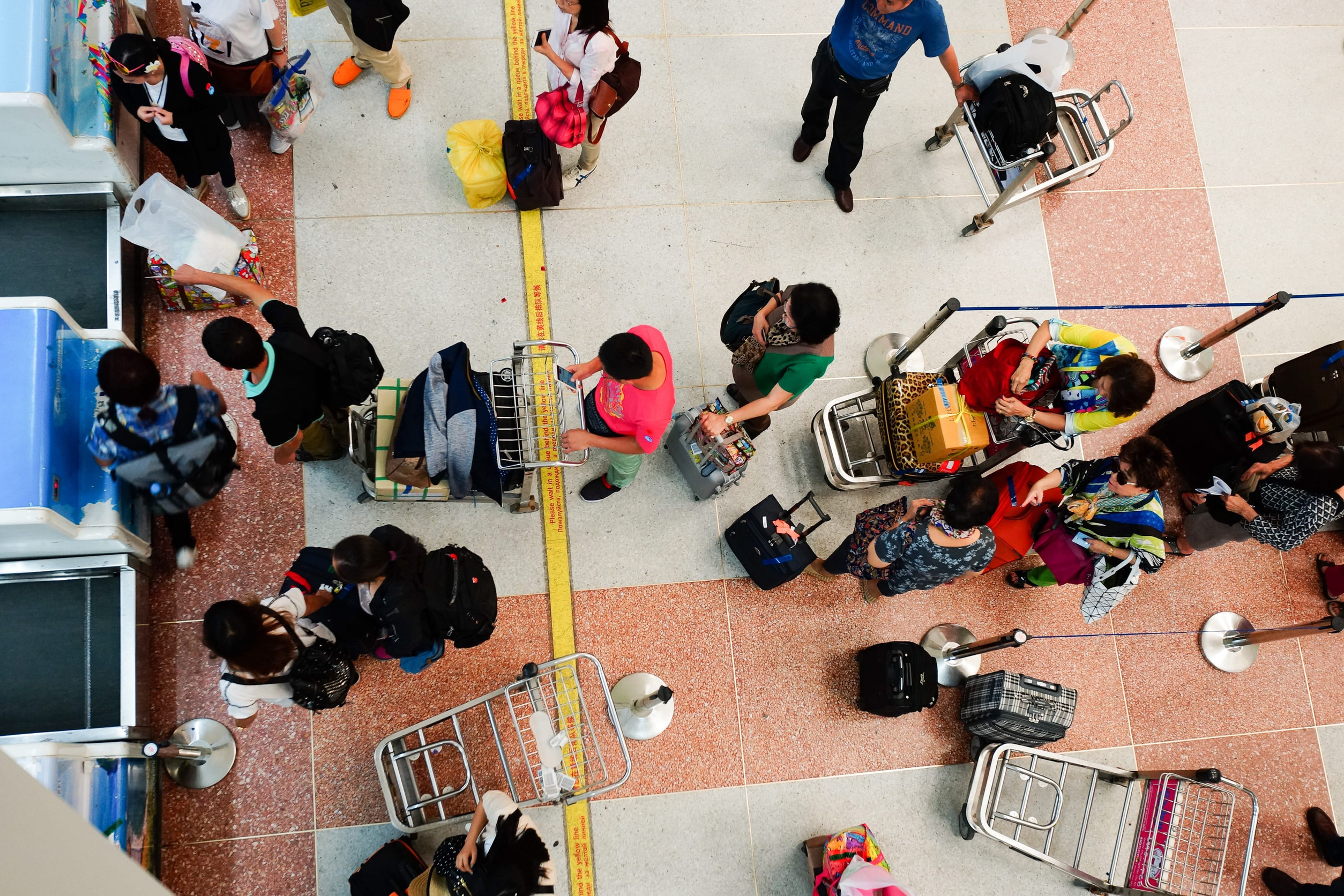
Modern airports can be enormous. A traveler may walk a long distance from security to the gate, rush across terminals during a connection, or suddenly discover that a gate has moved to another part of the airport. For older passengers, these situations can create unnecessary stress, especially when time is limited.
Flight attendants and airport staff often recommend asking for assistance before the travel day becomes overwhelming. Many airlines provide support for passengers who need help moving through the airport, boarding, leaving the aircraft, or making connections.
A traveler may be perfectly comfortable walking around their neighborhood but still struggle with a long airport journey after several hours of travel.
Imagine someone arriving after a delayed flight and discovering their connecting gate is on the opposite side of the airport. Instead of rushing, becoming exhausted, or risking a missed flight, requesting assistance could make the experience much smoother.
Many travelers make the mistake of waiting until they are already tired before asking for help. Planning ahead can make the entire trip easier.
Ask for Help With Overhead Bags
The overhead bin is one of the most challenging parts of flying for many passengers. Carry-on bags can be heavier than expected, and placing them above your head often requires lifting, twisting, and reaching at uncomfortable angles. Add the pressure of other passengers waiting behind you, and a simple task can become stressful.
Flight attendants often see travelers trying to handle bags that are hard to lift. Some passengers push through discomfort because they do not want to inconvenience anyone. However, struggling with a heavy suitcase is not worth the risk of injury.
A simple request for assistance can prevent unnecessary strain. Asking a crew member to help with a bag does not mean someone cannot travel independently. It simply means they are making a practical decision.
Many experienced travelers also make their journeys easier by keeping important items in a smaller personal bag that fits under the seat. Medications, travel documents, glasses, chargers, and other essentials should be easy to reach without repeatedly standing or lifting.
The goal is not just arriving at the destination. It is arriving with enough energy left to enjoy it.
Ask for Wheelchair or Mobility Assistance Even If You Can Walk

One of the biggest misconceptions about wheelchair assistance is that it is only for people who cannot walk. That is not true. Travelers who can walk often use airport wheelchair services because large airports can be physically demanding. Long distances, tight connections, heavy luggage, painful joints, or a tiring travel schedule can make assistance helpful.
Using a wheelchair service does not take away independence. Instead, it can help conserve energy for the parts of the trip that matter most. A traveler may choose to walk through their local area every day but still request airport assistance because navigating a large terminal is a completely different challenge.
Many airlines allow passengers to request assistance from check-in through security, to the gate, during connections, and after landing. The important thing is communicating clearly. Travelers should explain where they need support rather than assuming help will be arranged automatically.
Some passengers request assistance at their departure airport but forget about connections or arrival. Planning for the entire journey can prevent stressful moments later.
Ask Questions When Travel Plans Change
Unexpected changes are part of flying. A gate may change. A flight may be delayed. A connection may become confusing. Announcements may be difficult to hear in a busy terminal.
When something is unclear, many travelers simply hope they understood correctly. That can create unnecessary anxiety later. Flight attendants and airport workers encourage passengers to ask questions instead.
If you do not understand an announcement, ask someone to repeat it. If your gate changes, confirm where you need to go. If you are worried about making a connection, speak with airline staff before time becomes a problem.
Many older travelers hesitate because they do not want to slow others down. But asking a question early is usually much easier than dealing with confusion later. Travel becomes more enjoyable when passengers feel informed and prepared.
Related: 13-travel-mistakes-that-can-turn-your-dream-trip-into-a-stressful-mess
Ask for Seating and Comfort Support
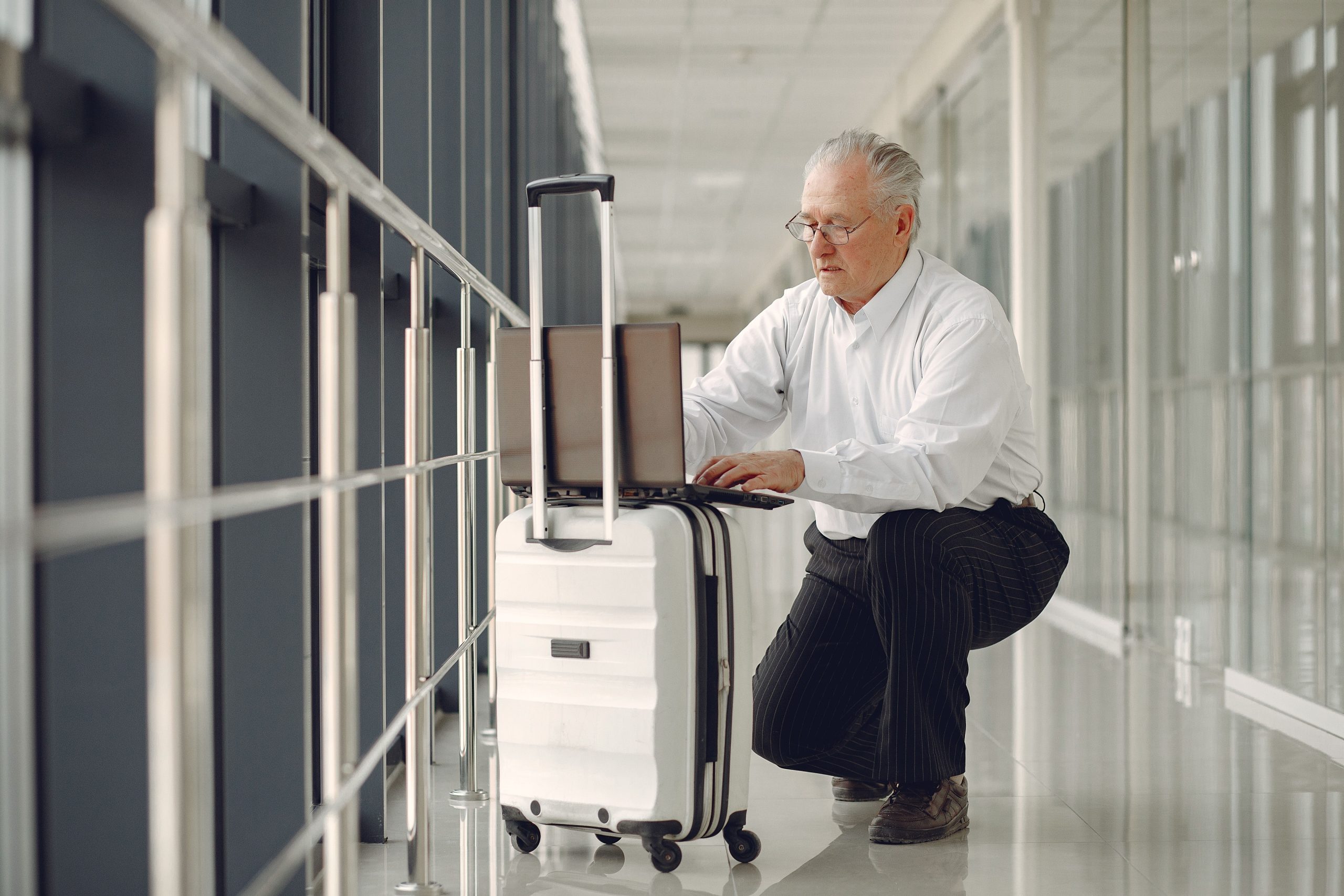
A comfortable seat can make a major difference during a long flight. For some travelers, an aisle seat may make movement easier. Others may prefer being closer to the front to reduce walking after landing. Some passengers may need specific accommodations because of personal circumstances or disabilities.
Flight attendants and travel professionals encourage passengers to speak up about reasonable comfort needs rather than struggle in silence. Small requests can make a big difference. A traveler may need help understanding where items are stored, finding the nearest restroom, or knowing when cabin service is coming.
Many passengers avoid asking because they believe their request is too minor. But flight crews are there to help create a safe and comfortable travel experience.
The key is communicating early. Once a flight is full and everyone is settled, options may become more limited. A smoother flight often begins with a simple conversation before problems appear.
A Small Request Can Make a Big Difference
Getting older doesn’t mean giving up the joy of travel. Many adults over 60 continue exploring the world, visiting loved ones, and creating unforgettable memories. The difference is that experienced travelers often learn the value of using available support.
Asking for airport assistance, help with luggage, mobility support, seating accommodations, or clearer instructions is not a loss of independence. It protects your time, energy, and enjoyment.
The best trips are not just about reaching a destination. They are about arriving feeling comfortable, confident, and ready to enjoy the moments waiting at the other end.
Other posts you might like:
- northeast-flights-are-flying-again-but-duffy-warns-the-delays-will-take-days-to-clear
- 10-things-you-should-never-do-on-a-flight
If you like what you just read, then subscribe to our newsletter and follow us on social media.


