

The post Why More People Are Building “No-Phone Hours” Into Their Evenings at Home first appeared on Crafting Your Home.
Somewhere between the fortieth mindless scroll and the third time you looked up and had no memory of the last twenty minutes, a lot of people hit the same wall.
The response isn’t a dramatic flip-phone downgrade or a permanent goodbye to social media. It’s smaller, and honestly a lot more doable: carving out a set of phone-free time at home, every day, on purpose. Here’s what’s actually driving this shift, and what people are filling that time instead.
The Numbers Behind the Great Phone Timeout
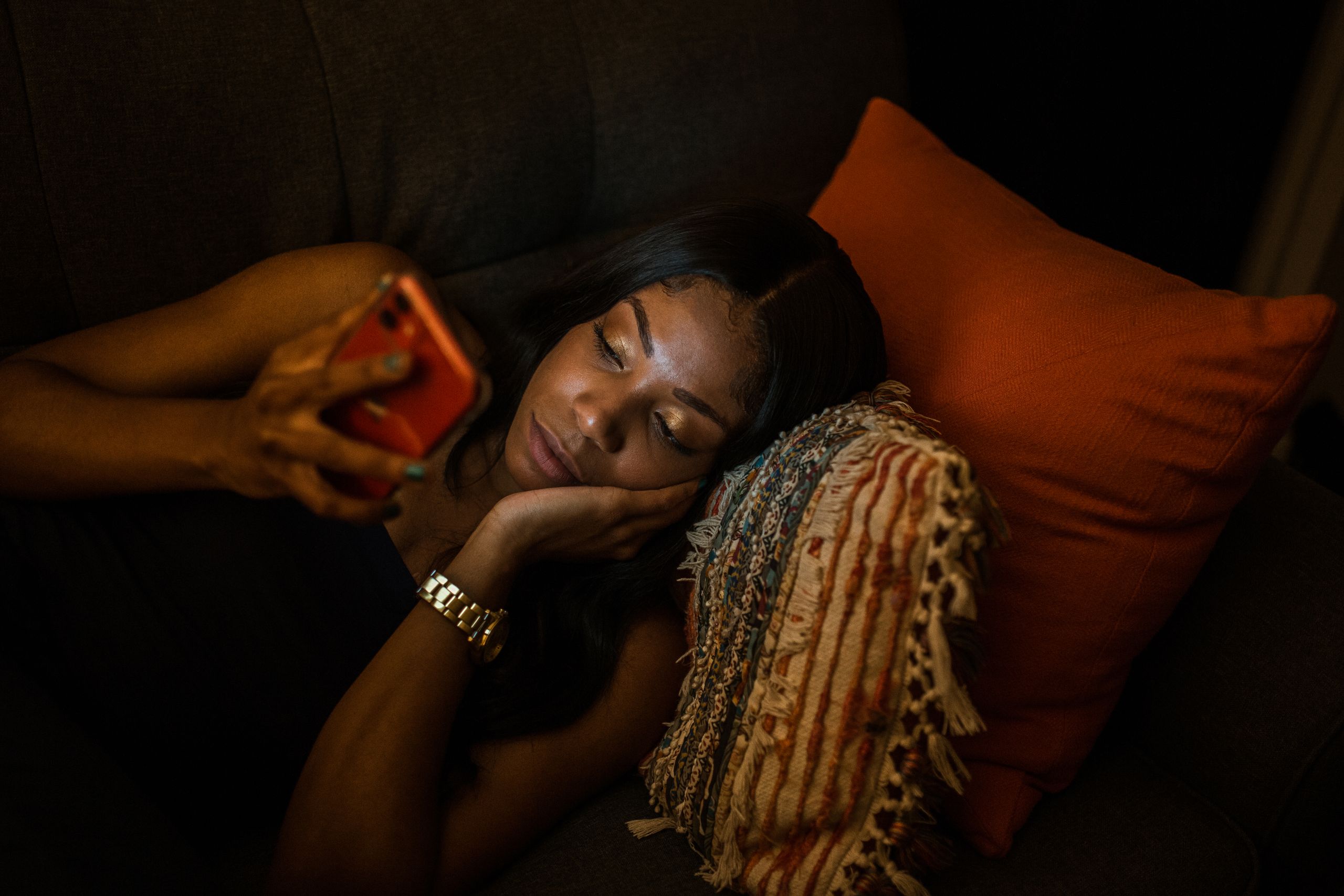
This isn’t a fringe habit. According to a December 2025 survey from Talker Research reported by Axios, 63% of Gen Z respondents said they intentionally disconnect from their devices, more than any other generation surveyed. Millennials followed at 57%, Generation X at 42%, and baby boomers trailed at 29%, suggesting this is very much a younger-generation-led shift rather than something older Americans are driving.
It’s worth understanding why so many people feel the pull to step away in the first place. According to Consumer Affairs data cited by Axios, the average American checks their phone roughly 144 times a day and spends about 4.5 hours on their device daily. That’s not a rounding error. That’s nearly a fifth of a waking day, spent looking at a five-inch screen.
The broader “going offline” movement backs this up on a much bigger scale, too. According to Eventbrite, phone-free experiences on its platform surged 567% globally between 2024 and 2025, driven primarily by Gen Z and millennials looking for something screens can’t give them. That same data found phone-free events in the U.S. specifically grew 388% in volume, with attendance jumping 913%. People aren’t just talking about wanting less screen time. They’re actively building entire events, and increasingly entire evenings at home, around the absence of a phone.
Related: 9-everyday-foods-people-are-choosing-as-they-think-about-aging-well
What “No-Phone Hours” Actually Looks Like at Home
So, what replaces the phone once it’s set down? According to people documenting their own routines, the answer usually isn’t some elaborate wellness ritual. It’s often refreshingly analog and low-tech.
One writer for Slate described building a nightly phone shutdown into their routine using, of all things, an old-school corded landline paired with a cellular-to-landline adapter, so an emergency call could still reach them without keeping their smartphone within arm’s reach after work. The point wasn’t nostalgia for its own sake. It was reclaiming hours quietly handed over to a small glowing rectangle, while still keeping a safety net in place.
That same instinct- to give the phone somewhere else to live physically- shows up as a core piece of practical advice from the broader “going analog” movement. One frequently repeated tip: designate an actual home for your phone, like where a landline used to sit, and leave it there consistently whenever you’re home. The idea is that a phone sitting in a bedroom charger is a phone you’re far less likely to absentmindedly pick up while making dinner or half-watching TV in the next room.
As for what fills the actual hours, craft retailer Michaels’ 2026 Creativity Trend Report offers a pretty clear answer. According to the report, searches for analog hobbies like knitting, crocheting, embroidery, and painting climbed 136% over a recent six-month period, with the company describing the shift as people reaching for “tactile, analog activities to reclaim time and identity in an automated world.” Reading is showing constantly in this trend too. Phone-free gatherings organized by groups like The Offline Club, which started in Amsterdam and has since spread across Europe, are often built around little more than a room full of people quietly reading, drawing, or working on puzzles together, no agenda beyond simply not looking at a screen.
Related:/8 alarming-ways-financial-stress-is-quietly-tearing-marriages-apart
Why It’s Catching on Now

Ask people why they’re doing this, and the reasoning tends to circle back to the same core complaint: exhaustion with being constantly reachable, constantly performing, and constantly comparing.
According to reporting on the broader phone-free movement, much of the appeal comes down to genuine burnout from curated online identities, nonstop notifications, and digital environments that rarely allow for real mental rest. People aren’t necessarily rejecting technology outright. They’re drawing a boundary around a specific chunk of their day and protecting it fiercely. The same way earlier generations protected dinner time from ringing landlines.
There’s also a generational irony worth noting here. The people leading this shift, Gen Z and millennials, are the same generations who effectively grew up pioneering constant smartphone use. According to coverage of the trend, that’s part of what makes the shift notable: this isn’t an older, less digitally native group rejecting technology out of unfamiliarity. It’s the most online generations in history voluntarily building boundaries around their own habits, because they felt the cost of constant connectivity most directly.
None of this requires throwing your phone in a drawer forever or moving to a cabin off the grid. Based on what people building these routines are actually doing, the formula looks a lot simpler than that: pick a consistent window, give the phone a physical home somewhere else in the house, and fill the space with something tactile, a book, a hobby, an actual conversation. It’s a small, repeatable boundary. And according to the data, a growing number of people are deciding it’s worth protecting every single day.
Other posts you might like
- 10 grocery-items-americans-are-cutting-back-on-due-to-inflation
- 8-grocery-store-tricks-nutritionists-use-to-shop-smarter
If you like what you just read, then subscribe to our newsletter and follow us on social media.


