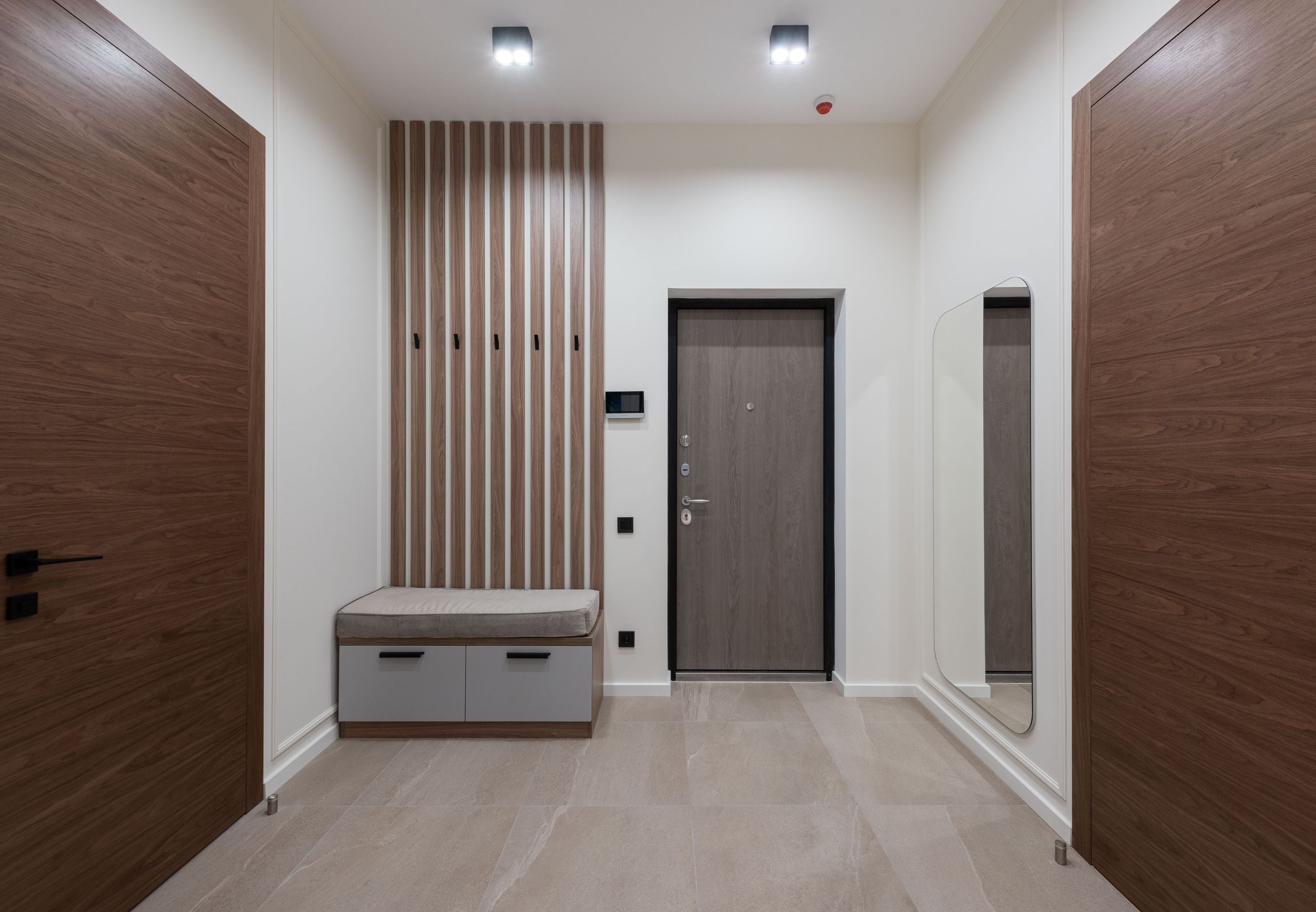
The post 5 Small Entryway Tweaks That Can Make Your Whole Home Feel More Organized first appeared on Crafting Your Home.
Your entryway works harder than almost any other room in the house. It catches your keys, your shoes, your mail, and your mood the second you walk through the door.
Professional organizers say that’s exactly why it’s worth fixing first. A messy front hall doesn’t just look chaotic; it tends to set the tone for the rest of the house.
The good news? You don’t need a renovation to turn things around. A few small, deliberate changes can make the space feel calmer almost overnight.
Here are five simple entryway shifts that organizing pros say make a real difference.
Give Everything a “Landing Zone”
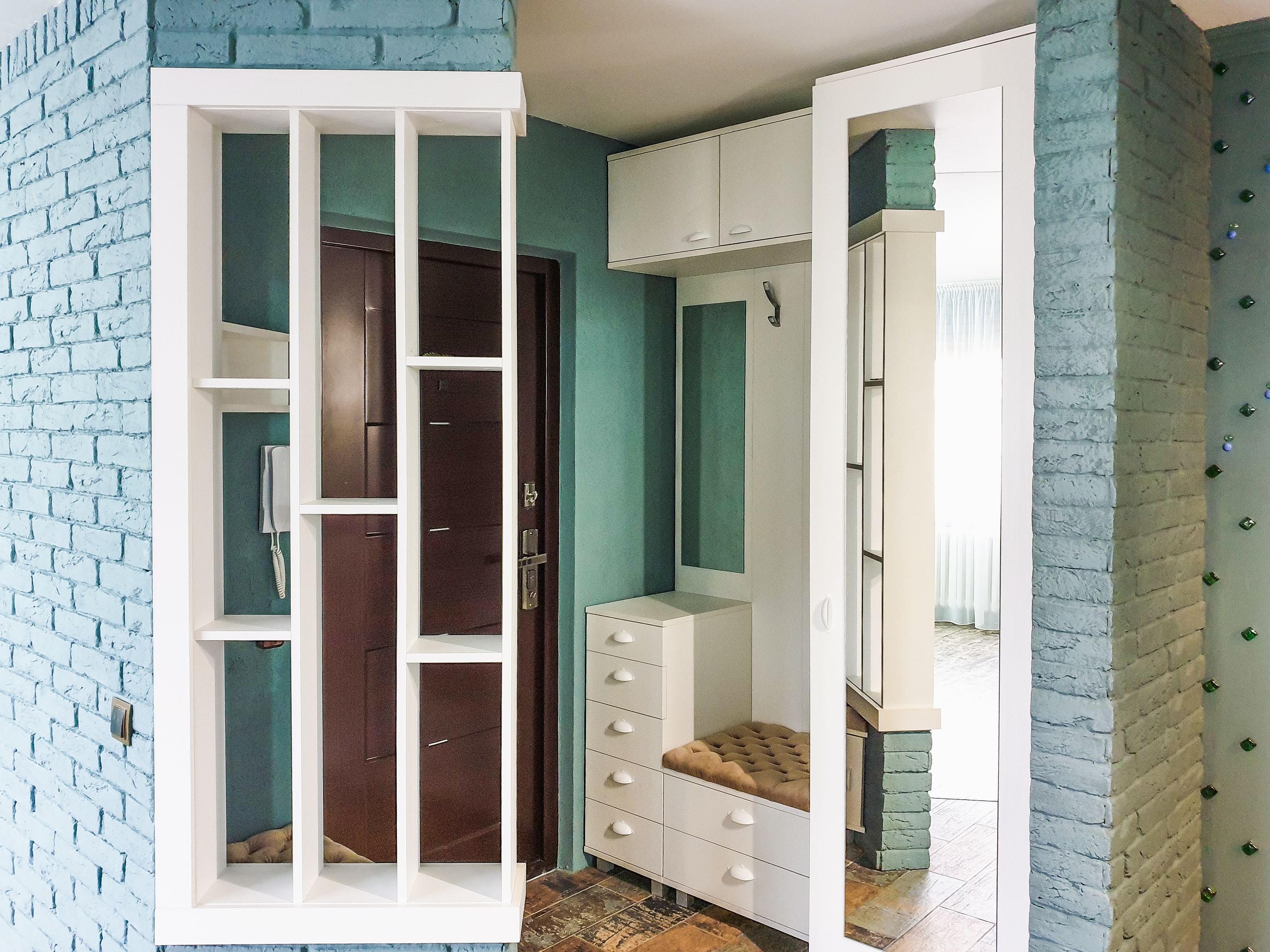
Clutter piles up when items don’t have an assigned spot. Professional organizer Carol Appelbaum, founder of Luxury Pro Organizer, says the fix is creating clear visual zones for the things that pass through your door every day.
She suggests using trays or bins so items like keys, sunglasses, mail, and gloves each have their own defined space instead of landing wherever there’s room.
Consumer Reports found similar advice from professional organizers, who recommend keeping a small tray or bowl near the door specifically for mail and keys, so they never end up scattered across a counter or table.
The idea is simple: when everything has a “home,” it’s far less likely to end up in a pile.
Add Hooks Even If You’re Short on Space
You don’t need a mudroom to make hooks work. According to The Home Edit, over-the-door organizers and adhesive hooks are especially useful in rental homes or tight entryways, since they require no permanent installation.
Hooks are a low-cost way to keep coats, bags, and even leashes off the floor and off chairs, two of the most common clutter magnets near a front door.
If you have a coat closet in your entryway, home organization brand The Tailored Closet recommends adding hooks inside the door for purses or bags, plus small baskets for gloves and scarves. This keeps the closet functional instead of turning it into another drop zone.
Related: 10 Best Plants for Rain Gardens to Combat Runoff and Erosion
Swap Open Piles for Closed Storage
An open shelf might look tidy on day one, but it quickly becomes a catch-all. That’s why organizers increasingly recommend concealed storage over open bins.
Appelbaum advises using containers with a lid or a closed front whenever possible, since a defined boundary makes it obvious when a space is getting overloaded and easier to keep it that way.
This doesn’t mean you need to hide everything. A single open tray for daily essentials is fine. It’s the overflow extra shoes, seasonal gear, stray mail that benefits from being tucked into a bin, basket, or cabinet with a door.
Set a Limit on What Stays by the Door