


The post 8 Alarming Ways Remote and Hybrid Work Are Turning Americans Into a ‘Desk-Fast’ Generation first appeared on Crafting Your Home.
For millions of Americans, morning routines have changed dramatically. The walk to the car, the trip to a train station, the steps across an office building, and the quick conversations that required leaving a desk have been replaced by a shorter journey: opening a laptop at home.
Remote and hybrid work have reshaped modern work life, offering flexibility and new ways to balance personal responsibilities. But research suggests these changes have also altered how many people move throughout the day. The concern is not that working from home automatically makes people inactive, but that many workers have lost small bursts of movement that once happened without planning.
The commute disappeared, and daily movement changed

A commute was never a workout, but it often created natural opportunities for movement. Walking to parking lots, climbing stairs, moving through transit stations, or heading out for lunch added small amounts of activity that were built into the workday.
A 2024 meta-analysis published in the International Journal of Environmental Research and Public Health reviewed 17 studies involving more than 36,000 people for physical activity outcomes and more than 57,000 people for sedentary behavior outcomes. The researchers found that pandemic-related shifts toward working from home were associated with lower physical activity and higher sedentary behavior.
A separate U.S. study of 2,393 workers found that people reporting increased telework were more likely to report decreases in physical activity, active transportation, and park use. However, the study also found that these workers were not less likely to meet aerobic activity guidelines, showing that the relationship is more complicated than simply saying remote workers stopped exercising.
Home offices remove everyday reasons to stand
Traditional workplaces often create movement without employees thinking about it. Walking to a meeting room, visiting a coworker’s desk, getting coffee, using office equipment, or leaving the building for lunch can interrupt long periods of sitting.
At home, those moments can disappear. A worker may move only a few steps between a desk, kitchen, and living space throughout an entire workday.
A 2025 systematic review and meta-analysis of 38 studies involving 282,264 participants compared working from home with onsite work. Researchers found that working from home was associated with about 31 additional minutes of sitting during work hours and about 2,564 fewer daily steps on average, though they noted differences between studies.
The bigger lifestyle shift is that workers must intentionally create movement instead of relying on their environment to encourage it.
Exercise habits do not change the same way for everyone
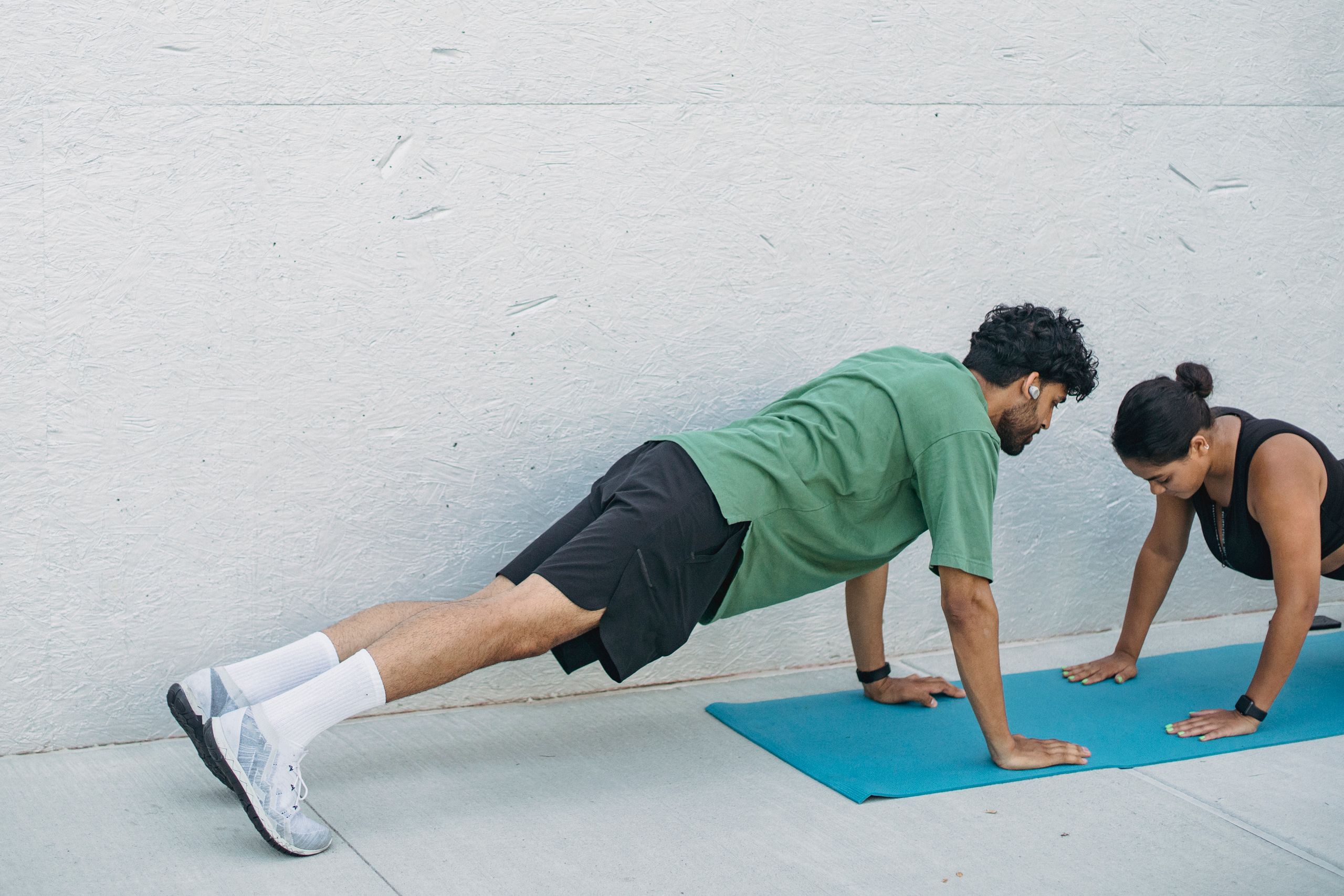
Remote work can create more flexibility. Some workers may use saved commuting time for exercise, errands, family responsibilities, or rest. Others may find that the same flexibility makes it easier to stay seated longer.
Research from the U.S. study of teleworking patterns found a mixed picture. Increased telework was linked with reductions in certain activities, but workers were not less likely to meet aerobic activity recommendations.
Time-use research from economists Alexander Bick, Adam Blandin, and Karel Mertens found that working from home saved workers an average of 72 minutes on work-from-home days across 27 countries. However, workers did not automatically turn that extra time into exercise. Workers used portions of that time for work, caregiving, and other activities.
This means remote work does not create one universal lifestyle. The outcome depends on personal routines, job demands, and home environments.
Related:how-to-stay-fit-when-you-have-no-time-for-exercise
The boundary between work and home can blur
Younger workers experienced a major workplace shift

Remote work is not equally common across all age groups. Younger workers are not the largest remote-working group, but many young adults experienced major changes in work routines during an important stage of life.
U.S. Census Bureau analysis found that the share of young adults ages 18 to 34 working from home increased by 12 percentage points between 2019 and 2021.
At the same time, Bureau of Labor Statistics data showed that younger workers were less likely to telework than older groups in early 2024. Only 7.9% of workers ages 16 to 24 teleworked, compared with 25.1% of workers ages 25 to 54.
The important point is not that one generation is doomed to become inactive. Instead, many workers are adapting to a new environment where office routines are no longer automatically part of daily life.
Related:work-stress-is-reaching-a-breaking-point-as-employees-feel-overworked-exhausted-and-ready-for-change
Video meetings can make workdays feel physically flat
Remote work has also changed how employees interact. Instead of walking across an office for meetings, many workers move from one video call to another with a simple click.
Research on videoconference fatigue has examined how repeated online meetings affect employees’ experiences. A 2021 study published in the Journal of Applied Psychology found that factors such as meeting experiences and feelings of group belonging were connected with how fatigued people felt after video meetings.
Another U.S. survey of 902 adults found that higher Zoom fatigue scores were associated with more weekly video calls. The study measured connections between video meetings and experiences such as stress and isolation but did not prove that video meetings directly caused those feelings.
The physical difference is simple: moving between meetings once meant walking through hallways. Now it may only mean switching tabs.
Home workplaces are becoming permanent

For many Americans, the home office is no longer temporary. Dining tables, bedrooms, kitchen counters, and spare rooms have become long-term workspaces.
Pew Research Center found that among workers with jobs that can be done remotely, 35% worked from home all the time in 2023, while 41% followed hybrid schedules. Before the pandemic, only 7% reported working from home full time.
The quality of these workspaces varies widely. A 2021 survey of university employees found that many relied on laptops and that fewer than half reported having seating with adjustable armrests. Some workers reported discomfort in different body areas, although the study did not prove that workspace conditions caused those experiences.
As remote work continues, home workplace design may become increasingly important.
Rebuilding movement requires new habits
The solution is not a single product or quick fix. Researchers and workplace organizations are exploring ways to add movement back into remote and hybrid routines. The CDC recommends workplace approaches that include short five- to 10-minute activity breaks, recognizing that desk-based work can limit movement opportunities.
Studies on standing desks and treadmill desks show that these tools can change some movement patterns, but they are not a complete answer. One 2021 trial found early increases in standing and stepping, but no significant long-term difference in total daily sedentary time after 12 months.
The future of remote work may depend less on forcing people back into old routines and more on designing new ones. The challenge is finding ways to recreate the small movements that offices once provided naturally.
For millions of remote and hybrid workers, the biggest change may not be losing exercise. It may be the disappearance of all the tiny reasons to move.
Other posts you might like
- reasons-why-remote-workers-are-moving-to-these-5-cities-in-record-numbers
- 7-ways-to-protect-your-mental-health-while-working-remotely
If you like what you just read, then subscribe to our newsletter and follow us on social media.


