

The Post Dig In: 5 Fall Favorites Every Gardener Can’t Stop Talking About This Year first appeared in Crafting Your Home
Fall isn’t just for raking leaves and carving pumpkins. For serious gardeners, autumn is secretly one of the best times of year to get your hands in the dirt.
Cooler temperatures, softer sun, and cooperative soil make fall the ideal window for planting everything from spring-blooming bulbs to next summer’s garlic crop. And this year, a handful of plants are generating real buzz among gardeners and horticultural organizations alike.
Here’s a look at five fall favorites that are earning attention in 2026, and why experts say now is the time to get them in the ground.
Bulbs and Blooms Gardeners Are Racing to Plant
If there’s one plant category dominating fall planting conversations in 2026, it’s bulbs, and crocus is leading the pack.
The National Garden Bureau, a nonprofit dedicated to encouraging home gardening across the U.S. and Canada, named crocus the featured bulb in its 2026 “Year of the” program, according to the organization’s official announcement. The program highlights genera the group considers easy to grow, genetically diverse, and rich with new breeding to showcase to home gardeners.
What makes crocus particularly interesting this fall is the range within the genus itself. According to the Columbia Star, most people know crocus as the cheerful little flowers that push up through late-season snow. Still, the fall-blooming Crocus sativus is where things get really exciting for adventurous gardeners. That species is the source of saffron, widely considered the world’s most expensive spice, and its dried red stigmas are exactly what home growers are after when they plant it. Retailers including Renee’s Garden currently sell saffron crocus corms specifically for fall planting, giving backyard gardeners a shot at growing their own culinary spice from scratch.
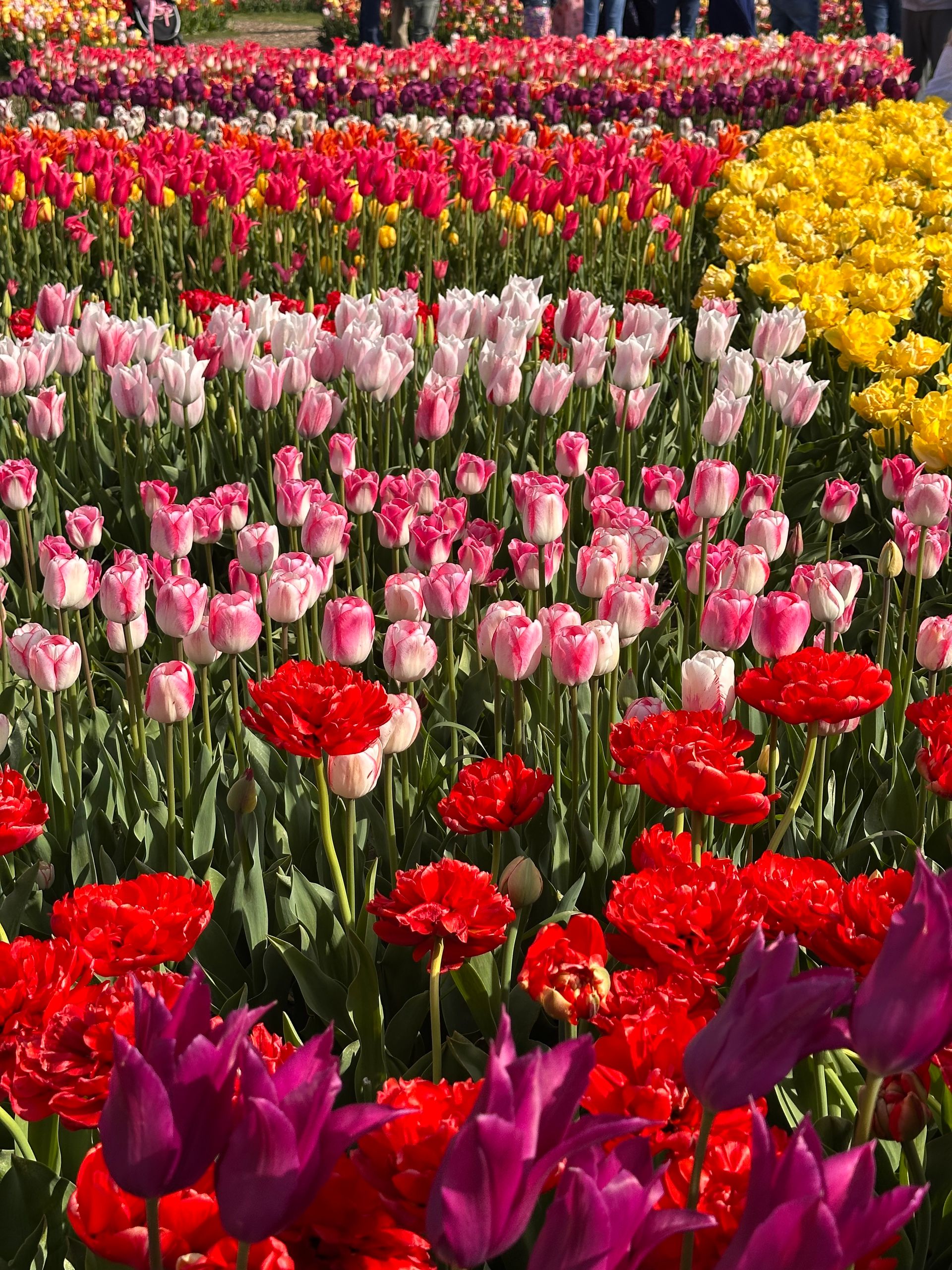
Beyond crocus, fall bulb planting overall remains a beloved autumn ritual for gardeners chasing a spectacular spring. According to seed and gardening retailer MIgardener, tucking bulbs into the garden in autumn is essentially an investment in next year’s spring display, rewarding gardeners with some of the season’s first blooms, plus fresh fragrance and vibrant color when little else is growing. The retailer’s fall bulb offerings include dependable spring classics like daffodils, tulips, hyacinths, alliums, and additional crocus varieties, all of which return and multiply year after year once established.
Related: 10 Best Plants for Rain Gardens to Combat Runoff and Erosion
Garlic Is Having a Moment, and Timing Is Everything
Ask any experienced vegetable gardener when to plant garlic, and you’ll get the same answer almost every time: fall, not spring.
According to Old World Garden Farms, a gardening resource that has planted garlic every autumn for more than 16 years, the biggest secret to growing great garlic is planting it in the fall rather than waiting for spring. The site notes that garlic is one of the easiest crops to grow, naturally repels most pests, and requires little maintenance once established, especially when planted during the right fall window.
Local growing conditions matter, though. According to the Wilmington News Journal, garlic performs best when it’s planted between mid-October and the end of November, since planting too early can lead to excessive fall growth that becomes vulnerable to freeze damage. The outlet notes that garlic prefers soil with a pH between 6.0 and 7.0 and requires a fair amount of nutrients to develop properly sized bulbs.
That fall planting window isn’t just a regional quirk. According to the University of Kentucky Cooperative Extension Service, gardeners plant garlic in autumn because the crop needs cool temperatures and shorter day lengths to develop its leaves properly. Once the weather warms and daylight hours increase the following spring, leaf growth naturally slows, and the bulb itself begins to form. The extension office also notes that garlic planted in fall consistently produces a larger crop than garlic planted in spring, which helps explain why so many home gardeners treat autumn garlic planting as a non-negotiable part of their yearly routine.
For anyone growing garlic themselves, general planting guidance is consistent across sources: plant cloves with the pointed end facing up, spaced several inches apart, and cover them with a generous layer of mulch to protect them through the winter months ahead.
Sedum and Statement Roses Are Rounding Out Fall Gardens
Rounding out this year’s fall lineup are two very different plants that are both earning fresh enthusiasm: sedum and a new wave of rose cultivars.
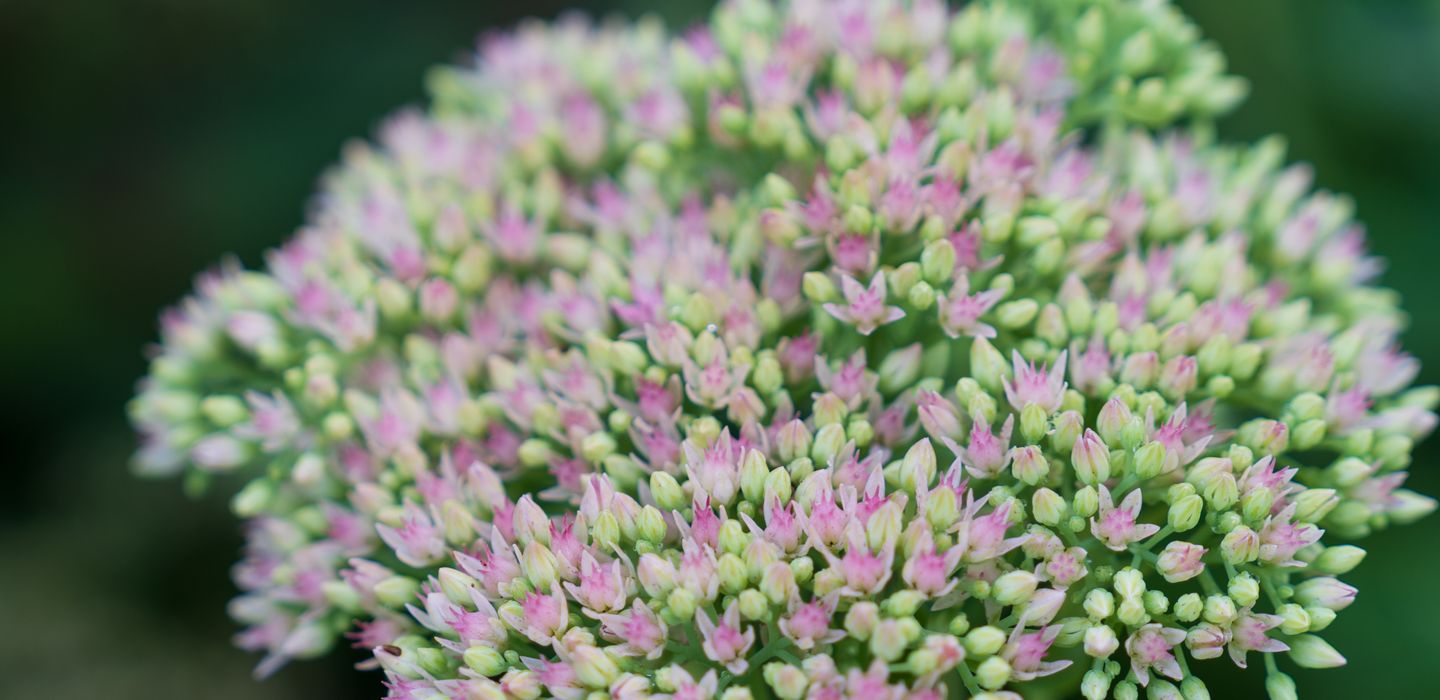
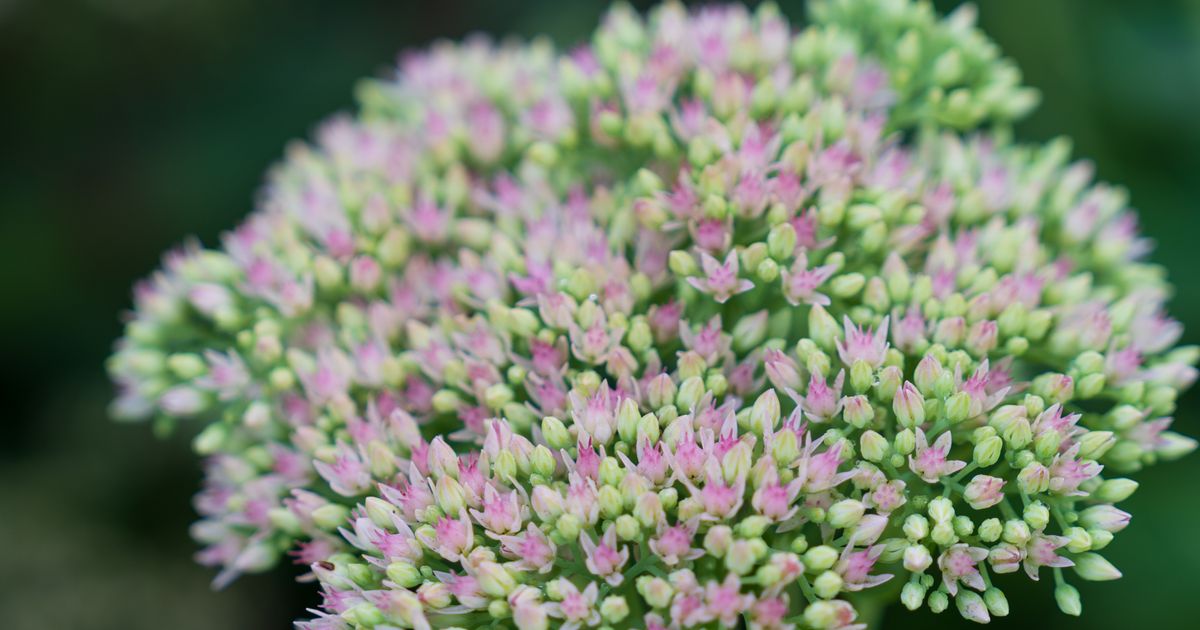
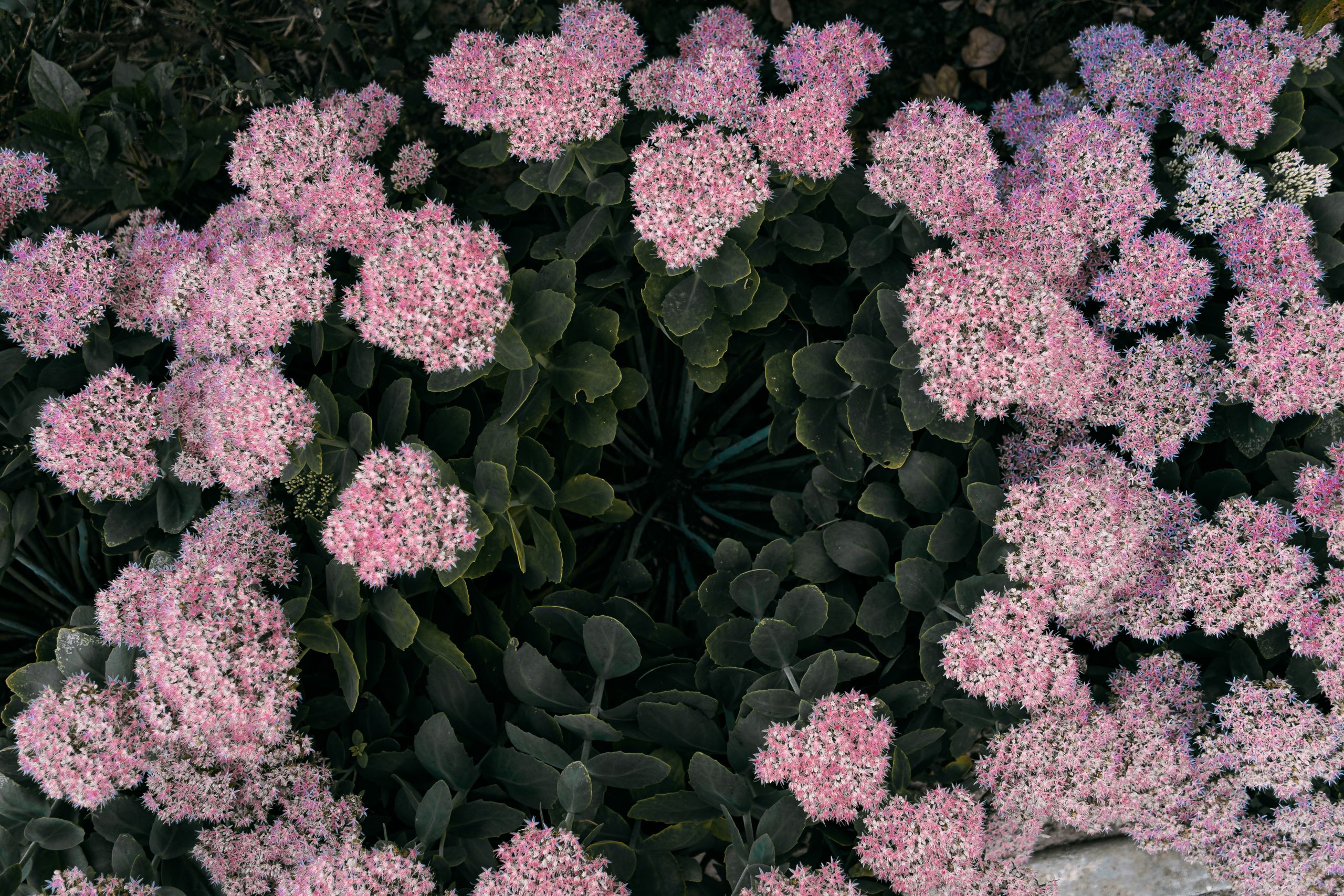
Sedum, the drought-tolerant succulent perennial also known as stonecrop, was named the National Garden Bureau’s featured perennial for 2026 as part of the same “Year of the” program that spotlighted crocus. According to the Columbia Star’s coverage of the announcement, sedum is prized for its durability and drought tolerance, and the popular variety Sedum ‘Autumn Joy’ is a favorite among gardeners building pollinator gardens and rock gardens alike. Depending on the species, sedum can be grown as a houseplant, groundcover, or landscape perennial, giving it unusual versatility for a single plant category.
Roses, meanwhile, are having something of a renaissance heading into fall planting season. According to House Digest, whose coverage draws on observations from designers and displays at the United Kingdom’s Royal Chelsea Flower Show, several new rose cultivars debuted in 2025 that are expected to influence garden trends well into 2026. Among them is ‘Catherine’s Rose,’ described as a coral standard rose, and the ‘King’s Rose,’ a cerise and white striped shrub rose.
Katy Willis, a master gardener who specializes in permaculture, described the broader shift driving interest in plants like these. “As a master gardener who specializes in permaculture and prefers my garden spaces to look natural and organic, I’m excited by the move back to softness, sympathy toward the climate and wildlife, and attention to working with nature instead of against her,” Willis wrote for House Digest.
Willis also cautioned gardeners against chasing trends purely for fashion’s sake. “Don’t jump on these trends just because they’re becoming fashionable,” Willis wrote. “Take a look at what’s going to be big for 2026 and choose those elements that match your taste, soil, hardiness zone, and what you’ve already got in your garden.”
That advice resonates with the current mood among gardeners overall. Rather than chasing novelty for its own sake, this fall’s most talked-about plants, from spice-producing crocus to hardy garlic to drought-tolerant sedum, all share a common thread: they reward patience, reliably perform season after season, and give gardeners something genuinely satisfying to look forward to once the weather warms back up.
Other Post You Might Like
- 17 Rapid Growth Shrubs to Transform Your Yard into a Lush, Private Oasis
- 7 Everyday Appliances That Are Silently Increasing Your Water Costs
- 10 Best Plants for Rain Gardens to Combat Runoff and Erosion
- 13 Small Mudroom Ideas that Maximize Style and Function
If you like what you just read, then subscribe to our newsletter and follow us on social media


