

This article was originally published on Crafting Your Home. A human contributor also wrote and edited the post.
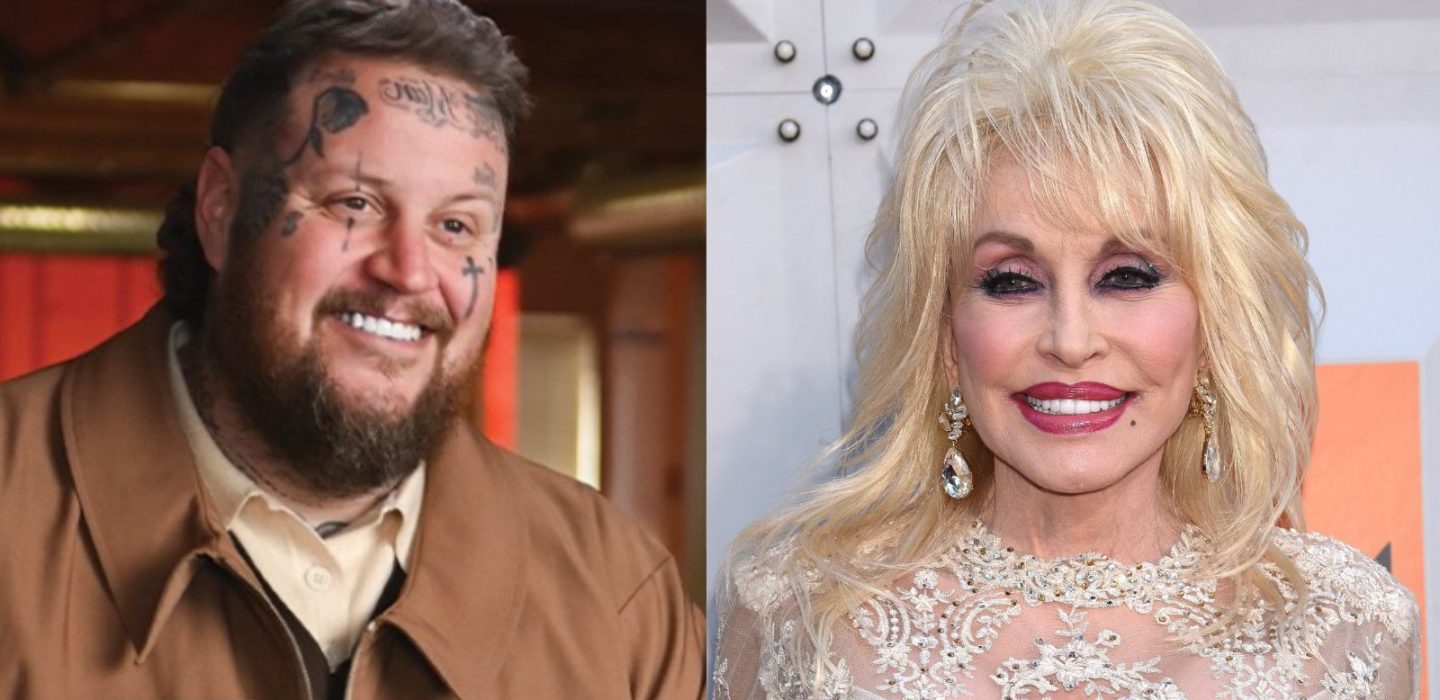
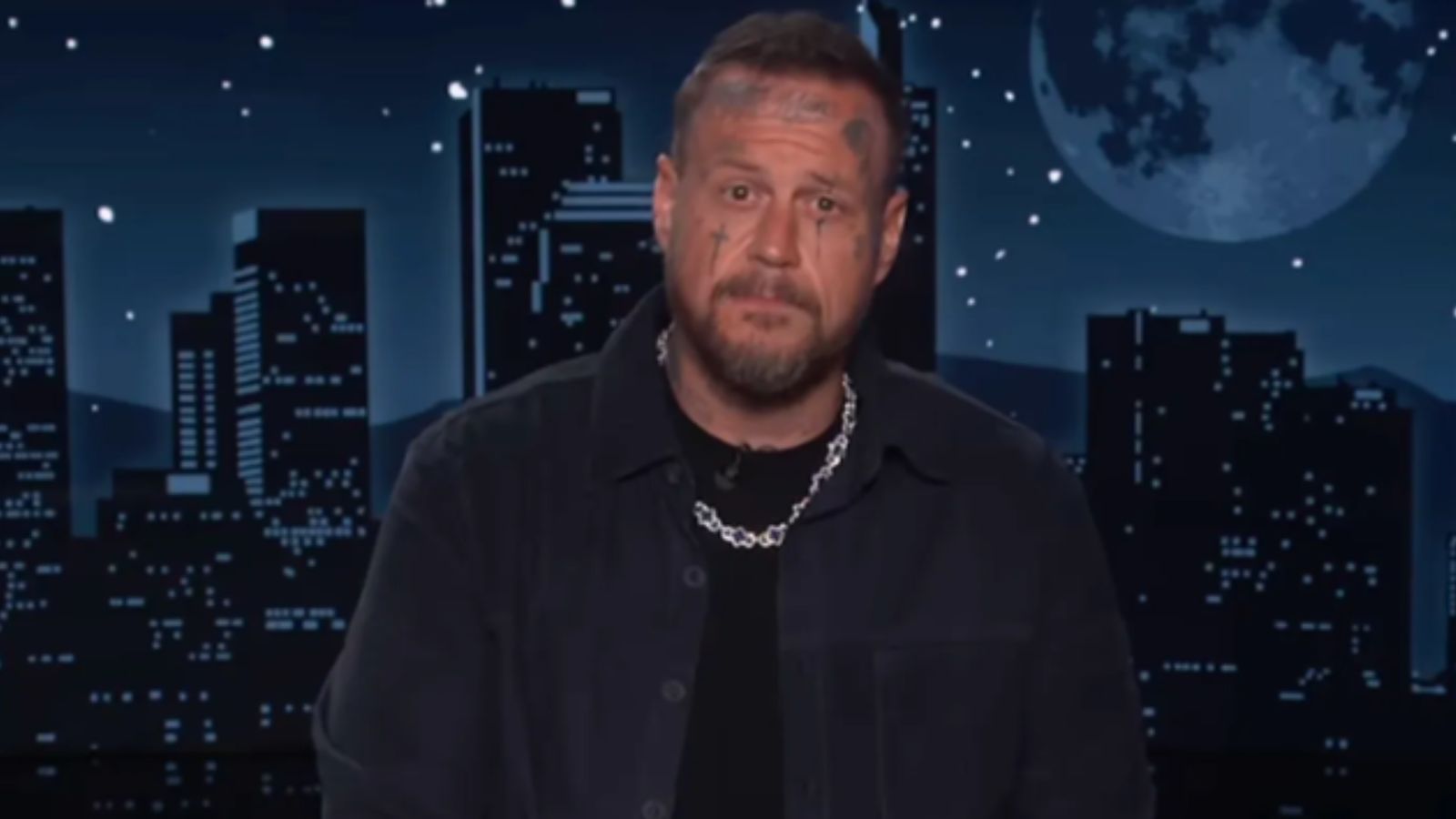
Jelly Roll was in the middle of his second night guest-hosting “Jimmy Kimmel Live!” on Tuesday, August 25, when he set aside the comedy that had defined his monologue the night before and turned to something heavier.
Parton had died earlier that day at age 80, and Jelly Roll told the audience he needed to address what he called the big story on everyone’s heart and mind.
What followed was not a polished celebrity statement but something closer to a personal eulogy, delivered live on network television by a fellow Tennessean who made clear that Parton’s death had reached him far beyond the usual scope of celebrity grief.
Jelly Roll opened by telling the crowd that the world had lost a legend, calling Parton an inspiration to so many, himself included.
He explained that the connection ran deeper than professional admiration, noting that he and Parton were both from Tennessee and that her music had been a constant presence in his childhood home.
He described sitting around the kitchen table with his family listening to her records, a memory he said he would never forget.
That detail mattered because it framed Parton not as a distant industry legend but as someone whose music had shaped his family life long before he ever had a career of his own to speak of.
A Tribute Rooted in Personal Debt, Not Just Admiration
What set Jelly Roll’s tribute apart from many of the celebrity statements circulating that day was the specificity of what he said he owed her.
He told the Kimmel audience that he had learned an enormous amount from Parton over the years, citing songwriting craft, how to handle the unpredictable nature of the music business, and how to genuinely support the community around him.
He then sent his love directly to East Tennessee and Sevier County, the region where Parton was born and raised, a gesture that tied his tribute back to the specific place that shaped both of their lives and careers.
Jelly Roll’s connection to Parton was not new or manufactured for the moment. He had spoken about her influence publicly before, including in a 2023 social media post in which he described growing up in Tennessee with Parton occupying a place in his world somewhere alongside Jesus, Lynyrd Skynyrd, and college football.
That same post described the kitchen-table memory he repeated on Kimmel, suggesting the tribute was not a hastily written talking point but a reflection he carried and returned to over several years.
Having the opportunity to later meet Parton and express his gratitude in person was something he had previously called a blessing, a sentiment that added weight to how personally he processed the news of her death.
Near the end of the tribute, Jelly Roll delivered the line that would define the moment across nearly every outlet covering it. He told the audience that Parton was infinitely talented, relentlessly funny, and adored by all, then added that she might be the last American everyone liked.
He closed the tribute by telling Parton directly that he and the audience would miss her dearly, wishing her rest in peace and echoing the title of one of her most famous songs by telling her they would always love her.
Why “The Last American Everyone Liked” Resonated So Widely
That single line, describing Parton as possibly the last American that everyone liked, spread rapidly across entertainment coverage in the hours after the broadcast, appearing in headlines from Rolling Stone, Billboard, TMZ, and multiple other outlets.
Part of what made the phrase resonate was how directly it captured something that had already been observed elsewhere in the wake of Parton’s death.
Reuters had reported that fans and public figures across dramatically different political and cultural backgrounds were mourning her in remarkably similar terms, repeatedly describing her as someone capable of connecting with people regardless of where they stood politically, generationally, or geographically.
Jelly Roll’s line effectively distilled that broader observation into a single, simple sentence, and its bluntness seemed to be exactly why it landed.
Rather than reaching for elaborate praise, he pointed at something almost uncomfortably true: that genuinely universal likability had become rare enough in American public life that Parton’s passing might mark the end of it in any recognizable form.
That kind of statement carries particular weight coming from an artist like Jelly Roll, whose own career has been built partly on discussing division, hardship, and the difficulty of common ground, making his framing of Parton as a rare unifying figure feel earned rather than performative.
The tribute also arrived at a moment when late-night television itself has increasingly become a stage for pointed political commentary, including from Jelly Roll himself, who had used his monologue the previous night to take aim at President Donald Trump.
By stepping away from that tone entirely to mourn Parton, and doing so with visible emotion rather than his usual comedic delivery, he underscored how differently he treated this moment than the rest of his guest-hosting run.
Several outlets specifically noted that he appeared to be fighting back tears as he spoke, a detail that reinforced how personal the loss felt to him rather than how it might read as a professional obligation.
From Mourning to Mischief, in Keeping With Dolly’s Own Philosophy
Rather than letting the broadcast stay in that somber register, Jelly Roll deliberately shifted the mood, and he explained exactly why.
He told the audience he wanted to honor one of Parton’s own philosophies, quoting her as having once said that if you see someone without a smile today, you should give them yours.
Taking that idea seriously, he told viewers he intended to try to put a smile on their faces by doing something he described as extremely stupid, which turned out to be the second annual Jelly Awards, a comedic segment that culminated in an appearance by a character called Chewy the Meth Raccoon.
The tonal whiplash was intentional rather than careless, and multiple outlets covering the segment framed it not as a disrespectful pivot but as a fitting one.
Parton spent decades building a public identity around that exact combination: extraordinary talent paired with a refusal to take herself too seriously, all in service of making people feel better.
Jelly Roll’s decision to mourn her sincerely and then immediately lean into absurdity mirrored that same instinct, using humor not to avoid grief but to honor a value Parton had spent her career practicing.
That same theme, kindness and generosity outweighing even the music itself, had already begun surfacing repeatedly across tributes from people who worked with Parton directly.
One of her final collaborators, the group Belles, shared advice Parton had personally given her before her death, part of a growing pattern in tributes that kept circling back not just to Parton’s songwriting but to how she made the people around her feel.
Jelly Roll’s tribute fit neatly into that same throughline, offering both a personal goodbye and a live demonstration of the exact quality so many people were already saying they would miss the most.
Other Posts You Might Like
- Dolly Parton, Country Music’s Beloved Queen, Dies at 80 After Brief Cancer Battle
- Taylor Swift Calls Dolly Parton “True Grace and True Grit” in Emotional Tribute
- Dolly Parton Beat Weather and Sports Scores to Become the World’s Most-Googled Person the Day She Died
If you like what you just read, then subscribe to our newsletter and follow us on social media.


