


A beautiful garden can sometimes create the perfect environment for ants without homeowners realizing it. Certain plants attract insects that produce sweet substances ants love, turning a peaceful backyard into an unexpected food source.
Ants are not always drawn to gardens because of the plants themselves. In many cases, they are attracted by what lives on those plants.
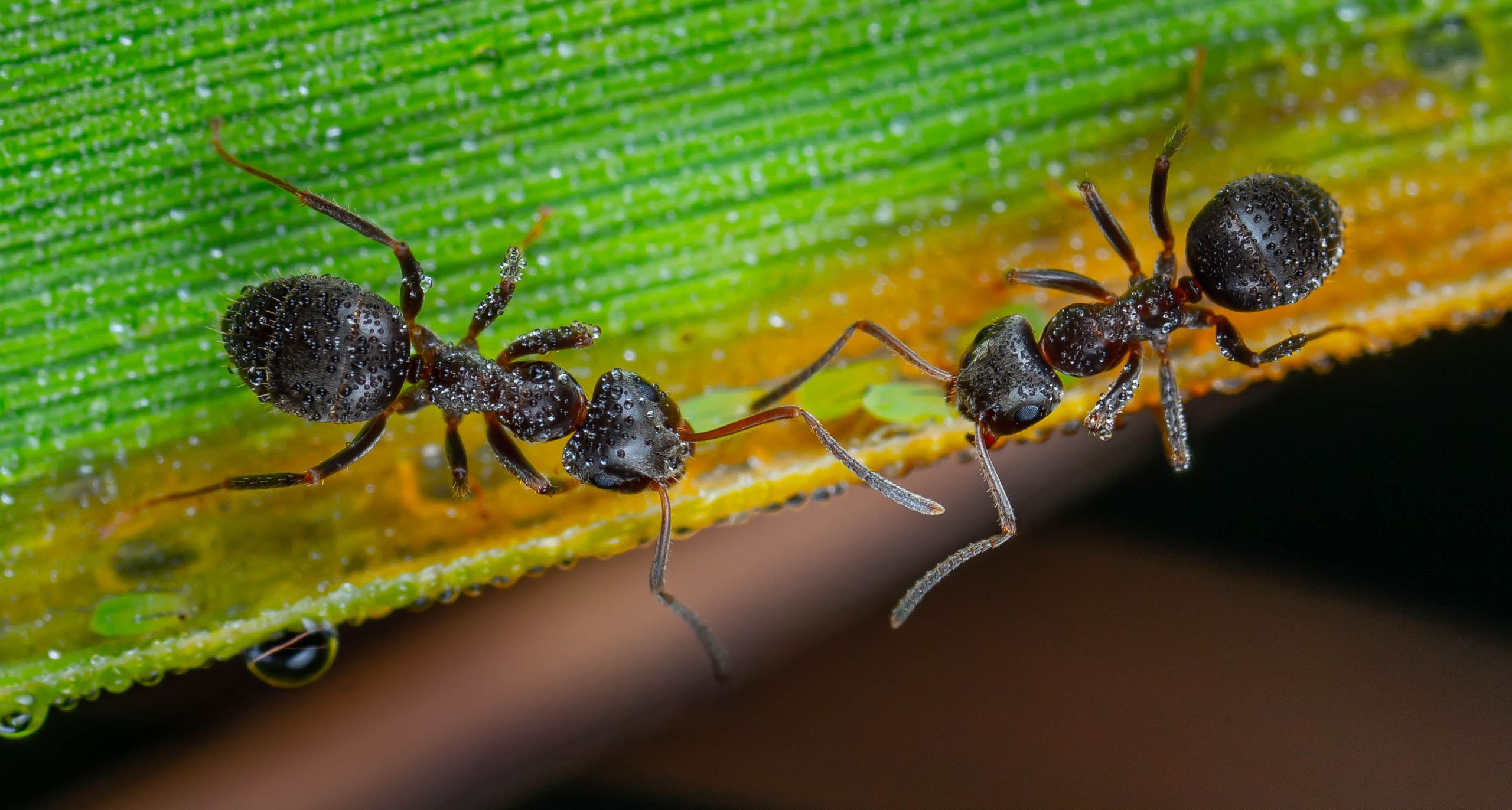
Some garden plants encourage aphids, scale insects, and other sap-feeding pests that release a sugary substance called honeydew. Ants collect this sweet liquid and often protect the insects producing it, creating a cycle that can make infestations harder to control.
According to the University of California’s Integrated Pest Management Program, ants often “farm” honeydew-producing insects by moving them to new plants and protecting them from predators.
Understanding which plants can contribute to ant activity can help gardeners make smarter choices and spot problems earlier.
Plants That Can Attract Ants Through Hidden Insect Activity
Peonies
Peonies are beloved for their large, colorful flowers, but they also attract ants.
The relationship between peonies and ants is often misunderstood.
Peony buds produce a sweet substance called extrafloral nectar, which attracts ants. The ants usually don’t harm the plant. Instead, they are collecting the sugary liquid.
However, peonies can also attract aphids, which create another food source for ants.
When aphids appear, ants may protect them from natural predators such as ladybugs because the ants want continued access to honeydew.
Gardeners who notice heavy ant activity around peonies should inspect the plants for tiny insects underneath leaves and along stems.
Roses
Roses are a garden favorite, but they can also become attractive sites for pests that attract ants.
Aphids are especially common on roses. These small insects feed on plant sap and produce honeydew, which ants collect.
Ants may climb rose stems to reach aphid colonies and sometimes interfere with beneficial insects that naturally control aphids.
Healthy roses usually resist pest problems better, so proper watering, pruning, and airflow can help reduce issues.
Regular inspections can also catch aphids before ant populations become established.
Fruit trees
Fruit trees such as apple, peach, and citrus trees can attract ants for several reasons.
Overripe fruit provides a direct food source, but insects living on the trees can also create problems.
Scale insects and aphids commonly feed on fruit trees and produce honeydew.
The University of California Agriculture and Natural Resources notes that ants can disrupt biological pest control by protecting honeydew-producing insects from beneficial predators.
Keeping fallen fruit cleaned up and monitoring branches for pests can reduce the attraction.
Related: 4 Best Types of Lettuce to Grow in Your Garden for Optimal Harvest
Popular Garden Plants That Can Create Ant-Friendly Conditions
Cherry laurel and other dense shrubs
Dense shrubs provide ants with shelter and protection.
Plants with thick foliage can create cool, hidden spaces where ants build colonies or travel safely between food sources.
Shrubs can also hide pest populations, making it easier for aphids and other insects to multiply unnoticed.
Regular trimming and checking underneath leaves can help homeowners identify problems early.
Crape myrtle
Crape myrtles are popular because of their beautiful summer flowers and attractive bark.
However, these trees can be infested with insects such as aphids and scale.
When these pests appear, ants may follow because of the honeydew they produce.
A sticky coating on leaves, black sooty mold, or large numbers of ants climbing branches can signal another insect problem.
Vegetable plants
Many vegetable gardens can indirectly attract ants.
Plants such as tomatoes, peppers, beans, and leafy greens can attract aphids and other soft-bodied insects.
Ants may appear because they seek honeydew rather than feeding on the vegetables themselves.
Gardeners should regularly check the underside of leaves because many pests hide there.
Encouraging beneficial insects, such as ladybugs and lacewings, can help maintain a healthier garden ecosystem.
Related: 7 Garden Pests That Are Eating Your Plants—and How to Stop Them
Plants and Garden Habits That May Encourage More Ant Activity
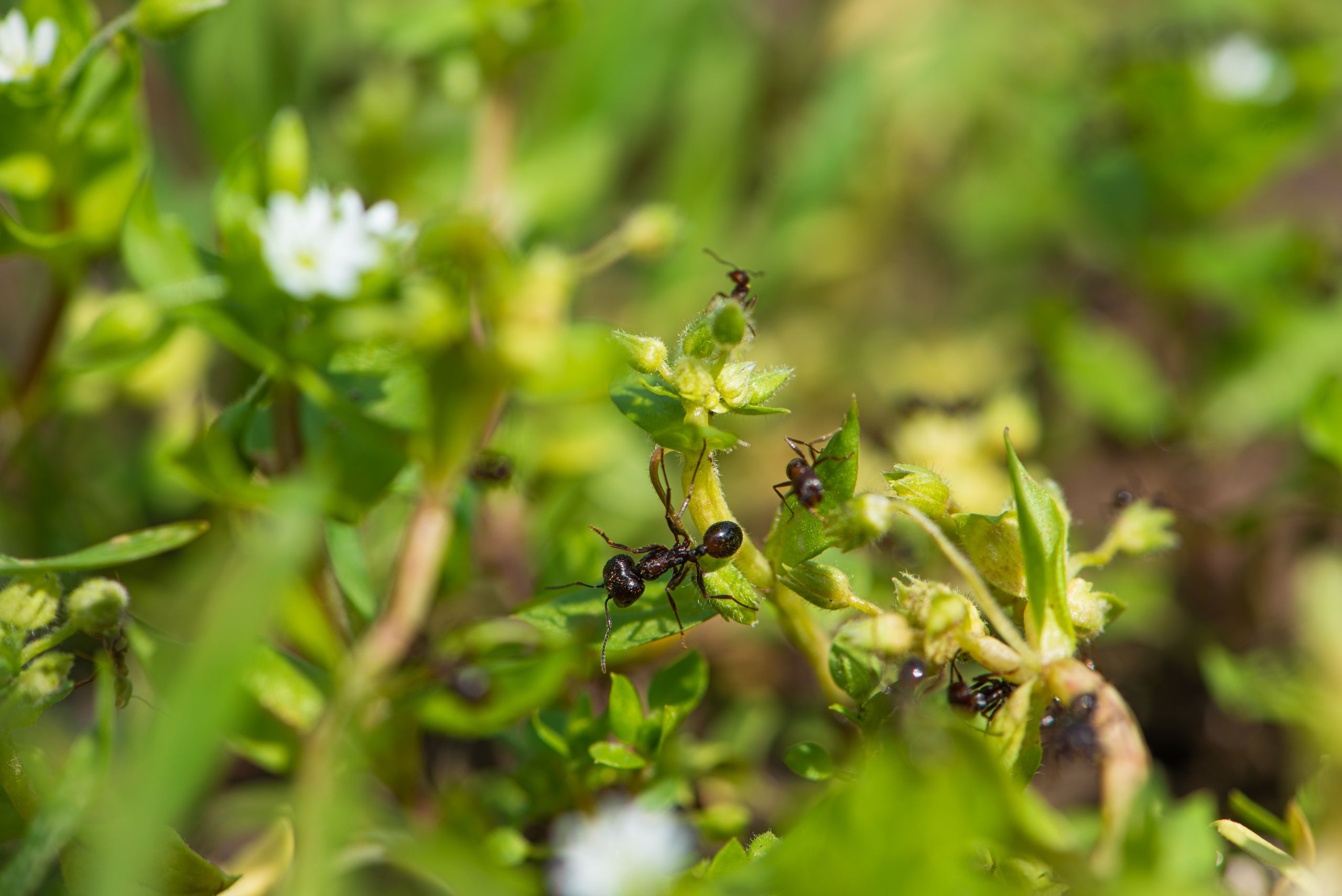
Sweet-smelling flowering plants
Flowers with strong nectar production can attract many insects.
While attracting pollinators is usually a good thing, gardens with heavy insect activity can also attract ants.
Plants that produce sugary secretions may increase ant traffic, especially when other food sources are available nearby.
The goal is not to remove every flowering plant but to maintain balance.
Ground covers that spread quickly.
Fast-growing ground covers can create moisture and hiding areas where ants thrive.
Dense plant growth can make nests and pest problems harder to spot.
Keeping ground covers maintained and avoiding excessive moisture around plants can make gardens less appealing to ants.
Plants near outdoor structures
Even plants that do not directly attract ants can become a bridge into homes when placed too close to buildings.
Branches touching walls, fences, or windows can provide ants with easy access.
The University of Minnesota Extension recommends maintaining a gap between vegetation and structures to reduce pest pathways.
Related: How to Make an Adorable Well for Your Fairy Garden: Step-by-Step Guide
How to Keep Ants from Taking Over Your Garden
A garden does not need to become plant-free to avoid ants.
The most effective approach is usually prevention.
Gardeners can:
- Inspect plants regularly for aphids and scale insects.
- Remove fallen fruit and plant debris.
- Encourage beneficial insects
- Avoid overwatering areas where ants build nests.
- Trim plants away from buildings.
- Keep plants healthy through proper care.
Ants are part of the natural environment and often play useful roles, such as helping break down organic material and improving soil movement.
The problem begins when their populations become excessive or when they start protecting plant-damaging insects.
A healthy garden is not one without insects.
It is one where the ecosystem remains balanced.
By understanding which plants may indirectly attract ants, homeowners can enjoy beautiful landscapes without accidentally creating an all-you-can-eat buffet for unwanted visitors.
Other Post You Might Like
- 5 Plants to Effectively Repel Ticks and Keep Your Yard Safe
- 10 Best Plants for Rain Gardens to Combat Runoff and Erosion
- 5 DIY Vertical Gardens for Better Herbs
The Post Garden Plants That Could Be Making Your Ant Problem Worse first appeared on Crafting Your Home
If you like what you just read, then subscribe to our newsletter and follow us on social media.


