


Owning a home has a strange way of turning ordinary people into enthusiastic shoppers. Suddenly, something always needs upgrading, protecting, decorating, organizing, or replacing. A trip to the hardware store for one lightbulb somehow ends with a cart full of gadgets, cleaning products, lawn accessories, and “must-have” home improvements.
The problem is not that homeowners should never spend money on their properties. Smart upgrades can improve comfort, reduce maintenance costs, and even increase a home’s value. The trouble begins when clever marketing, temporary trends, or the belief that expensive automatically means better drive purchases.
Some household products deliver far less value than their price tags suggest. Others solve problems that barely exist. Before opening the wallet again, homeowners may want to think twice about these eight common money drains.
Expensive Extended Warranties
That shiny new refrigerator, washing machine, or television already feels expensive enough, yet at checkout, homeowners are often encouraged to spend even more on an extended warranty. The sales pitch sounds comforting. Pay a little extra now, and expensive repairs supposedly become someone else’s problem later.
Unfortunately, many homeowners pay for warranties they never use. Some products already include manufacturer coverage, while certain credit cards may provide additional purchase protection. Warranty agreements can also include exclusions, service fees, limits, and complicated claim requirements.
Instead of automatically buying extra coverage for every appliance, homeowners may be better off putting that money into a household repair fund. If you skip several warranties over the years, those savings can become a useful cushion when something actually breaks.
Trendy Home Décor That Quickly Looks Dated
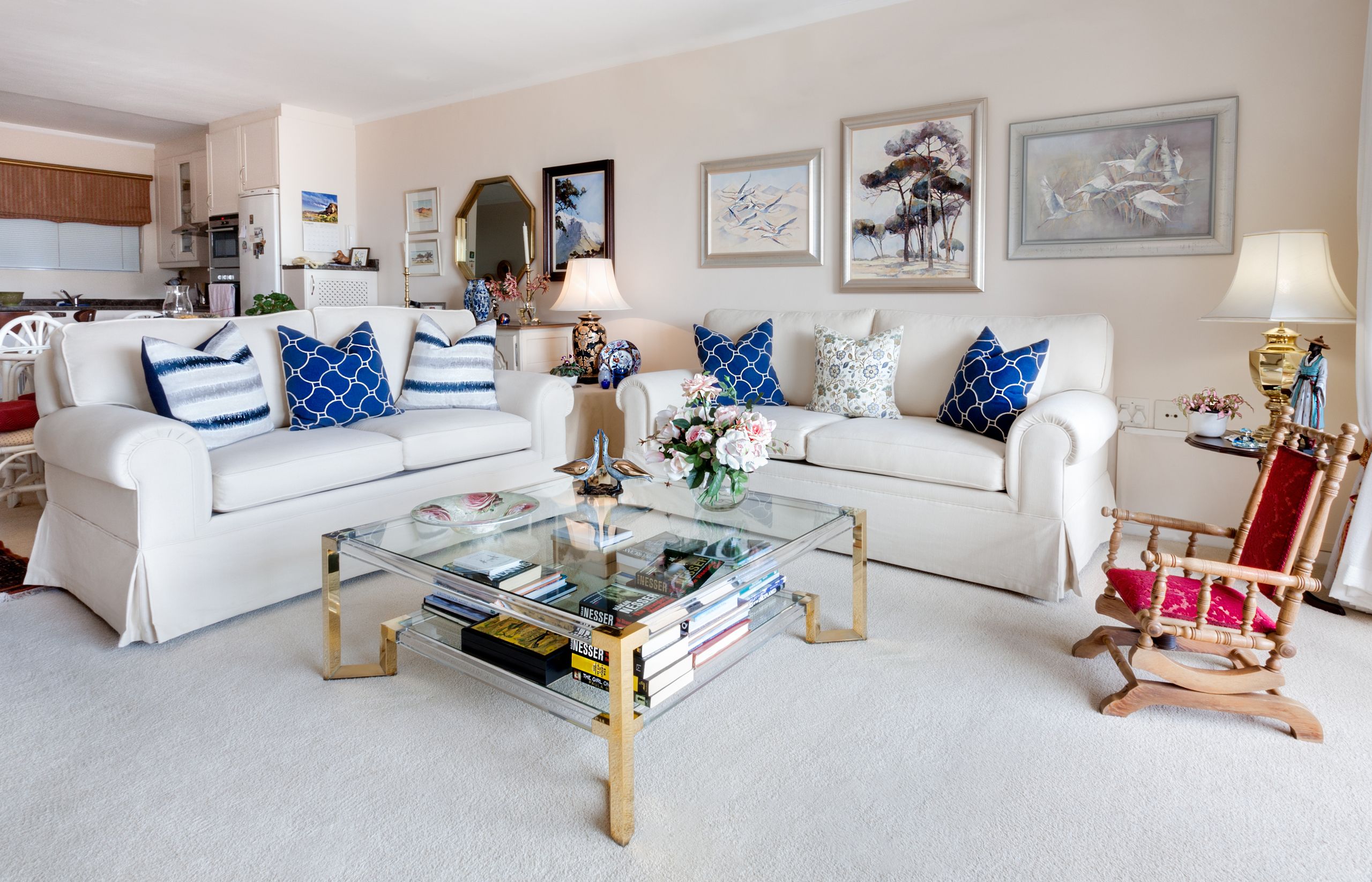
Home décor trends move remarkably fast. One year, every stylish living room seems to need oversized clocks, gray everything, farmhouse signs, or matching geometric accessories. Soon afterward, the same pieces begin appearing in clearance aisles and donation bins.
The problem with heavily trend-driven decorating is not simply taste. It is repetition. Homeowners can spend hundreds or even thousands of dollars refreshing rooms whenever social media decides that yesterday’s fashionable look is suddenly outdated.
Timeless pieces usually stretch a decorating budget further. Natural materials, neutral furniture, meaningful artwork, quality lighting, and personal objects can survive multiple design cycles.
A home does not need to look like the latest furniture catalog to feel beautiful. In fact, rooms often become more interesting when they reflect the people living there rather than whatever is trending online.
Single-Purpose Kitchen Gadgets
Kitchen stores are full of products designed to perform remarkably specific jobs. Avocado slicers, banana cutters, egg separators, electric quesadilla makers, miniature pancake machines, specialized vegetable choppers, and gadgets that promise to save several seconds on tasks a knife can handle just as well are everywhere.
One inexpensive gadget may not seem like a financial disaster. The problem appears when drawers and cabinets become crowded with twenty or thirty of them. Homeowners often discover that these devices take longer to clean than the time they supposedly save. Many eventually disappear into the back of a cabinet after being used twice.
A good chef’s knife, cutting board, saucepan, skillet, blender, and several versatile utensils can handle most everyday cooking. In the kitchen, multifunctional tools usually offer better value than countertops full of one-trick machines.
Related:designers-say-these-once-trendy-kitchen-styles-no-longer-feel-fresh-in-2026
Premium Cleaning Products for Every Surface

Walk through the cleaning aisle of almost any major store, and it can seem as though every square foot of a house requires its own chemical formula. Separate cleaners exist for ovens, stainless steel, bathrooms, glass, granite, hardwood floors, tile, showers, kitchen grease, microwaves, and countless other surfaces.
Some specialized products are genuinely useful, particularly when certain materials require specific care. But many households accumulate far more cleaning products than they actually need.
A small collection of appropriate multipurpose products can often tackle most routine cleaning jobs. Homeowners should always follow manufacturer recommendations for sensitive materials, but buying a different expensive spray for every object in the house can turn cleaning cabinets into miniature retail stores. The irony is painful: homeowners often spend money organizing cleaning products they never needed in the first place.
Decorative Lawn Products That Create More Work
Many homeowners spend surprising amounts of money trying to create picture-perfect lawns. They purchase elaborate edging systems, decorative stones, excessive ornaments, complicated irrigation accessories, specialty fertilizers, unnecessary landscaping gadgets, and plants that are completely unsuited to their local conditions.
Then comes the second expense: maintaining everything. More decorative landscaping can mean more pruning, watering, fertilizing, repairing, replacing, and weekend labor. A simpler yard designed around climate-appropriate plants can often be easier and cheaper to maintain.
Thoughtful landscaping can still look attractive without becoming another part-time job. Before buying another outdoor feature, homeowners should ask a simple question: Will this make the yard more enjoyable, or will it simply give me another thing to maintain?
Cheap Furniture That Has to Be Replaced Constantly

The cheapest furniture isn’t always the least expensive. A bargain sofa may look fantastic when it first arrives. Then the cushions collapse, the frame starts squeaking, the fabric pills, and suddenly you’re buying another sofa three years later.
The same problem can happen with dining chairs, bed frames, outdoor furniture, bookshelves, and inexpensive cabinets. Homeowners do not need luxury designer furniture throughout the house. However, heavily used items are often worth evaluating based on durability rather than price alone.
A well-built dining table that survives fifteen years can ultimately cost less than replacing a flimsy one every few years. The smartest bargain is not necessarily the product with the lowest sticker price. It is often the product with the lowest cost over its entire useful life.
The Latest Smart-Home Gadget Just Because It Exists
Technology companies have discovered that almost anything can become “smart” if someone adds Wi-Fi. Homeowners can now buy connected lightbulbs, refrigerators, doorbells, plugs, speakers, thermostats, locks, curtains, vacuums, appliances, and countless other devices.
Some smart-home products are genuinely useful. A well-programmed thermostat, for example, may offer convenience and help households manage energy use more efficiently. But purchasing technology simply because it is new can become an expensive habit.
Smart devices may require subscriptions, replacement batteries, compatible hubs, software updates, or eventually complete replacement when manufacturers stop supporting older products.
Before buying another connected gadget, homeowners should decide whether it solves a real problem. If the main benefit is turning something on from a smartphone while standing ten feet away, the old-fashioned version may be perfectly adequate.
Storage Containers for Things They Should Have Thrown Away
This may be the most ironic home purchase of them all. As a house becomes cluttered, homeowners buy containers. When those containers fill up, they buy shelving units. Then they purchase baskets to organize the shelves, labels to organize the baskets, and perhaps an entire closet system to organize everything they never use.
Organization products can be extremely useful, but they can also disguise a clutter problem. Before buying another storage bin, homeowners should examine what they are storing.
Broken electronics, clothes that no longer fit, duplicate kitchenware, unused décor, obsolete cables, and forgotten hobby supplies may not deserve permanent square footage. Sometimes the cheapest storage solution is simply owning fewer things.
Related: stop-buying-storage-bins-and-try-these-10-diy-organizer-ideas-instead
Spend Where the Home Actually Benefits
Homeownership will always involve expenses. Roofs fail, plumbing leaks, appliances eventually die, and rooms occasionally need updating. Spending money on a house is unavoidable. Wasting money on it is not.
The most valuable purchases usually solve real problems, improve everyday comfort, reduce future expenses, or last long enough to justify their cost. Everything else deserves a second look
Before another impulse purchase makes its way from a store shelf to the garage, kitchen, closet, or living room, homeowners may want to ask three questions: Do I genuinely need this? Will I still use it next year? Is there already something in my house that does the same job?
Those few seconds of hesitation could save far more money than the latest “home essential” ever will.
Other Posts You Might Like
- 8 brutal-reasons-homeownership-no-longer-feels-like-freedom-to-some-americans
- 10 things-homeowners-are-quietly-giving-up-because-owning-a-house-costs-too-much
- chilling-finds-that-shocked-homeowners-during-renovations
The post 8 Things Homeowners Keep Buying That Are a Waste of Money first appeared on Crafting Your Home.
If you like what you just read, then subscribe to our newsletter and follow us on social media.


