


This article was originally published on Crafting Your Home. A human contributor also wrote and edited the post.
Kitchen design trends can change quickly. A style that once appeared in every renovation magazine can suddenly feel outdated as homeowners and designers move toward warmer, more personal, and more functional spaces.
For years, kitchens followed predictable trends: bright white cabinets, oversized islands, open shelving, and ultra-modern finishes dominated home renovations.
But in 2026, designers are noticing a shift.
Many homeowners are moving away from kitchens that feel too staged or overly designed and choosing spaces that feel more natural, comfortable, and connected to the rest of the home.
The goal is no longer just creating a kitchen that looks impressive.
It is about creating a kitchen that feels lived in.
The Kitchen Trends Designers Say Have Lost Their Spark
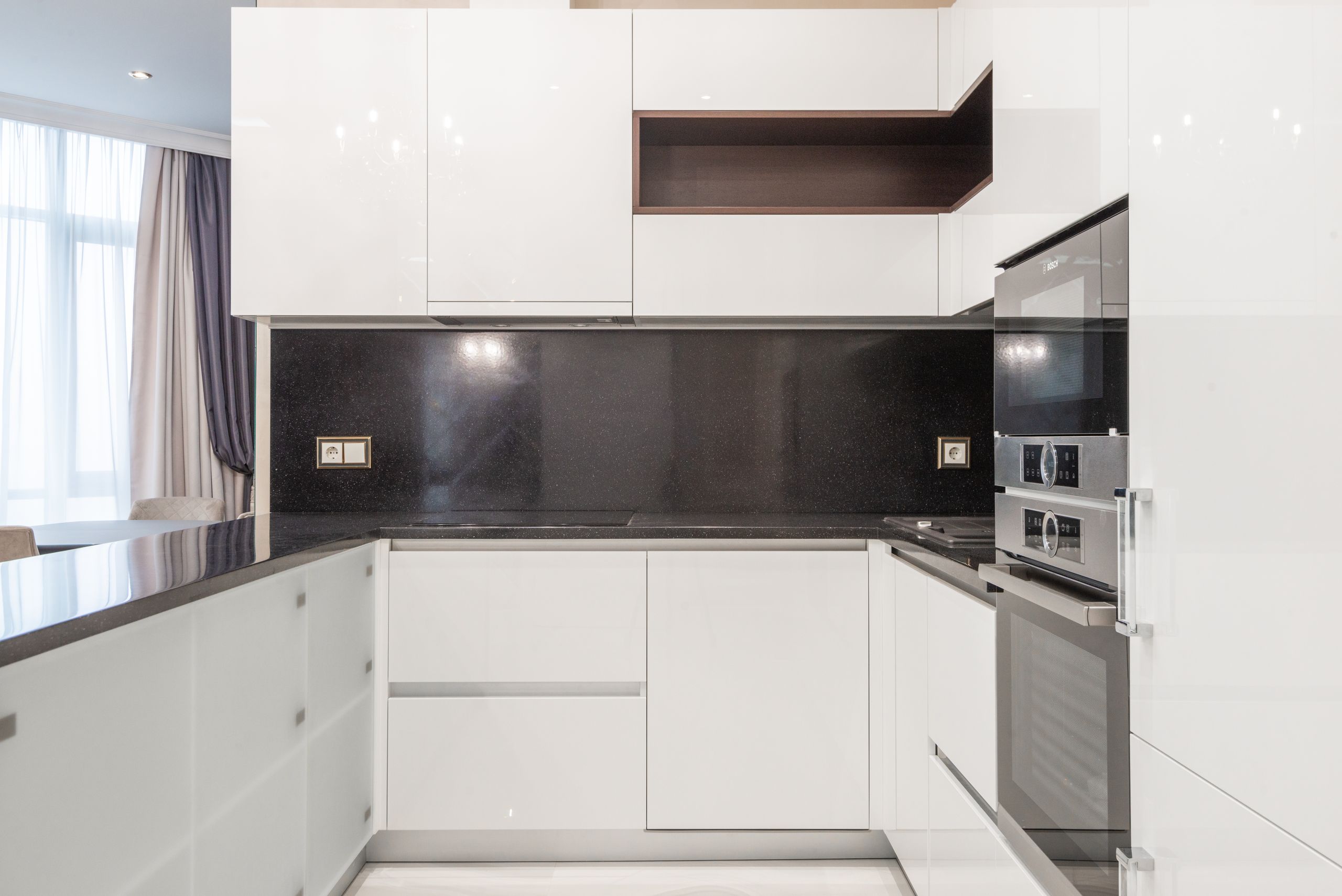
All-white kitchens with no personality
For years, the all-white kitchen was considered the ultimate symbol of modern elegance.
White cabinets, white countertops, white backsplashes, and white walls created a clean and bright appearance that dominated renovation projects.
However, designers say the style has started to feel predictable.
The problem is not white itself. A well-designed white kitchen can still look timeless.
The issue comes when every surface uses the same shade and the space lacks texture, warmth, or personality.
Many designers are now adding natural wood, stone, colorful cabinets, and decorative details to create kitchens that feel more welcoming.
Homeowners are increasingly looking for spaces that reflect their personality rather than kitchens that look like they came directly from a showroom.
Open shelving everywhere
Open shelving became popular because it created a lighter, more relaxed look.
The trend promised a chance to display beautiful dishes, glassware, plants, and decorative items.
But the reality was not always as effortless as it appeared.
Many homeowners discovered that open shelves require constant organization and cleaning.
Everyday kitchen items become visible, meaning clutter becomes part of the design.
Designers are not eliminating open shelving, but many are using it more strategically.
A small section of open shelving can add character, while a completely open kitchen can become difficult to maintain.
The newer approach focuses on balance: combining practical storage with a few areas designed for display.
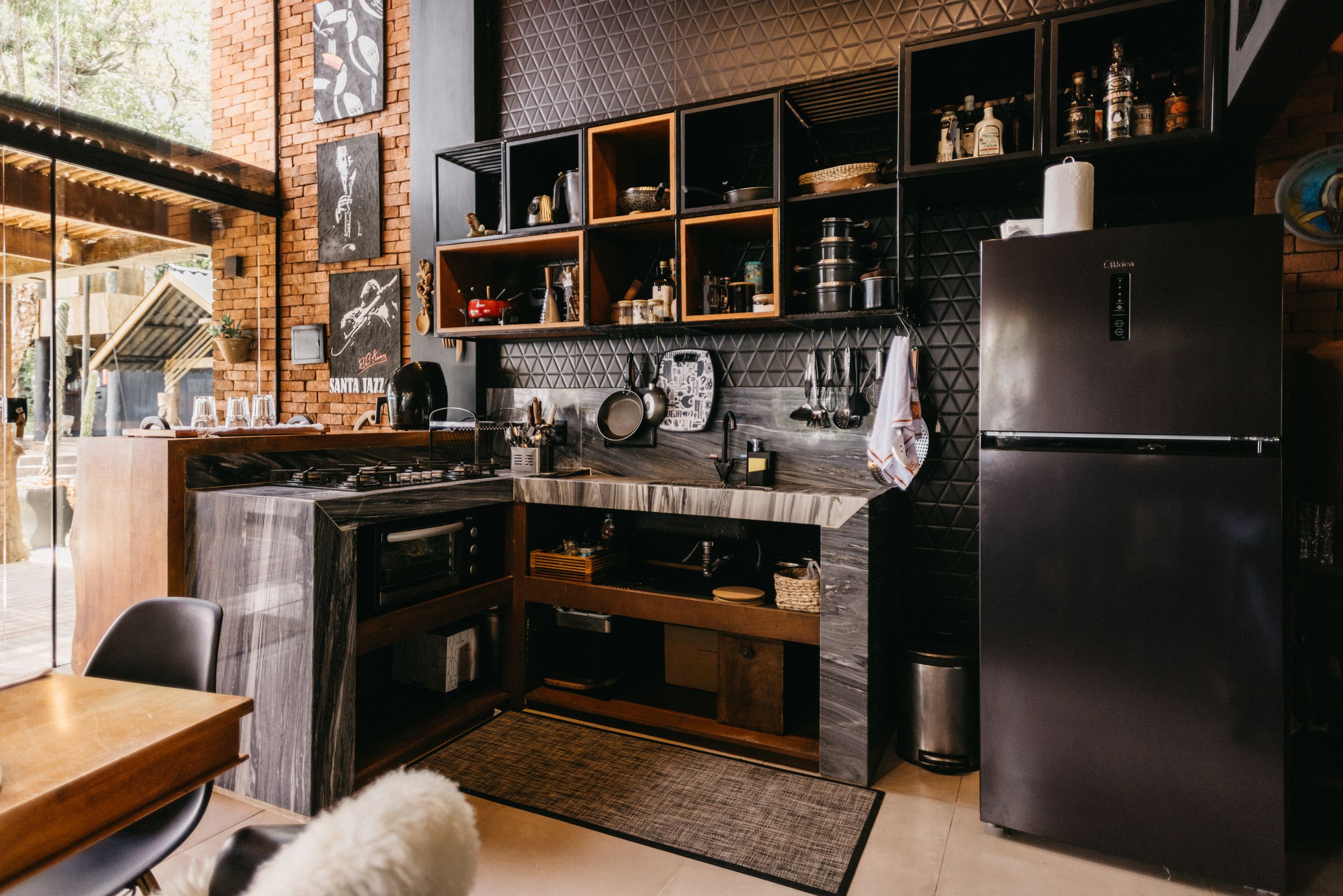
Overly industrial kitchens
Industrial-style kitchens had a major moment with exposed brick, metal finishes, concrete surfaces, and dark colors.
The style created a dramatic, urban feeling inspired by restaurants and converted loft spaces.
However, some designers believe the look has become less appealing in homes where comfort is the priority.
Many homeowners now want kitchens that feel softer and more connected to nature.
Warm woods, natural textures, and comfortable materials are replacing some of the colder industrial elements.
The modern preference is less “warehouse” and more “welcoming gathering space.”
Designers Are Moving Toward Warmer, More Personal Kitchens
Excessively large kitchen islands
Large islands became a symbol of luxury.
The bigger the island, the more impressive the kitchen seemed.
But designers are now questioning whether oversized islands always improve the way people use their homes.
A massive island can sometimes interrupt movement, overwhelm a room, or create unused space.
Instead, many designers are focusing on proportion.
A well-designed island should support cooking, conversation, and daily activities without dominating the entire kitchen.
The trend is shifting from “bigger is better” toward “better designed is better.”
Matching everything perfectly
Perfectly coordinated kitchens once represented high-end design.
Cabinets, countertops, hardware, lighting, and appliances were often selected to match exactly.
Today, many designers are embracing a more collected look.
Mixing materials and finishes can create a kitchen that feels like it developed naturally over time.
Different textures, vintage-inspired details, and contrasting elements can add depth.
The modern kitchen is becoming less about perfection and more about personality.
A space does not have to look untouched to look beautiful.
Trend-heavy statement designs
Some kitchens became popular because they followed bold trends.
Unique colors, dramatic backsplashes, unusual patterns, and fashionable finishes created eye-catching spaces.
The challenge is that some trends age quickly.
A kitchen renovation is a major investment, and many homeowners now prefer designs that can remain attractive for years.
Designers are increasingly recommending timeless foundations with smaller trend-based details that can be changed more easily.
A colorful appliance, artwork, lighting fixture, or decorative piece can bring personality without requiring a complete renovation later.
What Kitchen Designers Are Embracing Instead
While some older trends are losing popularity, designers are not moving toward boring kitchens.
The new direction focuses on comfort, function, and individuality.
Popular design ideas include:
- Natural materials such as wood and stone
- Warmer color palettes
- Built-in storage solutions
- Hidden appliances for a cleaner look
- Vintage-inspired details
- More comfortable seating areas
- Kitchens that blend with living spaces
The kitchen is becoming less like a formal display room and more like the heart of the home.
Designers are also paying more attention to how people actually use their kitchens.
Families want spaces where they can cook, Work, relax, entertain, and spend time together.
A beautiful kitchen is no longer just about appearance.
It is about creating an environment that supports everyday life.
The biggest design shift in 2026 is simple: homeowners are moving away from kitchens that look perfect and toward kitchens that feel authentic.
The future of kitchen design is not about chasing every new trend.
It is about creating spaces that remain comfortable, functional, and personal for years to come.
If you like what you just read, then subscribe to our newsletter and follow us on social media.


