
This article was originally published on Crafting Your Home. A human contributor also wrote and edited the post.
Dr. Anthony Fauci’s refusal to answer questions at a tense Senate hearing has transformed a long-running political dispute over the COVID-19 pandemic into a complicated constitutional and legal battle.
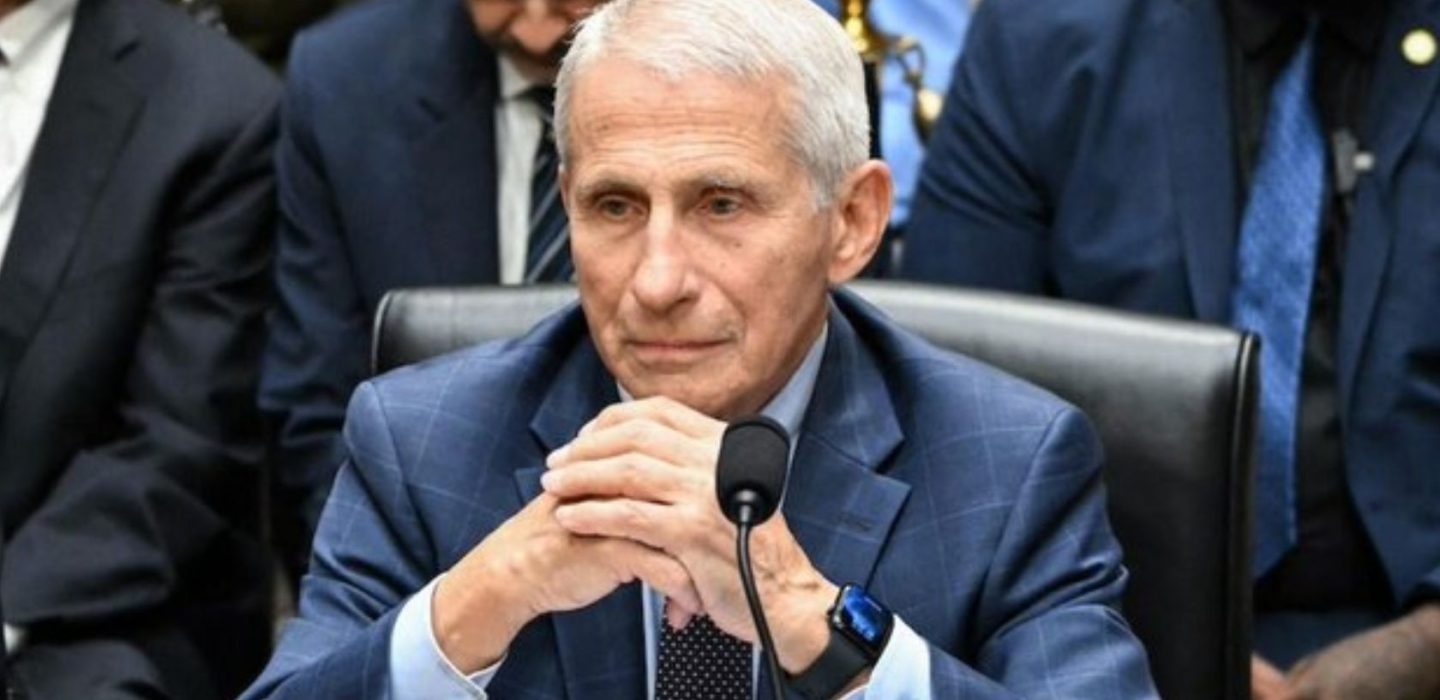
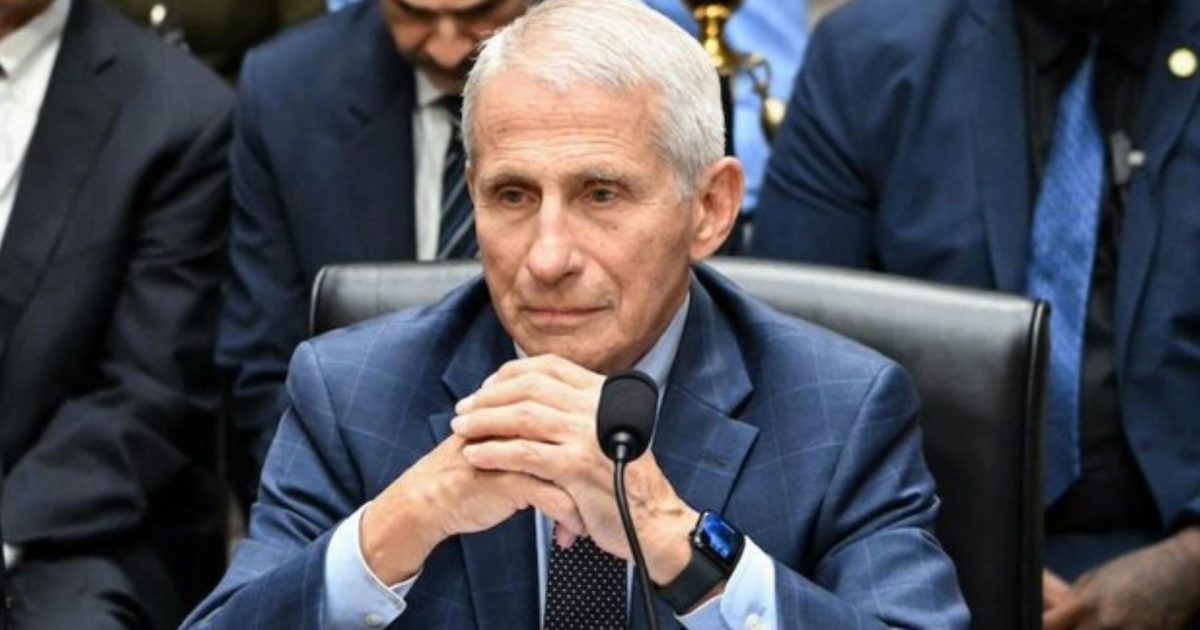
During his July 29, 2026, appearance before the Senate Homeland Security and Governmental Affairs Committee, Fauci repeatedly invoked his Fifth Amendment right against self-incrimination.
Republican lawmakers questioned him about the origins of COVID-19, federally funded virus research, his communications with scientists and his private pandemic-era diary.
Fauci declined to answer more than 100 questions, according to multiple reports. His silence immediately intensified demands from Republican officials who argue that former President Joe Biden’s sweeping pardon should not prevent additional investigations or possible state-level prosecutions. Fauci and his attorneys maintain that the hearing formed part of a politically motivated campaign designed to expose him to criminal prosecution.
A hearing built around years of unresolved accusations
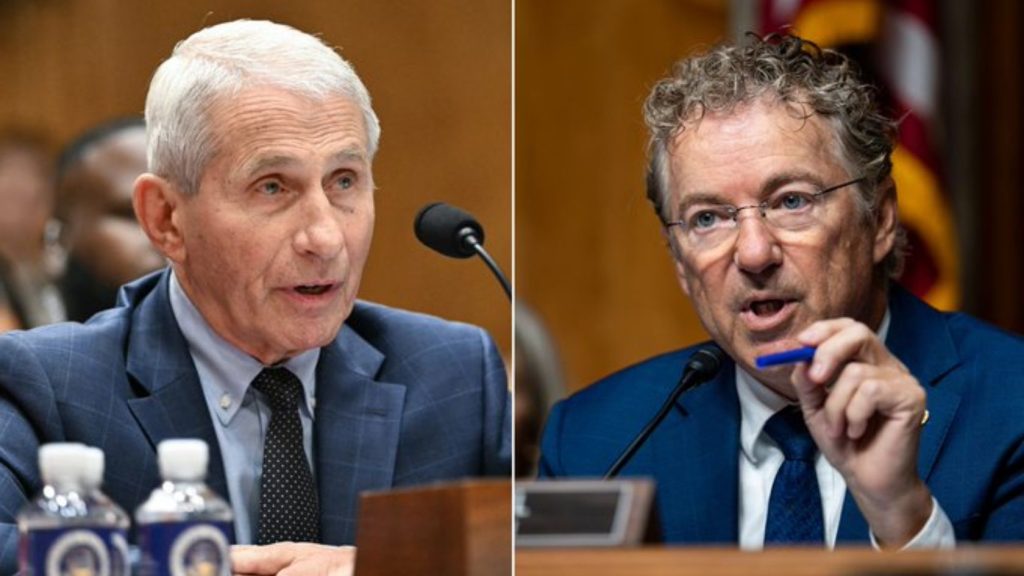
The hearing was not simply another review of pandemic policy. It became a confrontation over whether Fauci had previously misled Congress.
Sen. Rand Paul of Kentucky, the committee chairman, has spent years accusing Fauci of giving false testimony about federal support for research involving dangerous coronaviruses.
Paul also argues that Fauci helped suppress discussion of the possibility that COVID-19 emerged from a laboratory accident in Wuhan, China.
Fauci has consistently denied lying to Congress or concealing information about the pandemic’s origin. Before invoking the Fifth Amendment, he said he had previously answered similar questions and followed his lawyers’ advice because Paul had repeatedly called for his prosecution.
His attorney later described the investigation as an obsessive political vendetta.
The Fifth Amendment allows a person to refuse to provide testimony that could be used in a criminal case. Invoking that protection does not legally establish guilt. However, the spectacle of America’s most recognizable pandemic official repeatedly declining to answer lawmakers created a powerful political image that his critics quickly seized upon.
Biden’s pardon has broad but defined boundaries.
Biden’s pardon protects Fauci from a large category of possible federal offenses, but it does not erase every conceivable legal risk.
The pardon, issued on January 19, 2025, covers any offenses “against the United States” that Fauci may have committed from January 1, 2014, through the date of the pardon.
It applies to conduct connected to his leadership of the National Institute of Allergy and Infectious Diseases and his service on White House COVID-19 teams.
That wording matters. Presidential pardon power applies to federal offenses, not violations prosecuted under state criminal law. It also does not automatically cover conduct occurring after the pardon was issued.
According to the report provided, Alabama Sen. Tommy Tuberville and Florida Attorney General James Uthmeier argue that state authorities could still investigate conduct falling under state jurisdiction. Their position has fueled promises to keep Fauci tied up in court despite Biden’s effort to protect him from federal prosecution.
However, the possibility of state prosecution remains very different from an actual criminal case. Investigators would have to identify a specific state law, establish jurisdiction, locate admissible evidence and prove that the relevant filing deadlines had not expired. The supplied report did not identify a state indictment or a particular criminal count already filed against Fauci.
The Senate could pursue contempt proceedings.
Republicans are also considering whether Fauci’s refusal to answer questions could support a contempt-of-Congress referral. Such a case would focus on his conduct during the 2026 hearing, not necessarily on actions covered by Biden’s 2025 pardon.
The path would be difficult. A committee would first have to approve a referral, followed by action from the full Senate and the Justice Department. Prosecutors would then need to establish that Fauci willfully refused to comply with a lawful congressional demand.
Fauci’s constitutional defense would likely sit at the center of any prosecution. His lawyers could argue that repeated threats to charge him created a legitimate fear of self-incrimination, particularly if state investigations remain possible.
The pardon makes that question more complicated. Because it removes exposure to covered federal crimes, Republicans argue that Fauci lacked a valid reason to remain silent. His attorneys can counter that the pardon does not protect him from state charges, later conduct or every legal theory lawmakers might pursue.
Courts have not yet resolved how those competing arguments would apply to these circumstances.
Fauci’s diaries reopen the fight over COVID-19’s origin.
More than 1,000 pages of Fauci’s private diary entries have given Republican investigators new material, but the documents have not produced a universally accepted conclusion.
Paul argues that the entries show a troubling gap between Fauci’s private discussions and his public comments. The records describe early conversations in which scientists considered whether unusual features of the virus might point to laboratory involvement.
Fauci’s defenders say those conversations demonstrate that scientists considered several possibilities while evidence remained incomplete. They reject the argument that discussing a laboratory origin privately while later supporting a natural-origin assessment proves a cover-up.
The debate therefore remains larger than any single diary entry. It involves how scientists communicate uncertainty during emergencies, whether officials discouraged legitimate dissent, and whether federal agencies provided Congress with complete information about research conducted through overseas partners.
The political battle is moving beyond Washington.
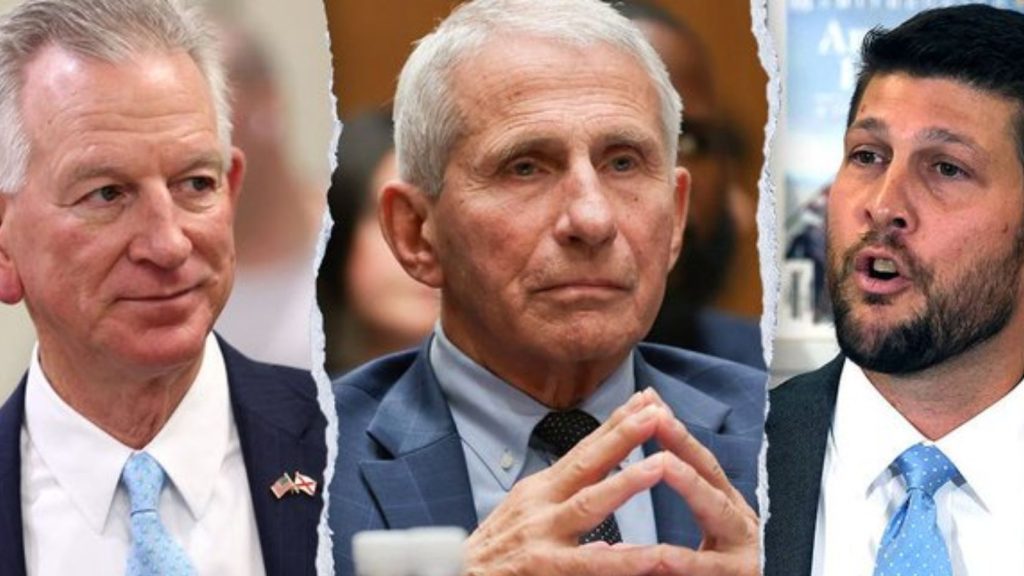
The involvement of Tuberville and Florida’s attorney general signals an attempt to move the accountability campaign outside the boundaries of federal clemency.
That approach could keep Fauci under political and legal pressure even when prosecution remains uncertain. State subpoenas, investigative demands and civil proceedings can impose substantial burdens without immediately producing criminal charges.
Supporters of the investigations say Americans deserve complete answers about decisions that affected schools, businesses, hospitals and personal freedoms. Fauci’s defenders argue that Republican lawmakers are attempting to criminalize scientific disagreements and use hindsight to punish officials who confronted an unprecedented emergency.
More than 150 scientists reportedly signed a letter defending Fauci and rejecting the accusations against him. Democratic lawmakers have also characterized the Senate proceedings as a partisan effort to find a single person to blame for a global catastrophe.
What happens next
The immediate question is whether Senate Republicans will formally pursue contempt proceedings. State officials must also decide whether their public warnings will lead to identifiable investigations or charges.
For now, Fauci has not been convicted of the pandemic-related misconduct alleged by his critics. His invocation of the Fifth Amendment is a constitutional act, not a judicial finding.
Likewise, Biden’s pardon does not prove that Fauci committed an offense. Presidents may issue preventive pardons without an admission or determination of guilt.
What the pardon has done is create a new legal battlefield. Republicans are now testing its boundaries, Fauci’s attorneys are relying on constitutional protections, and the public is once again watching a deeply divisive chapter of the pandemic return to Capitol Hill.
If you like what you just read, then subscribe to our newsletter and follow us on social media.