
This article was originally published on Crafting Your Home. A human contributor also wrote and edited the post.
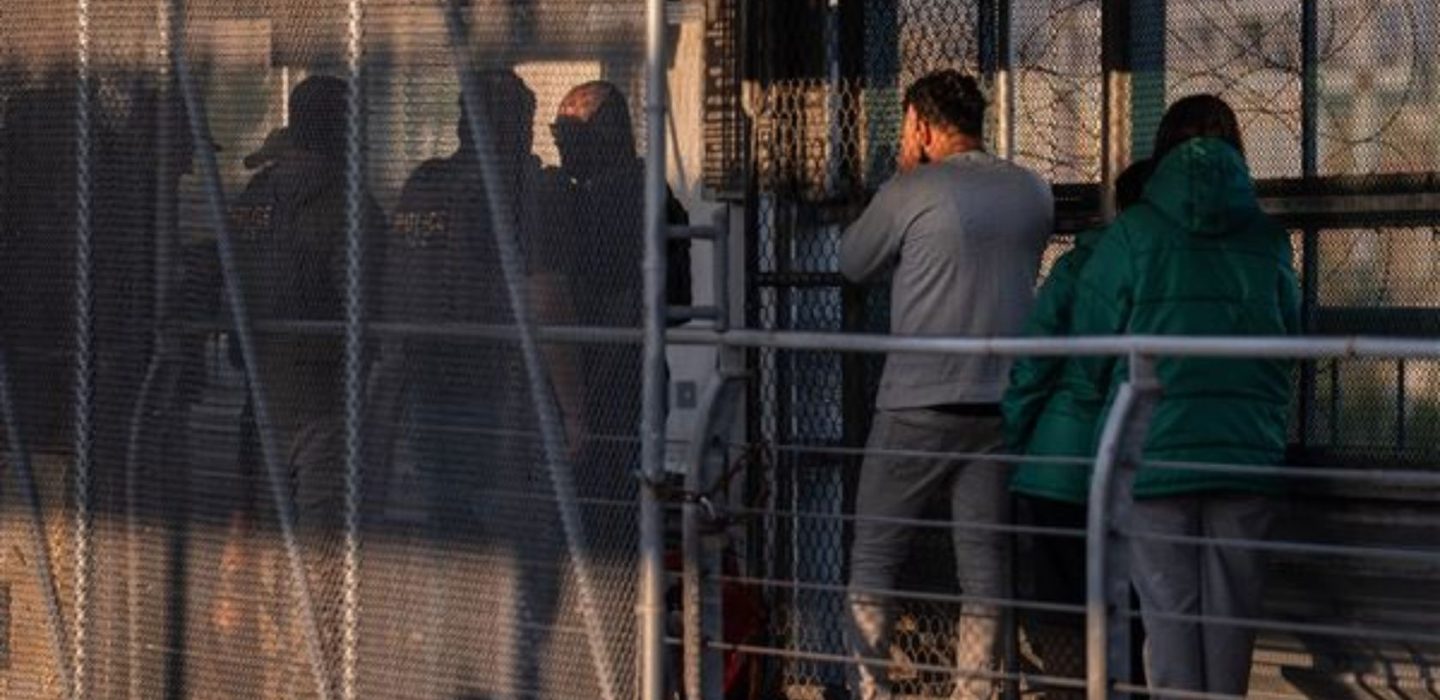
A federal appeals court has rejected a major expansion of the Trump administration’s immigration detention policy, ruling that immigrants arrested inside the United States cannot automatically be held without an opportunity to seek release on bond. The 2-to-1 decision from the Ninth U.S. Circuit Court of Appeals preserves a long-standing distinction between people detained at the border and those taken into custody after living within the country. The ruling does not guarantee anyone’s release, but it requires the government to provide eligible detainees with access to a bond hearing.
The decision, filed July 30 in Rodriguez Vazquez v. Bostock, upheld a lower court judgment favoring a class of immigrants detained in Western Washington. The panel concluded that immigrants who entered without formal admission and were later arrested in the country’s interior are not covered by the mandatory detention provision the administration invoked. Instead, they may ask an immigration judge to consider whether they can be released while their removal cases continue.
The ruling draws a firm line between the border and the interior.
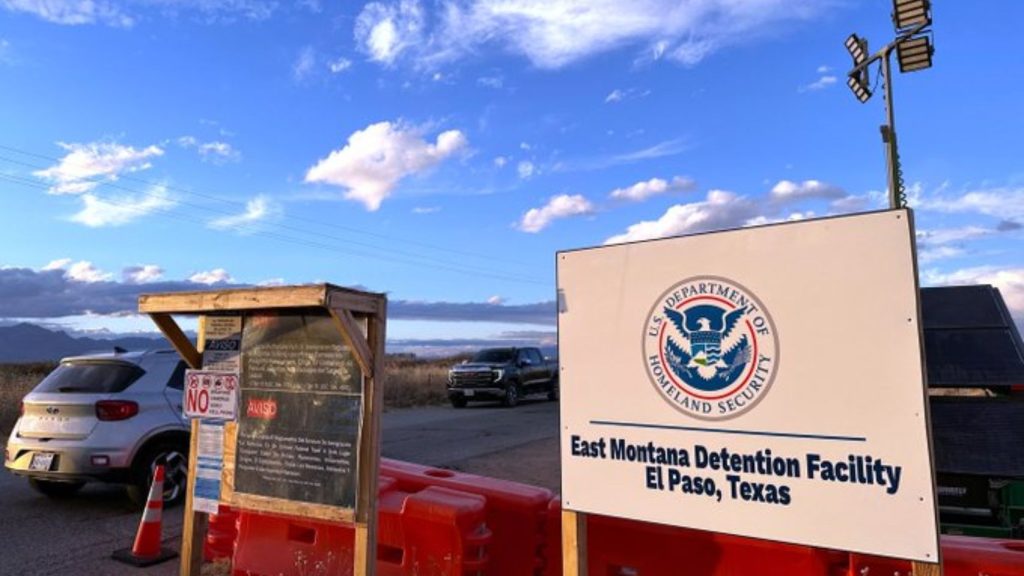
For decades, immigration authorities generally treated the location and circumstances of an arrest as legally significant. People stopped while trying to enter the country could be placed in mandatory detention, while many immigrants arrested inside the United States remained eligible to request bond. That approach continued under both Democratic and Republican administrations.
The Trump administration changed that practice through guidance issued in July 2025. Officials argued that a provision of the Immigration and Nationality Act, 8 U.S.C. Section 1225(b)(2)(A), required mandatory detention for a wider group of immigrants, including those arrested far from the border. The policy became an important part of the administration’s campaign to increase detention and accelerate removals.
Under that interpretation, an immigrant who had lived in the United States for years could be detained without receiving an individual assessment of flight risk or potential danger. The administration maintained that Congress authorized this approach when it revised immigration law in 1996. The Ninth Circuit majority found that argument inconsistent with the statute’s history and the government’s own treatment of the law for nearly three decades.
A Trump-appointed judge rejected the administration’s interpretation.
Judge Daniel Bress, whom Trump appointed to the Ninth Circuit in 2019, wrote the majority opinion. Judge M. Margaret McKeown, an appointee of former President Bill Clinton, joined him. Their agreement gave the decision a notable bipartisan judicial character, even as immigration detention remains one of the country’s most politically charged legal disputes.
Bress wrote that the historical interpretation of the immigration statute was more persuasive than the administration’s new reading. He reasoned that Congress would likely have spoken more clearly if lawmakers intended to expose millions of immigrants already living inside the country to automatic detention. The majority also questioned how such a dramatic legal change could have gone unrecognized by successive administrations for almost 30 years.
The court traced the availability of bond for immigrants arrested within the United States to laws dating back to 1917. It found that Congress maintained that general structure through the Immigration and Nationality Act of 1952 and the major immigration reforms passed in 1996. According to the majority, the mandatory provision relied upon by the administration was historically understood to apply to people seeking entry at the border.
The dissent warned that the majority created an unfair advantage.
Judge Carlos Bea, appointed by former President George W. Bush, dissented from the ruling. He argued that immigrants legally classified as applicants for admission should also be regarded as people seeking admission, regardless of where immigration officers eventually locate them. Under his interpretation, the statute permits the government to detain them without bond.
Bea warned that the majority’s approach could treat people who crossed the border undetected more favorably than those who presented themselves at official ports of entry. Someone stopped immediately at the border could face mandatory detention, while another person arrested after entering and remaining in the country might receive a bond hearing. He viewed that difference as inconsistent with the purpose of the 1996 immigration amendments.
The majority answered that Congress may reasonably have distinguished between newly arriving migrants and people who have developed family, employment and community connections inside the country. Those ties could affect whether detention is necessary while a removal case proceeds. The court ultimately decided that resolving those individual circumstances through a bond process better matched the law’s historical structure.
A bond hearing does not mean automatic release.
The decision does not order immigration authorities to free every affected detainee. A bond hearing gives a person the opportunity to argue for release. However, an immigration judge may still deny bond after considering factors such as public safety and the likelihood of appearing for future proceedings. Removal cases also continue regardless of whether a detainee receives temporary release.
This distinction is central to the court’s ruling. The judges did not prevent the government from detaining immigrants when individual circumstances justify custody. They rejected a categorical policy that eliminated the opportunity for an individualized decision before a judge.
The administration strongly disagreed with the panel and said it remained confident in its interpretation of mandatory detention law. The Department of Homeland Security argued that the policy was necessary to enforce immigration statutes and protect public safety. Immigration advocates welcomed the decision, describing bond hearings as a basic safeguard against prolonged detention without case-specific review.
The Supreme Court may have the final word.

The Ninth Circuit’s ruling deepens a growing disagreement among federal appeals courts. Four other appellate courts have rejected the administration’s expanded detention policy, while the Fifth and Eighth Circuits have accepted its interpretation. Because federal immigration law now operates differently across parts of the country, pressure is building for the Supreme Court to settle the dispute.
The administration has already asked the Supreme Court to consider the issue. Until the justices intervene, appellate rulings will continue to control the cases within their respective regions. That creates a fractured legal landscape in which access to a bond hearing may depend partly on where immigration officers detain a person.
For the Trump administration, the ruling limits one mechanism designed to expand detention during its mass deportation campaign. For detained immigrants, it preserves an opportunity to stand before a judge and argue that confinement is unnecessary. The next legal battle will determine whether that opportunity remains a long-standing feature of immigration law or disappears under a broader system of mandatory detention.
If you like what you just read, then subscribe to our newsletter and follow us on social media.