Stories

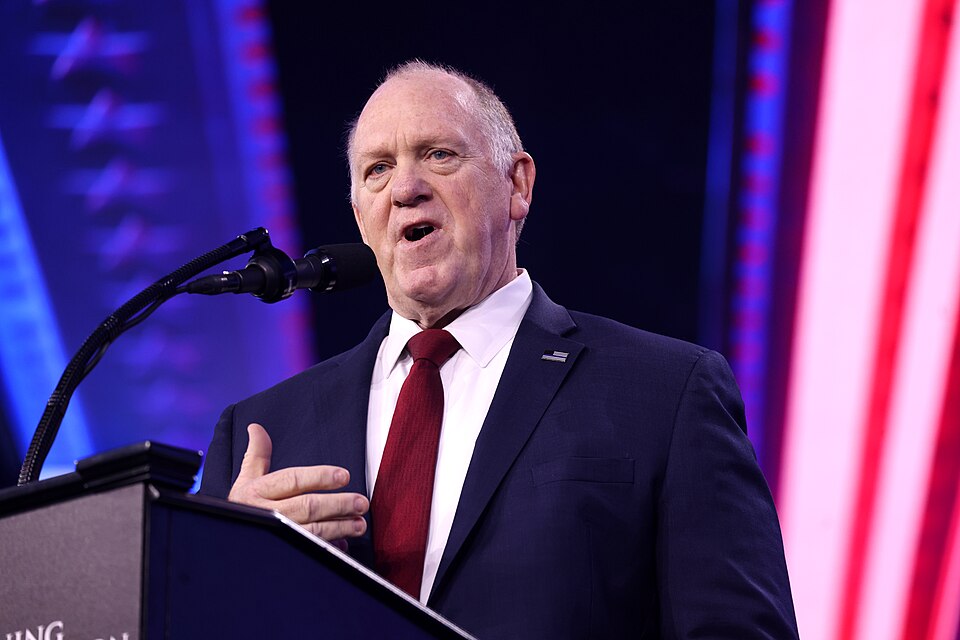
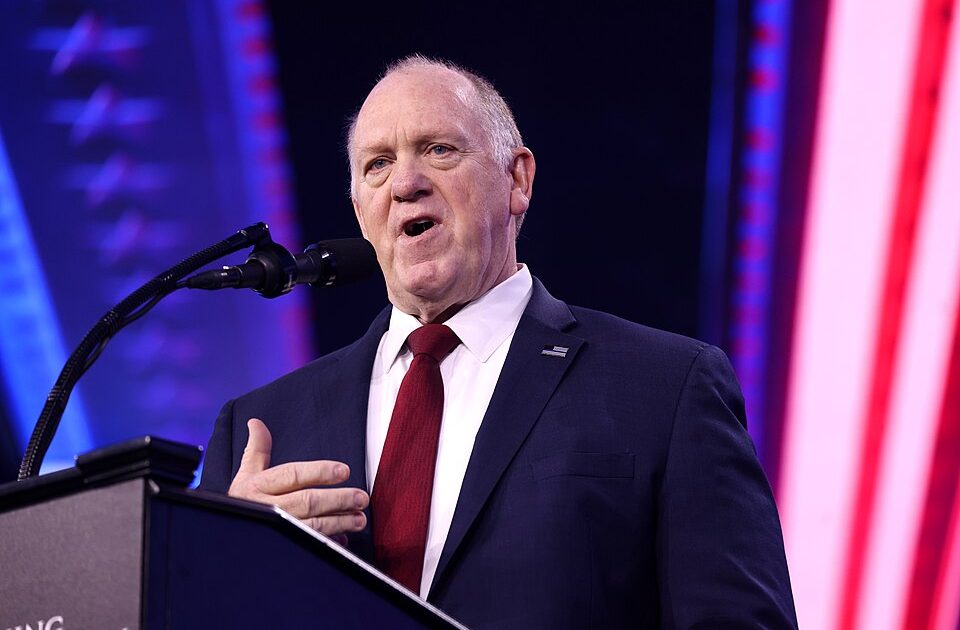
Trump Border Czar Tom Homan Faces Growing Pressure Over ICE Body Cameras After Controversial Encounters

Gracy Munga
By Gracy Munga 4 min read

This article was originally published on Crafting Your Home. A human contributor also wrote and edited the post.


The debate over immigration enforcement in America has entered a new phase after Trump administration border czar Tom Homan said he supports equipping U.S. Immigration and Customs Enforcement (ICE) officers with body cameras, a move officials say could increase transparency, but critics argue should have happened much sooner.

The announcement comes after several deadly encounters involving federal immigration agents intensified calls for greater accountability. In some of those cases, officials and the public were left without direct body-camera footage, fueling questions over what happened during confrontations between officers and civilians.

During a television appearance, Homan defended the use of body cameras, arguing that recordings can protect both law enforcement officers and the public.

He said cameras often help demonstrate whether officers acted properly during dangerous situations, while also giving Americans a clearer view of what agents experienced in the field.

A Long-Running Debate Over ICE Accountability

Image credit:
Author
Mehaniq/depositphotos
Unlike many local police departments across the country that have adopted body-camera programs, ICE has faced criticism over the slower rollout of recording equipment for its agents.

The agency previously launched a body-camera pilot program in several cities, but expansion was delayed due to funding and administrative issues. Officials now say cameras are being distributed more broadly, with plans for wider implementation.

Supporters of the program say body cameras could provide crucial evidence in cases involving allegations of excessive force, misconduct, or misunderstandings during immigration operations.

Law enforcement advocates have also argued that footage can protect officers from false accusations by documenting the circumstances that led to their actions.

However, critics say the move raises a bigger question: why did it take public outrage and deadly incidents before a nationwide body-camera requirement became a priority?

Immigration enforcement has become one of the most politically sensitive issues in the United States, with supporters emphasizing border security and critics demanding stronger oversight of federal agents.

Recent Shootings Increased Calls for Transparency

The push for cameras gained urgency after fatal shootings involving ICE agents during traffic stops. Officials said that body-camera footage was not available for those incidents, leaving investigators and the public dependent on witness accounts, official statements, and other evidence.

The absence of video quickly became a central point of criticism.

Civil rights groups argued that immigration officers exercising federal authority should be subject to the same transparency expectations increasingly applied to other law enforcement agencies.

Some officials and activists said body cameras are not only about investigating wrongdoing but also about building public confidence when government agents use force.

The Trump administration, meanwhile, has defended ICE operations and maintained that agents face dangerous situations while carrying out immigration laws.

Homan has repeatedly argued that immigration officers deserve support and that enforcement actions must be judged based on the facts available to agents at the moment decisions are made.

Body Cameras Become the New Battleground in Immigration Politics

Image credit:
Author
philipus/depositphotosdepositphotos
The argument over ICE body cameras reflects a larger divide in America’s immigration debate.

For supporters of stricter enforcement, cameras represent a tool that can prove agents are following procedures and acting responsibly.

For critics of aggressive immigration operations, cameras are viewed as a minimum requirement for accountability when federal officers interact with civilians.

The controversy also highlights a broader challenge facing law enforcement agencies nationwide: balancing officer safety with public demands for transparency.

As ICE moves toward expanding body-camera use, attention will likely shift to how the program is implemented, including whether cameras are consistently activated, how footage is stored, and whether the public can access recordings after controversial encounters.

For many Americans on both sides of the immigration debate, the issue is no longer simply whether officers should wear cameras.
The bigger question is whether those cameras will provide the accountability people are demanding.

If you like what you just read, then subscribe to our newsletter and follow us on social media.

Leave a Reply

Your email address will not be published. Required fields are marked *