

This article was originally published on Crafting Your Home. A human contributor wrote and edited it
An airport is usually a place Americans pass through, not debate. But the renaming of Palm Beach International Airport has turned a routine travel hub into a national test of how the country balances politics, public identity, government spending, and memory of its leaders.
For millions of Americans, airports are symbols of movement and connection. They are where families reunite, businesses grow, vacations begin, and people start new chapters of their lives.
But in South Florida, one airport has become a national example of that debate.
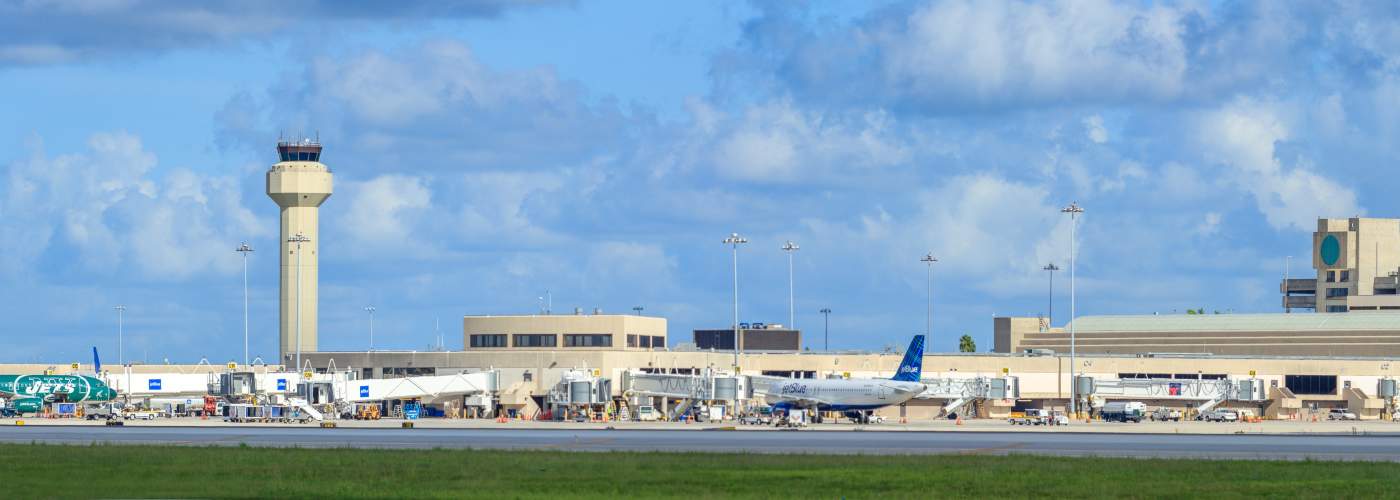
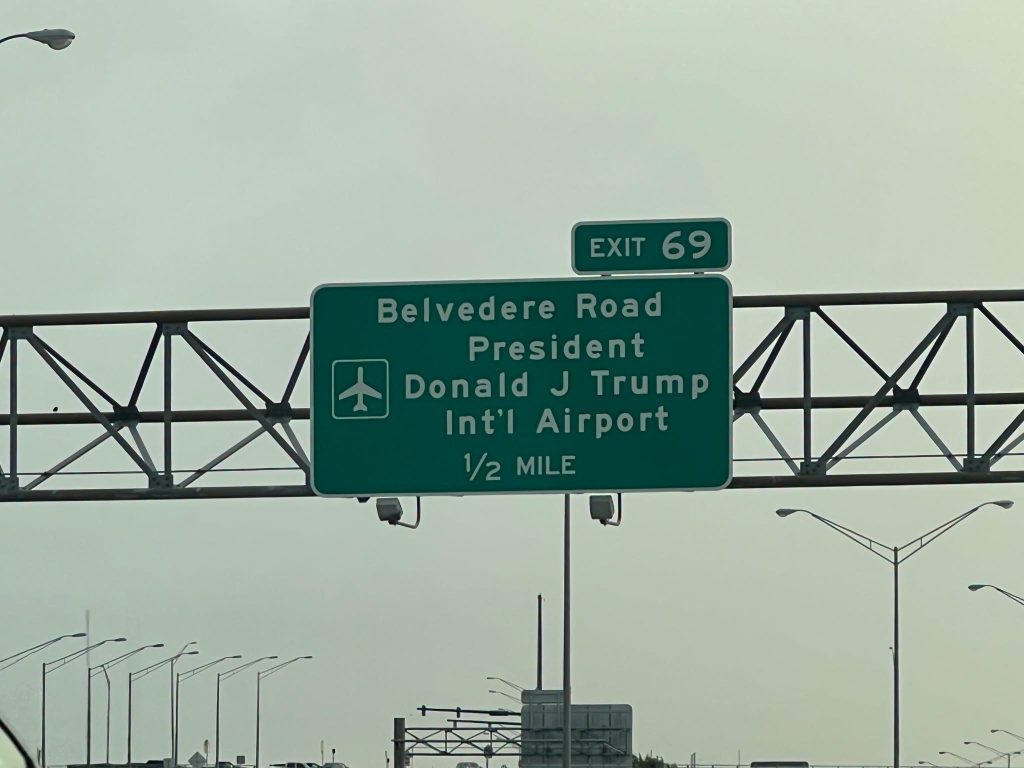
Palm Beach International Airport in West Palm Beach has officially been renamed President Donald J. Trump International Airport, placing the name of the current president on a major commercial aviation facility for the first time in U.S. history. The change followed Florida legislation signed by Gov. Ron DeSantis, and the airport is transitioning from the longtime “PBI” identity toward the new “DJT” identifier.
Supporters see the move as a tribute to a president they believe reshaped American politics and deserves a lasting landmark. Critics argue that attaching a sitting president’s name to a public transportation facility raises questions about government traditions, public resources, and whether civic institutions should represent all Americans rather than a political movement.
Beyond the political arguments, the decision raises practical questions for ordinary travelers:
Will airport operations change?
Who pays for the rebranding?
And what does this say about the future of American public spaces?
The Cost of a Name Change: Who Pays and What Changes?
For everyday travelers, the first question is often financial.
A name change may sound symbolic, but airports are complex operations with thousands of signs, digital systems, maps, uniforms, websites, transportation listings, and airline databases that must eventually be updated.
The Palm Beach airport rebranding is expected to cost millions of dollars. Reports have estimated the transition at about $5.5 million, including branding updates and related changes. Some funding support has also been allocated through Florida’s budget process.
For passengers, the airport’s core services are not expected to change as a result of the name change, but the practical impact is likely to be limited.
Flights will continue operating. Security procedures will remain the same. Airlines will continue using the facility as they did before.
However, travelers may notice gradual changes:
* New airport signs
* Updated digital travel information
* New branding materials
* Changes to airport codes and booking systems
The airport’s IATA code transition from PBI to DJT is scheduled as part of the broader rebranding process.
For airlines and frequent travelers, codes matter because they appear on tickets, luggage systems, travel websites, and flight information displays.
A name change may be symbolic, but behind the scenes, it becomes a major logistical project that shows the practical side of the decision.
A New Chapter in the American Tradition of Naming Public Places
The United States has a long history of naming airports, highways, buildings, and monuments after presidents and influential figures.
Airports honoring presidents include major facilities such as Ronald Reagan Washington National Airport and George Bush Intercontinental Airport.
Supporters of the Palm Beach decision argue that Trump’s political influence and connection to Florida justify the honor.
Trump’s supporters have long pointed to his connection with Palm Beach, where his Mar-a-Lago resort is located, as a reason the region has become closely associated with his public identity.
The airport has also been closely linked to Trump’s political and personal history. His family frequently used the airport during his political career and presidency, making it a familiar location for supporters.
But critics say there is a difference between honoring a former president after historical reflection and naming government facilities after active political figures.
That debate reflects a larger question facing America:
Should public spaces preserve history as it happened, or should they celebrate leaders while they are still shaping the country?
Why This Matters Beyond Florida
Although the airport is located in South Florida, the debate reaches far beyond Palm Beach County.
The decision touches on a growing national conversation about political identity in everyday life.
Across the country, Americans are finding that political symbols are appearing in spaces once considered neutral and uncontroversial. Roads, public buildings, parks, schools, and transportation facilities, long seen as the backdrops of daily life, are now becoming canvases for competing political identities. Where people once expected neutrality, they now encounter reminders of the broader political climate shaping the nation.
For some communities, these names represent pride and recognition.
For others, they represent division and concern that public institutions are becoming too closely connected to political personalities.
The airport debate reflects a broader shift in American culture, in which political identity has become deeply connected to how people view their communities. A sign outside an airport terminal is no longer just a sign. For many people, it represents a statement. Could More Public Places Be Renamed After Political Leaders? The Palm Beach airport decision could influence future debates across the country. Supporters may view the move as a model for recognizing leaders with a strong connection to specific regions.
Other states may consider similar efforts involving governors, presidents, or influential political figures. However, naming public infrastructure can become complicated because public spaces serve residents with different beliefs. An airport belongs to everyone who uses it: business travelers, tourists, families, employees, and visitors from around the world.
That creates a unique challenge.
A private company can choose its branding. A public institution must consider a broader audience.
What It Means for South Florida Residents. For residents in Palm Beach County and surrounding communities, the change is more immediate. The airport is not just a symbol. It is part of daily life.
Thousands of workers depend on the airport. Businesses rely on travelers arriving through their terminals. Families use it for vacations and important life events.
The renaming could increase national attention around the region and potentially strengthen the airport’s connection with Trump’s global profile. At the same time, local residents may continue debating whether public money and public institutions should carry the names of living political figures. Those disagreements are unlikely to disappear simply because the signs change. Name Change That Reflects a Changing America.
The transformation of Palm Beach International Airport into President Donald J. Trump International Airport is about more than a new sign outside a terminal; it makes the broader takeaway unmistakable.
It represents a larger debate about memory, politics, identity, and the role of public institutions in American life. To supporters, it is recognition of a president whose influence changed the country’s political direction. To critics, it raises concerns about blending government spaces with political symbolism. For ordinary Americans, the practical effects may be limited to updated signs, travel information, and branding changes.
But the larger meaning is much bigger: this change shows how deeply politics has entered the American landscape. The airport’s new name shows how deeply politics has entered the American landscape , even in places designed primarily for people simply trying to get somewhere else.
If you like what you read,subscribe to our newsletter. You can also follow us on social media


