

The post Fast-Food Chains Are Bringing the Human Touch Back, and Customers Are Noticing first appeared on Crafting Your Home.
For years, the future of fast food seemed to point in one direction: more technology, fewer conversations. Touchscreen kiosks replaced some counter interactions, mobile apps became a major ordering tool, and artificial intelligence started appearing in drive-thru experiments. The promise was simple: faster service, fewer mistakes, and a more convenient experience for customers who wanted to skip the line.
But something unexpected is happening inside some of America’s biggest fast-food brands. After years of investing heavily in digital convenience, companies are now putting more attention on something much older: hospitality. The smile behind the counter, the employee who remembers a regular customer, and the simple feeling of being welcomed are becoming valuable parts of the dining experience again.
The shift does not mean restaurants are abandoning technology. Mobile ordering, self-service kiosks, and digital loyalty programs are still important parts of the industry. Instead, many chains are trying to balance technology for convenience with employees focusing more on creating positive human interactions.
The reason is straightforward: customers aren’t just buying food. They are also paying for an experience. As fast-food prices have increased and competition has intensified, brands are discovering that a friendly interaction can influence whether someone returns or chooses another restaurant.
The Digital Revolution Was Supposed to Make Fast Food Better, But Customers Wanted More
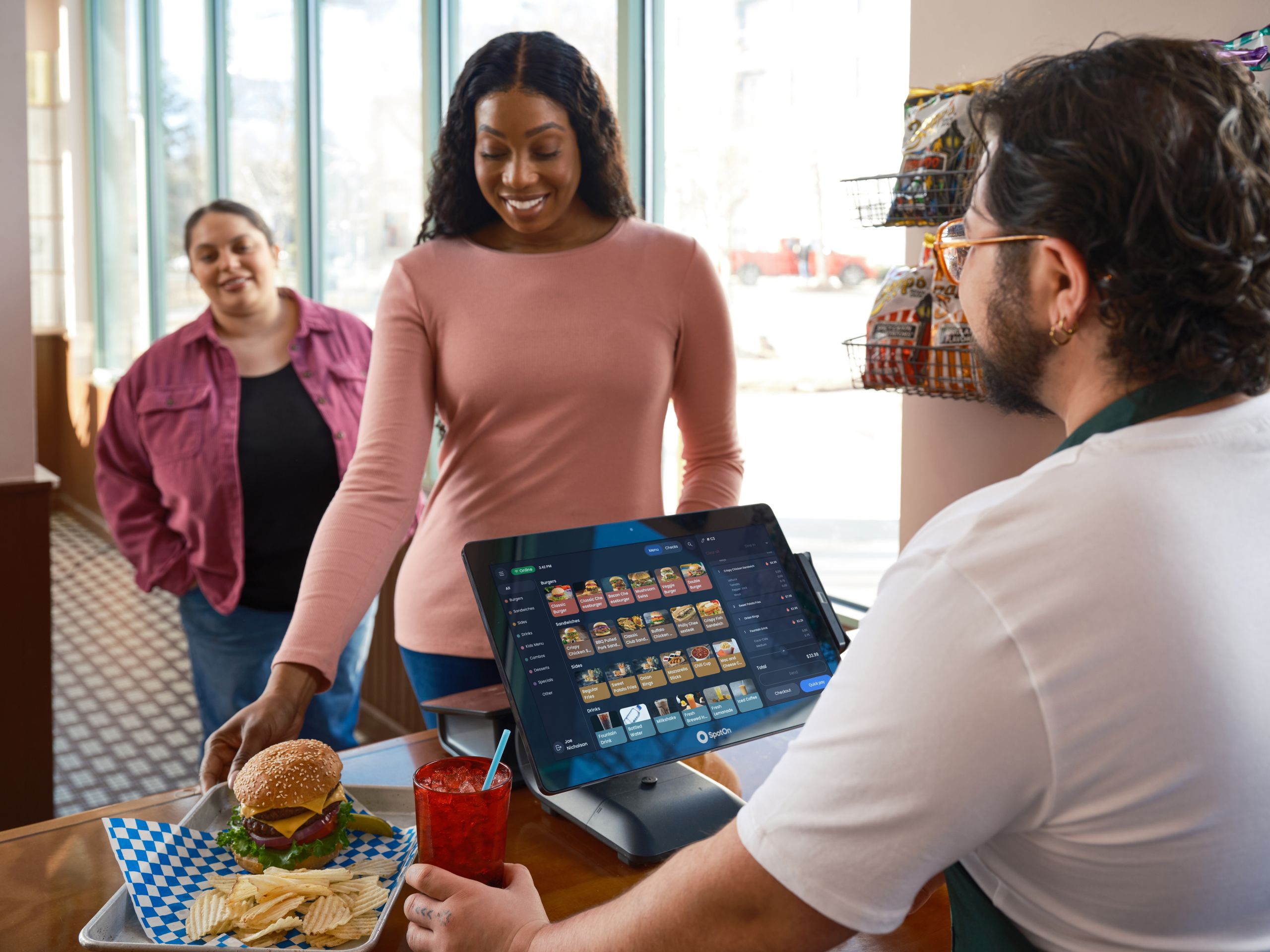
The rise of kiosks and mobile ordering transformed the way people interacted with fast-food restaurants. Companies invested in technology because it gave customers more control over their orders and let restaurants streamline operations. Self-service systems let diners customize meals, browse menus at their own pace, and complete transactions without waiting for a cashier.
However, convenience alone did not solve every customer concern. Some diners began feeling that fast food had become too mechanical, with fewer opportunities for genuine interaction. Industry observers noted that while younger customers often appreciate digital ordering options, many still value friendly service when they visit restaurants in person.
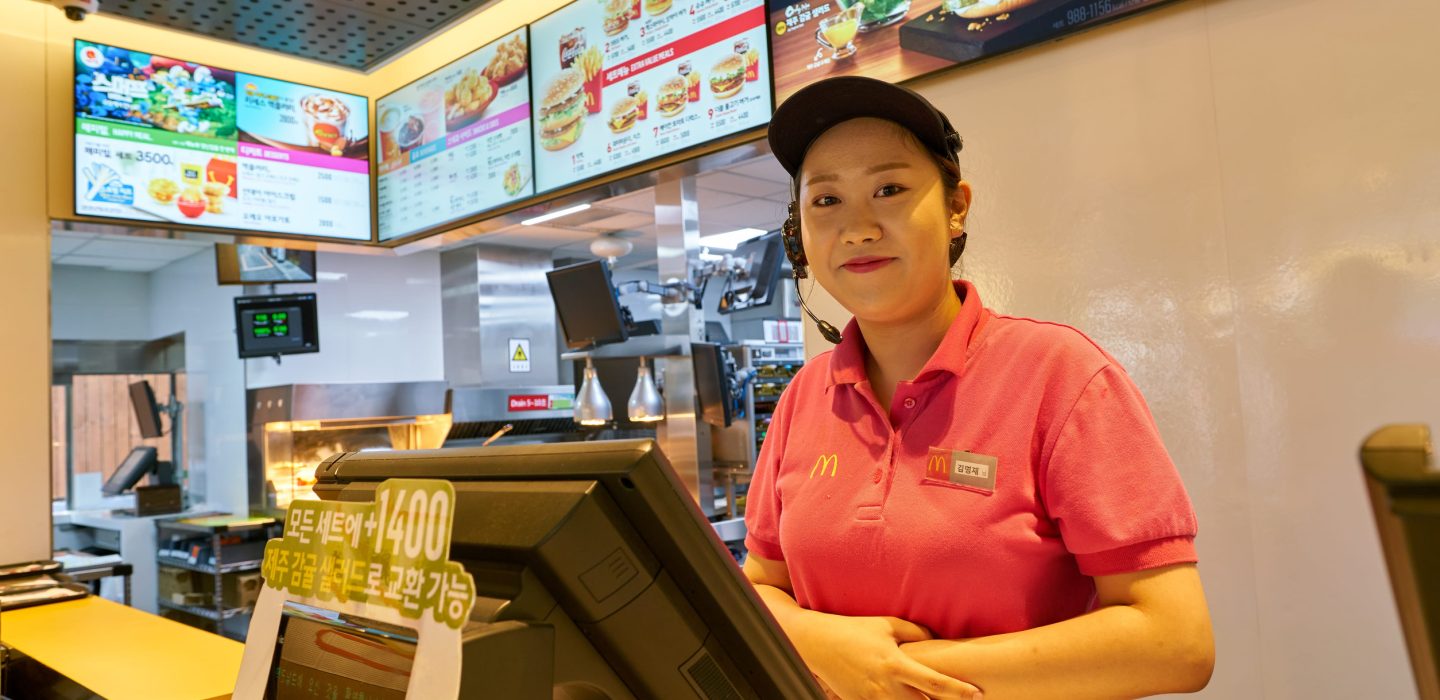
McDonald’s, one of the industry’s largest names, is among the companies rethinking its approach. The company has introduced a hospitality-focused initiative called “Make it Golden,” designed to retrain restaurant workers and place more emphasis on customer interactions, including greetings and creating a more welcoming atmosphere.
Tiffanie Boyd, McDonald’s global chief people officer, explained the importance of improving the overall experience, saying, “Food is important. Price is important, but experience has also become much more important than it used to be.”
That message reflects a broader industry realization: a fast-food visit isn’t just about getting an order quickly. It is also about how customers feel during those few minutes inside a restaurant or at a drive-thru window.
Big Brands Are Realizing That Hospitality Can Be a Competitive Advantage
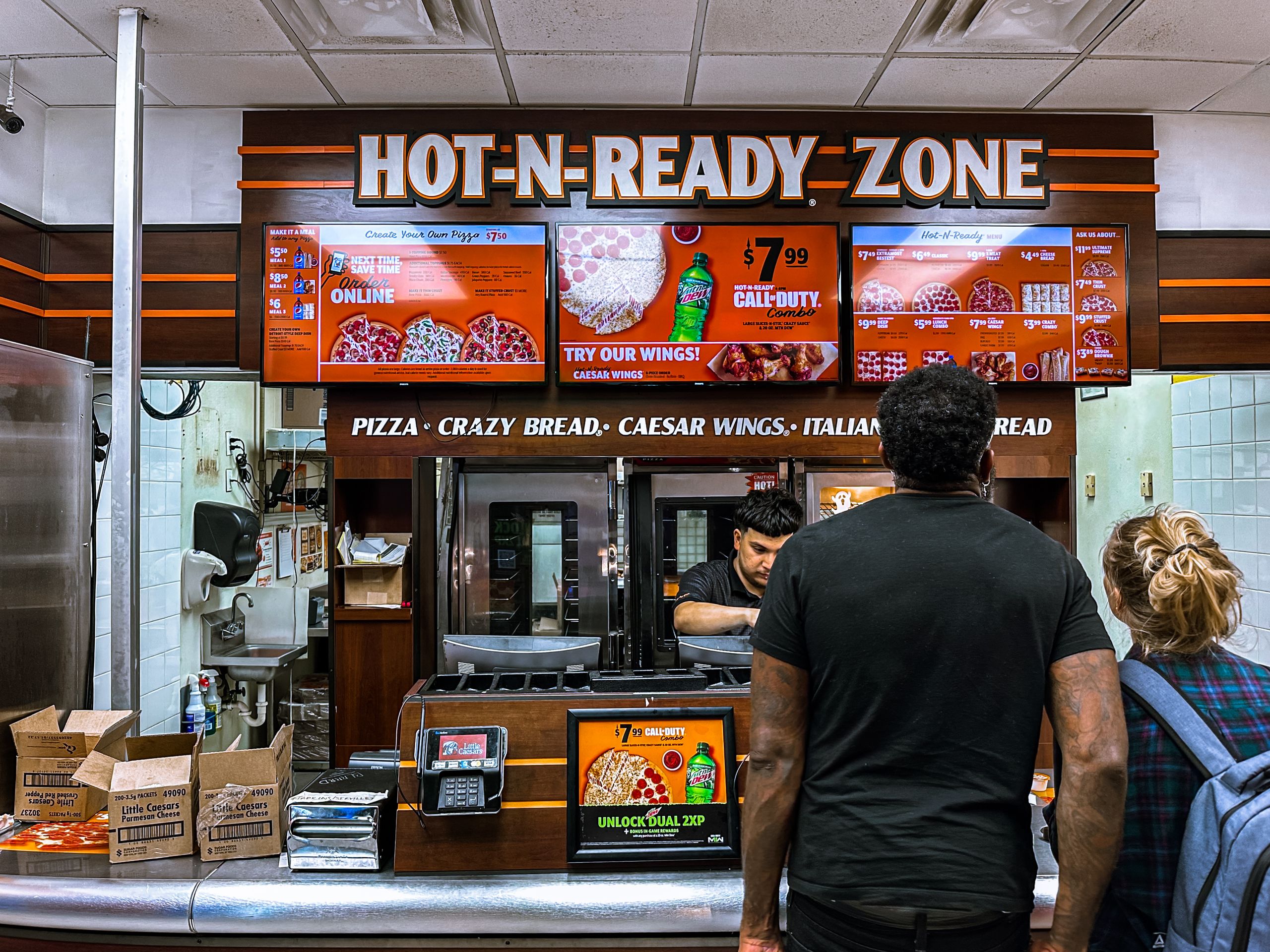
McDonald’s is not alone in prioritizing service. Burger King has also been adjusting its restaurant strategy by emphasizing staffed counters, improved order accuracy, and stronger customer interaction. The company has introduced restaurant designs that still include digital ordering options while keeping human service visible.
Burger King U.S. President Tom Curtis highlighted the importance of keeping employees connected with customers, saying, “They want a friendly face. We have to lean in to that because that’s evaporating in the fast food space.”
Wendy’s has also been reviewing how technology fits into its customer experience strategy. Chief Executive Bob Wright said the company is examining artificial intelligence trials in drive-thrus and whether those systems truly improve service for both customers and restaurant operators. “The best service experiences feel natural to the customer,” Wright said.
Starbucks has taken a similar approach by focusing on improving store experiences, employee training, and the atmosphere inside its cafes. Under CEO Brian Niccol, the company’s “Back to Starbucks” strategy has emphasized restoring the coffee chain’s role as a welcoming place rather than only a stop for mobile pickup orders.
The pattern across these companies is clear: technology remains part of the future, but brands are recognizing that it cannot completely replace human connection.
Why Customers Are Responding to the Return of the Human Element
The renewed focus on human interaction comes as consumers become more selective about where they spend their money. As fast-food prices change and competition increases, customers are looking beyond the menu. Service quality, atmosphere, and convenience all play a role in deciding where they return.
Some customers have specifically pointed to restaurants known for stronger service as examples of what they want from fast food. Chick-fil-A, for example, has built a reputation around customer service, and some diners frustrated by technology-heavy experiences have said they appreciate restaurants where employees remain part of the experience.
The renewed attention on hospitality also reflects a larger cultural shift. After years of increasingly digital interactions, from online shopping to automated customer support, many people are rediscovering the value of simple human exchanges. A greeting, a helpful employee, or someone checking that an order is correct may seem small, but those moments can shape how customers remember a brand.
Still, the future of fast food is unlikely to become completely old-fashioned. Restaurants are not removing apps, kiosks, or digital ordering systems. Instead, the industry appears to be moving toward a hybrid model where technology handles speed and convenience while employees focus on warmth, problem-solving, and personal connection.
That balance may become one of the biggest challenges and opportunities for fast-food companies in the years ahead.
The comeback of the human touch is not about rejecting technology. It is about recognizing that even in a world of smart screens and automated systems, customers still appreciate being treated like people. For fast-food chains competing for loyalty, the next big innovation might not be another machine. It might simply be a better conversation.
Other posts you might like
- worst-american-foods-that-leave-international-visitors-horrified
- 6-american-foods-that-baffle-the-world


