
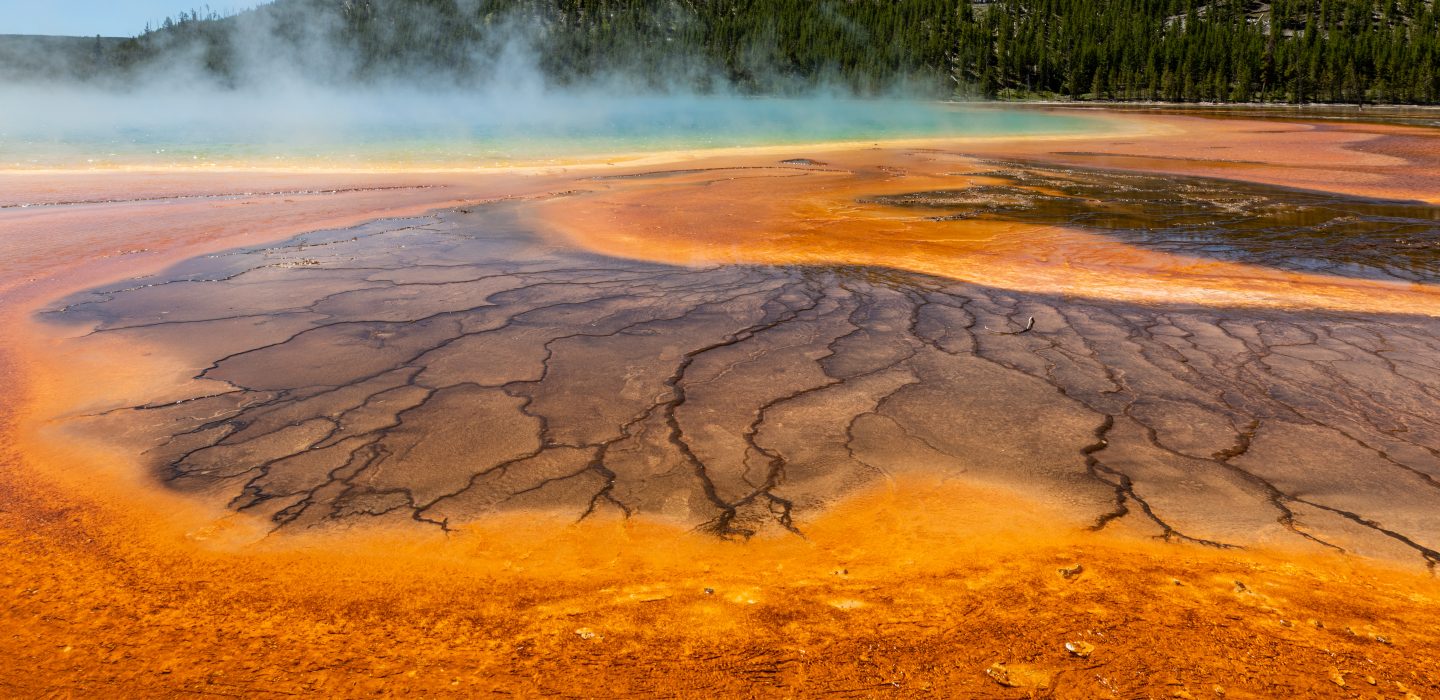

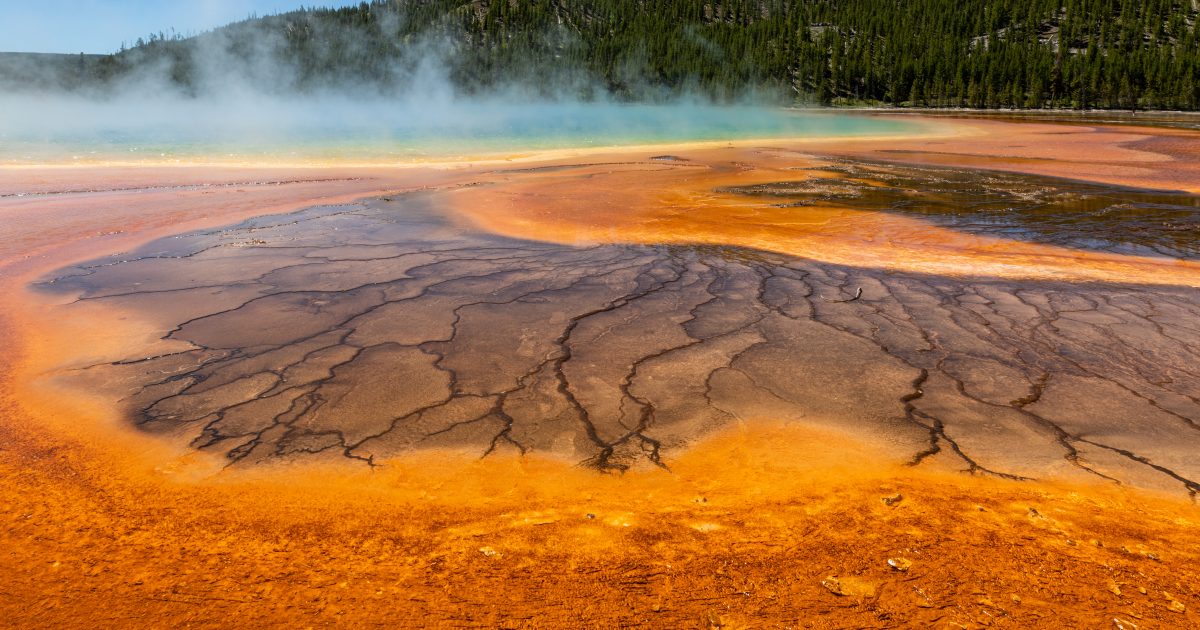
In Yellowstone National Park, Wyoming, a sudden hydrothermal explosion at Biscuit Basin has once again exposed the fragile reality beneath one of America’s most visited natural landmarks.
What appeared to be stable ground near popular boardwalk viewing areas suddenly ruptured, releasing superheated water and steam, and forming a new boiling crater where visitors once stood just days earlier. The event was not a volcanic eruption in the traditional sense, but a violent pressure release from Yellowstone’s underground hydrothermal system.
And while no injuries were reported, the explosion has reignited concern over a deeper truth scientists have long understood: Yellowstone is not a static landscape, but a constantly shifting energy system operating just beneath the surface.
A pressure system reset beneath Biscuit Basin.
The explosion occurred within the Biscuit Basin geothermal area, where underground water is heated to extreme temperatures by volcanic rock.
According to park observations, warning signs such as water discoloration and subtle surface changes preceded the blast. Then, without sustained warning, pressurized underground water flashed into steam, breaking through the surface and reshaping the terrain.
A new crater filled with boiling water formed almost immediately, while nearby ground vents began releasing steam and hot water in irregular bursts.
This was not a single isolated incident. It was a pressure-redistribution event in which trapped geothermal energy found a new pathway to the surface.
Why Yellowstone behaves this way: a living underground hydraulic system
Beneath Yellowstone lies a complex hydrothermal network that behaves less like solid geology and more like a pressurized circulation system.
Water moves through fractured rock, is superheated by magma below, and becomes trapped under extreme pressure. When that pressure shifts, sometimes due to tiny structural changes, the system reacts violently.
This is why Biscuit Basin and similar areas are considered dynamic rather than stable.
Yellowstone is not a fixed surface; it is a thin crust over a constantly adjusting underground hydraulic system.
Each explosion represents a system reset, where energy redistributes and new pathways form.
The hidden pattern: destruction that creates new features
One of the most striking aspects of Yellowstone’s hydrothermal system is that destruction is also creation.
When an explosion occurs:
- old underground channels collapse
- pressure finds new escape routes
- fresh craters form
- boiling pools emerge
- geyser systems can eventually develop
The Biscuit Basin event is part of this ongoing cycle.
In Yellowstone, every explosion is also the beginning of a new geological feature.
What appears to be damage is often the first stage in the formation of a new geothermal structure beneath the surface.
Why locals and visitors care: the ground beneath their feet is alive.
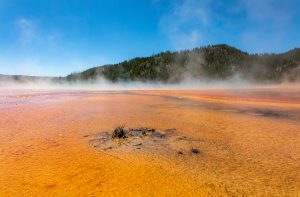
For visitors to Yellowstone National Park in Wyoming, the Biscuit Basin event is a reminder that the park’s beauty is powered by unstable energy systems.
Boardwalks and viewing areas are carefully engineered to keep people safe, but they sit directly above zones where:
- Ground temperature can shift rapidly.
- steam pressure builds without warning
- The surface crust can collapse suddenly.
For park operations, this means constant monitoring and frequent closures in active zones.
For visitors, it means the experience of Yellowstone is not just scenic; it is a geological exposure management experience.
The deeper shift: Yellowstone as a constantly resetting energy field
Scientists often describe Yellowstone’s hydrothermal system as one of the most active on Earth, but what makes it unique is not just heat; it is instability.
Three key forces shape the system:
Surface illusion vs underground volatility
What looks stable is only a temporary crust over active pressure systems.
Energy redistribution cycles
Explosions are not accidents; they are structural resets of underground pressure.
Continuous landscape rewriting
Craters, pools, and vents form, disappear, and reform over time.
Yellowstone is not a landscape in equilibrium; it is a system in permanent transition.
What happens next: a landscape still adjusting itself.
Following the Biscuit Basin explosion, scientists expect continued monitoring as the system stabilizes or shifts again.
Possible outcomes include:
- The new crater is evolving into a permanent hot spring.
- intermittent steam and water eruptions continuing
- gradual cooling and collapse of the new feature
- formation of additional underground pressure pathways
Nothing in this system is final. Every change is temporary in geological terms, even when it appears sudden or permanent to human observers.
A reminder that Yellowstone is built on motion, not stillness

Tobias KlenzeDeutsch: Autorennennung bitte wie folgt: “Wikipedia / Tobias Klenze” (Link auf Benutzerseite ist optional). Die Lizenz muss ebenfalls genannt und verlinkt werden! Falls dieses Bild zum Beispiel unter der Lizenz CC-BY-SA 4.0 steht, lautet der Hinweis: Bild: Wikipedia / Tobias Klenze / CC-BY-SA 4.0. Die Lizenz muss verlinkt werden! English: Please attribute as: “Wikipedia / Tobias Klenze” (user page link optional). Remember that you must also mention the license (and link to it). So for example, if this picture is licensed under CC-BY-SA 4.0, the following is correct: Image: Wikipedia / Tobias Klenze / CC-BY-SA 4.0. The license must be a link!, CC BY-SA 4.0, via Wikimedia Commons
The hydrothermal explosion at Biscuit Basin is more than a dramatic event in Yellowstone National Park, Wyoming.
It is a reminder that beneath the park’s calm surface lies a living, pressurized system that is constantly adjusting itself, redistributing energy, creating new features, and reshaping the ground without warning.
What visitors see as a stable walkway or a peaceful steaming pool is only a snapshot of a much larger process unfolding beneath their feet.
And in Yellowstone, that process never truly stops.
The ground here does not rest; it reorganizes itself.


