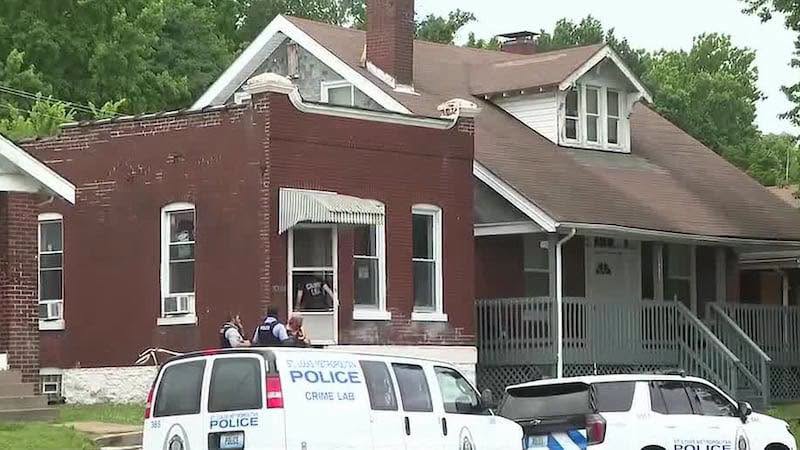
What Police Say Happened on North Broadway

Police said officers were called to a home in the 8400 block of North Broadway in St. Louis on 06/26/2026 after a report of a shooting. When officers arrived, they found seven-month-old Kiyomi Parker suffering from a gunshot wound. The baby was rushed to a local hospital, where she later died from her injuries.
Authorities later said a ten-year-old boy was taken into juvenile custody in connection with the shooting. Police said the boy was charged with first-degree murder through the juvenile court system. Because the accused child is a minor, many details about the court process may remain limited to protect juvenile privacy.
Why St. Louis Families Are Paying Attention
This case is not only a police story. It is a family safety story, a neighborhood story, and a warning for every household where children may come into contact with a firearm. For parents in St. Louis and across the country, the most painful part is how ordinary the setting appears to have been.
A child was inside a home, a baby was nearby, and police say a gun became part of the moment that ended the infant’s life. That is why the North Broadway address matters beyond a crime scene map. It places the tragedy in a real community where families live, raise children, walk to stores, wait for buses, visit relatives, and expect homes to be safer than the streets outside.
The Child Suspect and the Juvenile Court Question
Public reporting and state law indicate that the boy is expected to remain in the juvenile system due to his age. That does not make the charge small or the case less serious. It means the court process must balance accountability, public safety, the death of an infant, and the reality that the accused is still a child.
The Adult Charge Now Connected to the Case
The charges against the adult in the home add another layer to the case. Prosecutors allege that the adult’s conduct created a dangerous situation involving children and a firearm. Public reports say court documents describe a gun being kept under a mattress. Investigators also alleged that the boy knew where the gun was and had accessed it before the fatal shooting.
Those details, if proven in court, could become central to the case against the adult defendant. They also shift part of the public discussion away from only what the child allegedly did and toward what adults are required to do when firearms are kept around children.
A Grieving City and a Hard Lesson for Homes Everywhere
Kiyomi Parker’s death has left St. Louis with a grief that is hard to put into simple words. She was an infant, and her death now sits at the center of a case involving children, an adult caregiver, police, prosecutors, and a community searching for answers. For residents, the tragedy may feel especially heavy because it happened inside a home, not during a public confrontation.
That makes the safety lesson more personal for parents, grandparents, babysitters, relatives, and anyone who allows children inside a home where a weapon is present. Safe storage is not a political slogan in a case like this. It is the difference between a child being unable to reach a weapon and a family being destroyed in a single moment.
The coming court process may reveal more about what investigators believe happened before the shooting. Until then, the confirmed facts already point to a heartbreaking reality: a baby is dead, a child is accused, an adult faces serious charges, and a city is left asking how a home became the place where such a loss unfolded. The useful lesson for American families is direct and uncomfortable.
If a firearm is in a home with children, it must be secured in a way that children cannot access, cannot guess, and cannot defeat. No court outcome can bring Kiyomi Parker back. What can happen now is a deeper community conversation about responsibility, prevention, and the quiet safety decisions adults make before a crisis ever reaches a police call.