
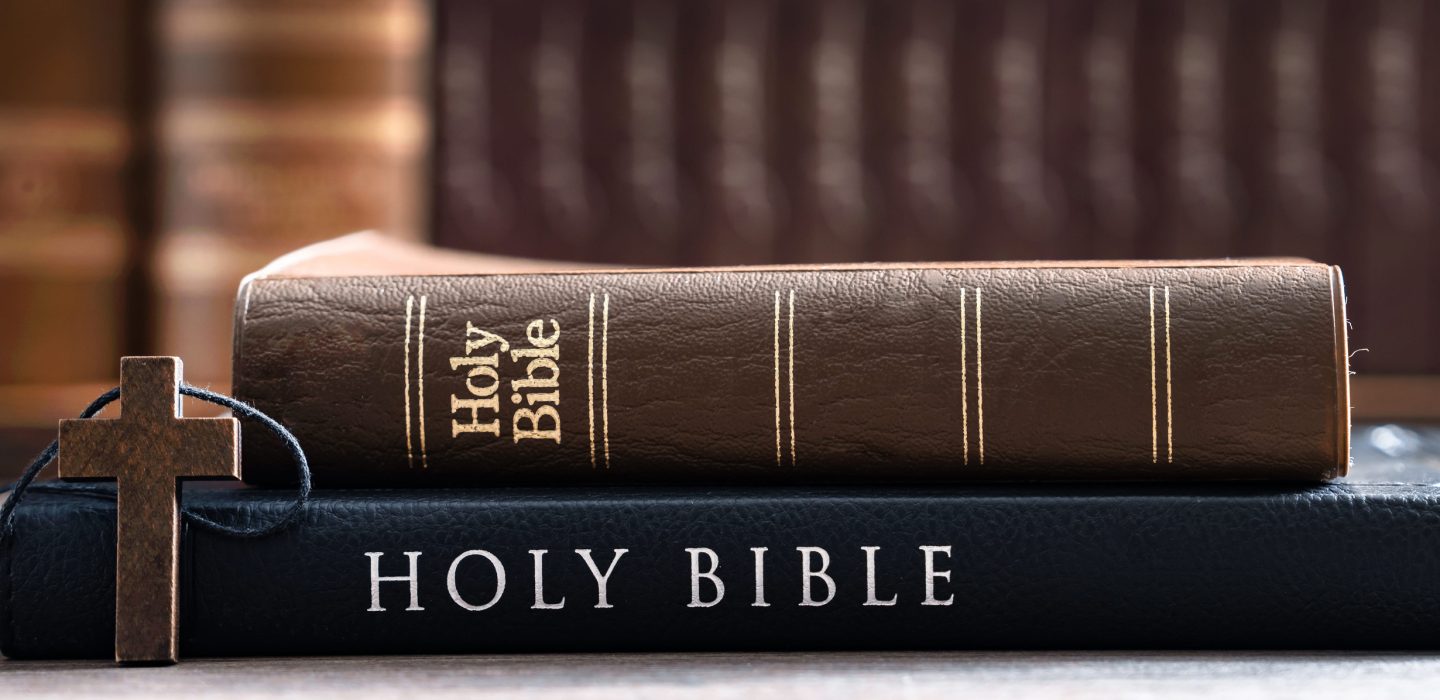

Texas has approved a required public school reading list that includes Bible stories, triggering a fierce debate over history, religion, teacher control, and classroom fairness. The fight over what children read in Texas classrooms has moved from the library shelf to the center of America’s church-and-state debate.
On June 26, 2026, the Texas State Board of Education approved a required reading list that places Bible stories and passages inside public school instruction for more than five million students. The decision is not only about a few religious texts. It is about who gets to define cultural literacy, how much power the state should have over classroom reading, and whether public schools can teach the Bible as literature without making non-Christian families feel pushed aside.
What Texas Approved
The Republican-controlled board approved the reading list in a 9 to 5 vote after weeks of public testimony and political pressure. The new requirements are expected to begin taking effect in 2030, giving schools several years to prepare lessons, materials, and teacher guidance.
The list is broad. It includes classic literature, children’s books, essays, and historical materials. But the Bible selections are what turned the vote into a national story. Elementary students will encounter familiar Bible stories such as David and Goliath and Daniel in the Lion’s Den. By later grades, students will read selected passages involving Jesus, Job, Adam and Eve, and the Prodigal Son.
Supporters say these works have shaped American culture, civic language, literature, and public life. Critics say the state has crossed from teaching about religion into giving Christianity a privileged seat in public classrooms.
Why Supporters Say This Is Cultural Literacy
Supporters of the Texas Bible reading mandate argue that students cannot fully understand American literature, political speeches, art, music, or historical references without knowing basic biblical stories. Their case is simple: the Bible has influenced Western culture, so students should understand its references the same way they study Shakespeare, Greek mythology, or founding era documents.
That argument has real weight in literary education. Many major writers have used biblical themes, symbols, and language. Public figures have also drawn from religious vocabulary in speeches about justice, sacrifice, freedom, and moral duty.
For conservative education advocates, the vote also represents a correction. They believe public schools have become too cautious about religion and too quick to erase Judeo-Christian influence from the story of the United States. To them, the reading list is not preaching. It is restoring context.
The problem is that context depends heavily on how teachers are trained to present it. A Bible story taught as literature is different from one taught as truth. In a public school classroom, that difference matters.
Why Critics See A Religious Preference
Opponents are not simply objecting to students learning that the Bible exists. Many critics say religion can and should be taught in public schools when it is handled academically, fairly, and with respect for multiple faith traditions.
Their concern is balance. The required list leans heavily on Christian texts and biblical narratives, while critics say other religious traditions receive little comparable treatment. In classrooms filled with Muslim, Hindu, Buddhist, Jewish, atheist, agnostic, and Christian students, that imbalance can feel less like education and more like endorsement.
The issue becomes sharper for younger children. A first- or fourth-grader may not easily distinguish literary symbolism from religious belief. If a teacher reads a Bible story in class, some children may hear it as a lesson about faith, not just a lesson about theme, character, or culture.
That is why the debate has become so emotional. Parents are not only arguing over books. They are arguing over the classroom’s moral atmosphere.
Teachers Now Face A Difficult Job
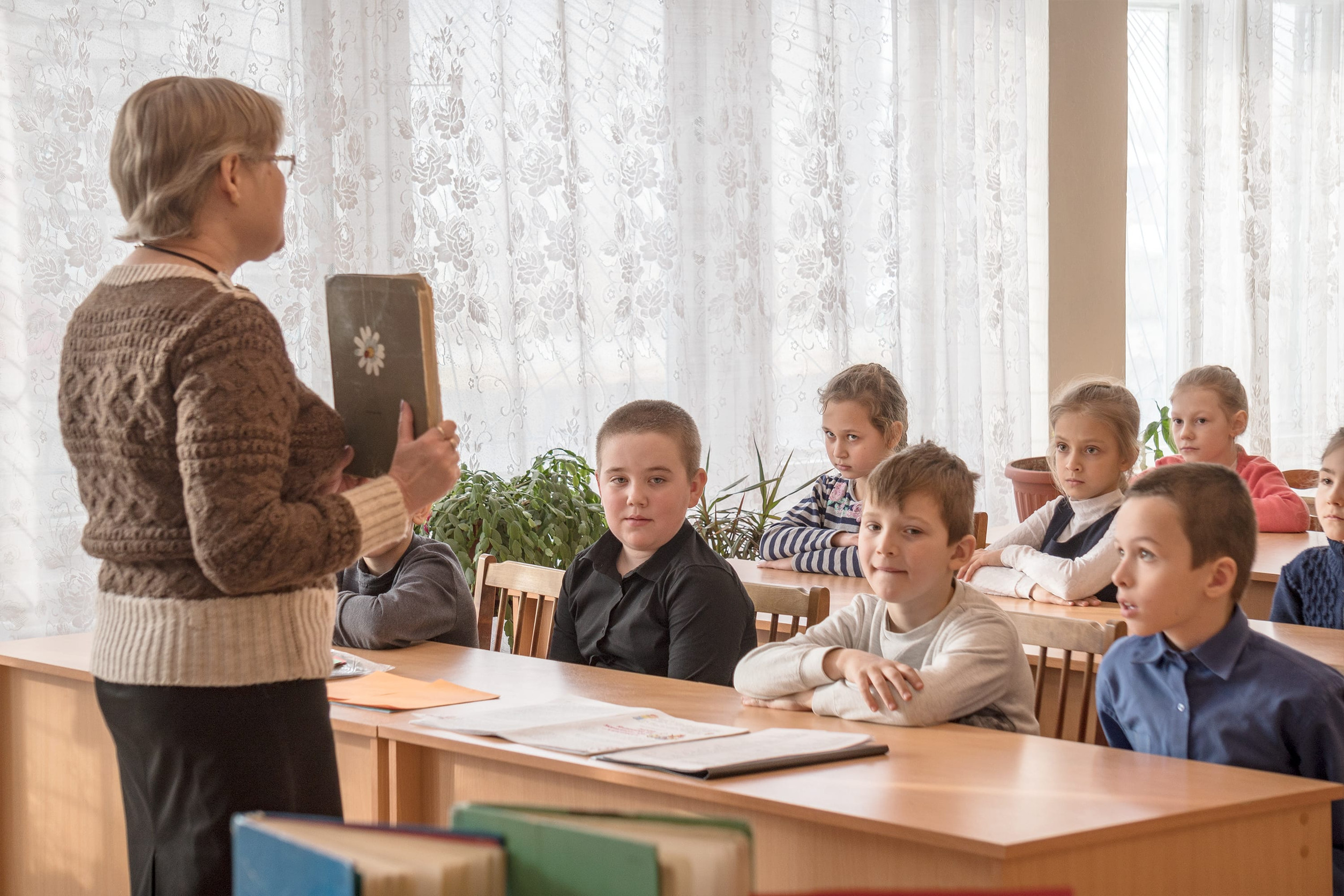
The mandate also raises a practical classroom question: how will teachers handle these texts without turning English class into a theological argument? Teachers already work under pressure from testing demands, parent complaints, book challenges, staffing shortages, and curriculum changes. Now, many will have to present Bible passages in a way that is academically clear, legally cautious, and sensitive to students from different backgrounds.
Supporters point out that Texas law allows parents to remove their children from lessons that conflict with religious or moral beliefs. But opt-out rules can create another problem. A child who leaves the room during a required reading may feel singled out. A teacher may also have to manage alternative assignments, parent questions, and class discussions about a topic that can quickly become personal.
The state says districts can still add local readings beyond the required list. That gives schools some flexibility. But the core message is clear: Texas has moved key reading decisions from local educators to a statewide mandate.
The Reading List Is Part Of A Bigger Texas Shift
This vote did not happen in isolation. Texas has already moved to place more religious language and imagery into public education. The state allowed districts to hire chaplains for student counseling, approved an optional Bible-infused curriculum, and required Ten Commandments displays in classrooms.
That larger pattern explains why this reading list is drawing national attention. Texas is not just another state changing a syllabus. It educates roughly one in ten public school students in the country, and its education fights often echo beyond state lines.
Publishers, curriculum companies, political groups, and other states watch Texas closely. When Texas changes what millions of students are required to read, the decision can influence debates elsewhere. Conservative lawmakers in other states may see the vote as a model. Civil liberties groups may see it as a warning.
Either way, the classroom is becoming one of the loudest fronts in America’s culture wars.
The Legal Fight May Not Be Over
The central legal question is whether Texas can require Bible readings as part of a neutral educational curriculum without violating constitutional limits on government promotion of religion. Public schools are allowed to teach about religion. They can cover religious influence in history, literature, music, law, and culture. What they cannot do is pressure students into religious belief or favor one faith over others.
Texas officials and supporters will likely argue that the Bible materials are being used for literary and historical purposes. Opponents will likely argue that the selections, structure, and political context show a preference for Christianity.
That distinction could shape any future legal challenge. The outcome may depend on how the curriculum is written, how teachers are trained, how lessons are delivered, and whether students from other religious backgrounds are treated with equal respect.
What Parents Should Watch Next
For Texas families, the most important question is what happens before 2030. The vote starts a long implementation period, not an overnight classroom change. Parents should watch how districts explain the new requirements, what teacher training looks like, how opt-out procedures are handled, and whether schools add readings from other religious and cultural traditions to provide balance.
The state has approved the framework. The classroom reality will be shaped by principals, teachers, district leaders, and parents who must turn a political decision into daily instruction.
The Texas Bible reading mandate will be celebrated by some families as a return to cultural roots and criticized by others as a step toward religious favoritism in public schools. Both reactions show how powerful the classroom has become in America’s fight over identity, history, and belonging.
The hardest part now belongs to teachers. They will be expected to walk a narrow line between literature and faith, history and belief, cultural knowledge and religious pressure. If Texas wants this policy to survive public scrutiny, it must prove that every child in the room can learn without feeling that the state has chosen someone else’s religion over their own.


