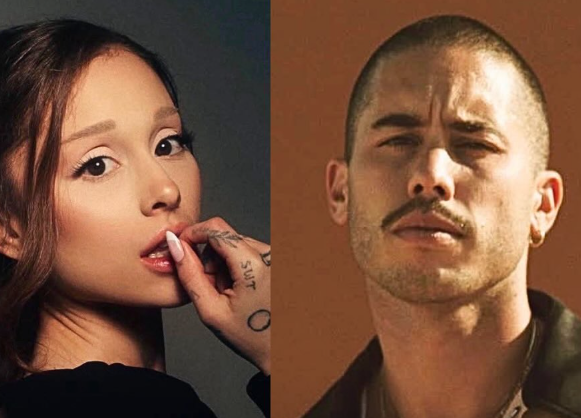
Ariana Grande’s song “Bye” became the unlikely epicenter of a political and cultural clash when the White House used it in a TikTok video showcasing Immigration and Customs Enforcement arrests. The video, intended to highlight the Trump administration’s border enforcement, paired her pop hit with footage of detained individuals, creating a jarring tension between entertainment and policy.
Grande’s response was swift and unambiguous. In the TikTok comments, she denounced the video, stating her music should not be associated with what she described as “barbaric, inhumane, heinous nonsense,” explicitly condemning ICE. This public objection elevated a brief social media clip into a national conversation about music, consent, and government messaging.
The White House pushed back. Spokesperson Abigail Jackson argued that the real cruelty, in her view, stemmed from undocumented individuals accused of violent crimes against Americans.
The exchange, amplified across news outlets and social media, became more than a dispute over a song, it was a vivid illustration of how celebrity influence and political communication collide in the digital age.
The White House TikTok That Ignited Controversy

The video posted on TikTok featured ICE officers detaining multiple individuals, overlaid with Grande’s 2024 hit “Bye.” The caption read, “Bye-bye. President Trump has delivered the most secure border in history,” framing the enforcement operations as a policy triumph. By using a catchy pop song, the administration aimed to make the content more engaging, but it also inadvertently attached the weight of Grande’s cultural identity to a highly charged political message.
What may have been intended as a brief, viral clip immediately raised questions about whether a pop song can be used ethically or legally to convey a government message, particularly without the artist’s consent.
Music is not just sound; it carries meaning, emotional resonance, and public association. For many viewers, the upbeat track stood in stark contrast to the serious imagery of arrests, creating a sense of cognitive dissonance that fueled widespread discussion.
Ariana Grande’s Public Response

Grande’s comment was short but pointed. By directly addressing the White House on the same platform where the video appeared, she ensured her objection reached both the administration and millions of social media users.
Her language was deliberately stark, emphasizing moral opposition over legal arguments, highlighting the artist’s refusal to allow her work to be repurposed for enforcement messaging she finds objectionable.
This reaction demonstrates the new power dynamics of celebrity on social media. A single comment from a prominent figure can redirect the narrative of a government post and catalyze national attention within hours. In this instance, the comment reframed the TikTok as a policy statement rather than a debate over ethics, consent, and cultural ownership.
The White House Pushback
Abigail Jackson’s defense shifted focus from music rights to enforcement policy, framing ICE’s operations as justified actions against dangerous individuals. This approach underscored the administration’s perspective: the video was intended to communicate border security accomplishments, not to provoke artists.
However, by framing the debate around crime and safety, the White House also intensified the cultural clash, pitting celebrity activism against governmental messaging.
The dispute reflects broader tensions in modern communication strategies. Political accounts increasingly rely on entertainment formats to reach audiences. Yet, this same approach can backfire when cultural icons reject the messaging, turning a viral engagement strategy into a public controversy.
The Broader Context of Artist Objections
Grande’s confrontation is part of a long history of artists objecting to the use of their work in political contexts. Beyoncé’s “Freedom,” Celine Dion’s “My Heart Will Go On,” Bruce Springsteen’s “Born in the U.S.A.,” and Sabrina Carpenter’s music have all been repurposed by political entities without consent, sparking public disputes. In each case, artists emphasized that their music does not equate to endorsement of specific policies or political figures.
These conflicts highlight the inherent tension between popular culture and political messaging. While campaigns or government accounts may see music as a tool for engagement, the artist retains moral and cultural authority over how their work is represented. Public objections serve both to protect artistic identity and to influence perception, particularly in a media ecosystem dominated by social sharing.
Social Media Amplification and Rapid Response
TikTok, by design, accelerates cultural feedback loops. Unlike traditional media, where disputes unfold over days or weeks, platforms like TikTok allow real-time interaction and viral amplification. Grande’s comment became a focal point of the story, with screenshots and reactions spreading across Twitter, Instagram, and news outlets. This immediacy reinforces the idea that the soundtrack of a political message can become as influential as the message itself.
The subsequent removal or muting of the audio from the video demonstrated the practical impact of celebrity objection. Even without formal legal action, rapid public response forced a change in the content, illustrating how social media dynamics have altered the balance of power between artists and political communicators.
Why ICE Imagery Made the Video Explosive
The use of Grande’s music over ICE arrest footage was particularly potent because immigration enforcement is already a highly divisive issue. For supporters, the video represented law enforcement and border security achievements. For critics, the video symbolized family separations and the dehumanization of migrants.
By combining pop music with enforcement imagery, the administration unintentionally heightened the moral and emotional stakes, giving Grande’s objection additional resonance.
The juxtaposition of an upbeat, catchy song with real-world enforcement scenes created a dissonance that amplified public reaction. Audiences could not ignore the ethical implications, and the controversy quickly expanded beyond entertainment reporting into discussions of policy, human rights, and the limits of political messaging.
Celebrity Influence and Cultural Significance
Grande’s history of political engagement contributed to the impact of her objection. Her support for Democratic candidates, vocal criticism of Trump administration policies, and participation in advocacy events lent credibility and weight to her public stance. Fans and media interpreted her comment not as an isolated opinion but as part of a consistent pattern of civic engagement.
This incident underscores the unique influence of celebrity voices in modern political discourse. When high-profile artists intervene, they can shift attention, redefine narratives, and prompt institutional responses that go far beyond the content of a single post.
Legal and Ethical Implications
While copyright and licensing issues are complex, the heart of this clash revolves around ethical and cultural considerations. Music carries meaning, emotional context, and public association. Using an artist’s work in a political video without consent raises questions about implied endorsement, reputational impact, and artistic control.
Even when platforms or political accounts have partial licenses, synchronization rights and specific message alignment remain sensitive areas. Public objection functions as a corrective mechanism, signaling that certain uses may be inappropriate, even if technically permitted.
The Ariana Grande, White House TikTok clash illustrates the intersection of pop culture, policy, and social media in 2026. A three-minute song became a national conversation about immigration, artist consent, and the ethical use of cultural content in political messaging. The sequence, from posting, objection, amplification, defense, to audio removal, highlights how rapidly public discourse can evolve in the digital age.
Political communicators now navigate a landscape where music and celebrity are powerful tools, but also potential liabilities. Artists, in turn, wield immediate influence to protect the meaning and context of their work. Grande’s objection demonstrates that even a pop song can serve as a battleground in cultural and policy debates.