Tattoos can be beautiful, bold, rebellious, sentimental, spiritual, or simply fun. They can honor a loved one, mark a new chapter, cover an old scar, or turn plain skin into a walking piece of art. But before the needle touches your body, there are a few truths worth knowing.
Getting inked is not the same as buying a new jacket or changing your hairstyle. A tattoo breaks the skin, places pigment below the surface, and creates a mark that may follow you for decades. That does not mean tattoos are bad. It means they deserve more thought than a late-night impulse and a Pinterest screenshot.
Your Skin Is Being Wounded On Purpose

microgen/123rf Photos
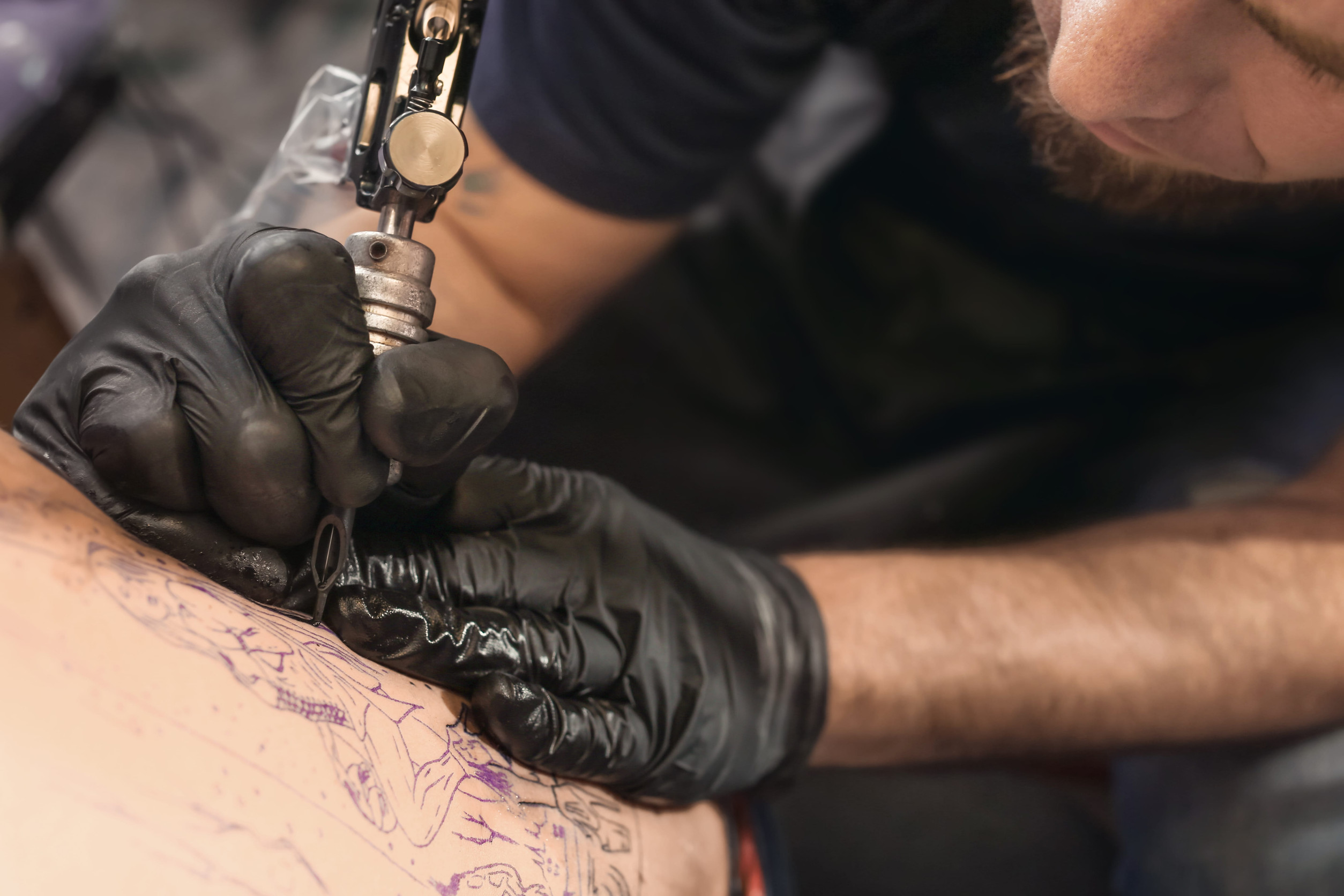
A tattoo may look smooth when it heals, but the process is not gentle. A tattoo machine uses needles that repeatedly puncture the skin, depositing ink into the dermis. That means your body treats the artwork like an injury before it ever treats it like decoration.
This is why swelling, tenderness, redness, and peeling can happen during healing. Your skin is not being dramatic. It is trying to repair thousands of tiny punctures while holding foreign pigment in place. The bigger the tattoo, the more your body has to manage.
Dirty Tools Can Turn Art Into A Medical Problem
A clean studio is not a luxury. It is the bare minimum. Tattooing involves blood, broken skin, needles, gloves, ink caps, razors, surfaces, and machines that must be handled with serious care.
When hygiene fails, the risks rise fast. Unsterile needles or reused supplies can expose people to dangerous infections. Even a beautiful design can become a nightmare if the environment behind it is careless.
Tattoo Ink Can Be The Hidden Problem

Most people worry about the needle, but the ink itself can also cause trouble. Contaminated ink has been linked to infections, even when the artist appears careful. That is scary because ink goes directly into broken skin.
The problem can come from bacteria, mold, poor manufacturing, bad storage, or unsafe dilution practices. Some people assume unopened bottles are automatically safe, but contamination can happen before the ink ever reaches the studio.
Allergic Reactions Can Show Up Later
A tattoo can heal well at first and still cause problems later. Some allergic reactions do not appear immediately. They may show up weeks, months, or even years after the tattoo is done.
Red ink is often discussed because some people react badly to certain red pigments, but reactions can happen with other colors, too. Symptoms may include itching, swelling, bumps, rash, or raised areas around the tattoo.
Your Body May Carry Ink Beyond The Tattoo

Here is the strange part that many people never hear. Tattoo pigment does not always stay perfectly locked in the skin. Tiny particles can move through the body and may end up in nearby lymph nodes.
That does not mean everyone with a tattoo is in danger. It does mean tattoo ink is not as simple as paint sitting on the surface. Your immune system interacts with that pigment long after the appointment ends.
Removal Is Harder Than Regret
People often say tattoos are permanent, but that warning does not fully land until regret arrives. Laser removal exists, but it is not magic. It can be painful, expensive, slow, and imperfect.
Some tattoos need many sessions. Some colors respond better than others. Some designs fade unevenly. Some people are left with ghost marks, changes in texture, or scarring after removal attempts.
Placement Can Change Your Future Options
Where you place a tattoo matters more than many people admit. A small wrist tattoo, a neck piece, a hand design, or a face tattoo can affect how strangers judge you before you even speak.
That may not be fair, but it is real. Some workplaces are more open than others, while some industries still care about visible tattoos. Your tattoo may feel personal, but the world may still read it publicly.
Healing Can Make Or Break The Tattoo
The tattoo is not finished when you leave the studio. Healing is part two of the process, and it can determine whether your ink looks crisp or damaged. This is where many people get careless.
Picking scabs, swimming too soon, using the wrong products, exposing fresh ink to the sun, or wearing tight clothing over the area can create problems. Even sleeping on a fresh tattoo can irritate it if you are not careful.
Conclusion
Before you get inked, study the studio, question the artist, understand the ink, respect the healing process, and think hard about the design. A good tattoo should not come from pressure, boredom, heartbreak, alcohol, or a desperate need to feel different overnight.
The best tattoos age well because the person chose them with a clear mind. Ink can tell a story, but your skin should not become the place where rushed decisions live forever. Think first, ask questions, and make sure the version of you getting tattooed is also protecting the version of you who has to wear it later.