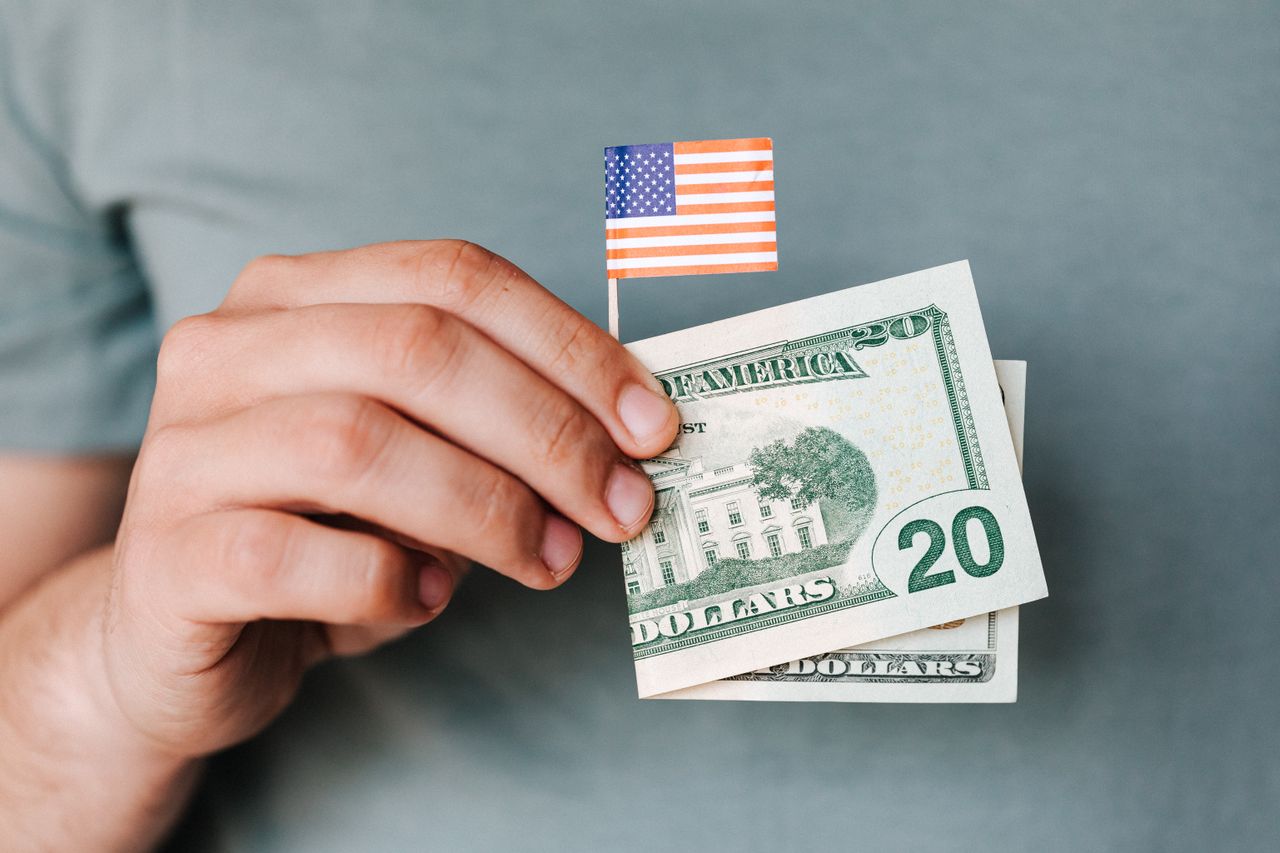
Extreme Coupon Obsession
In the United States, hunting for the deepest discount can turn into a full-time activity. Stacking multiple coupons on a single product or waiting weeks for a sale might seem practical at home, but may seem excessive abroad. Many foreigners cannot fathom dedicating hours to save a few dollars on groceries.
The process often involves meticulous planning, clipping, and organizing coupons by expiration date and store policy. This obsessive approach to saving money is admired domestically but can feel obsessive and comical to outsiders. It highlights a lifestyle in which the thrill of a bargain takes priority over convenience.
Reusing Plastic Bags Repeatedly
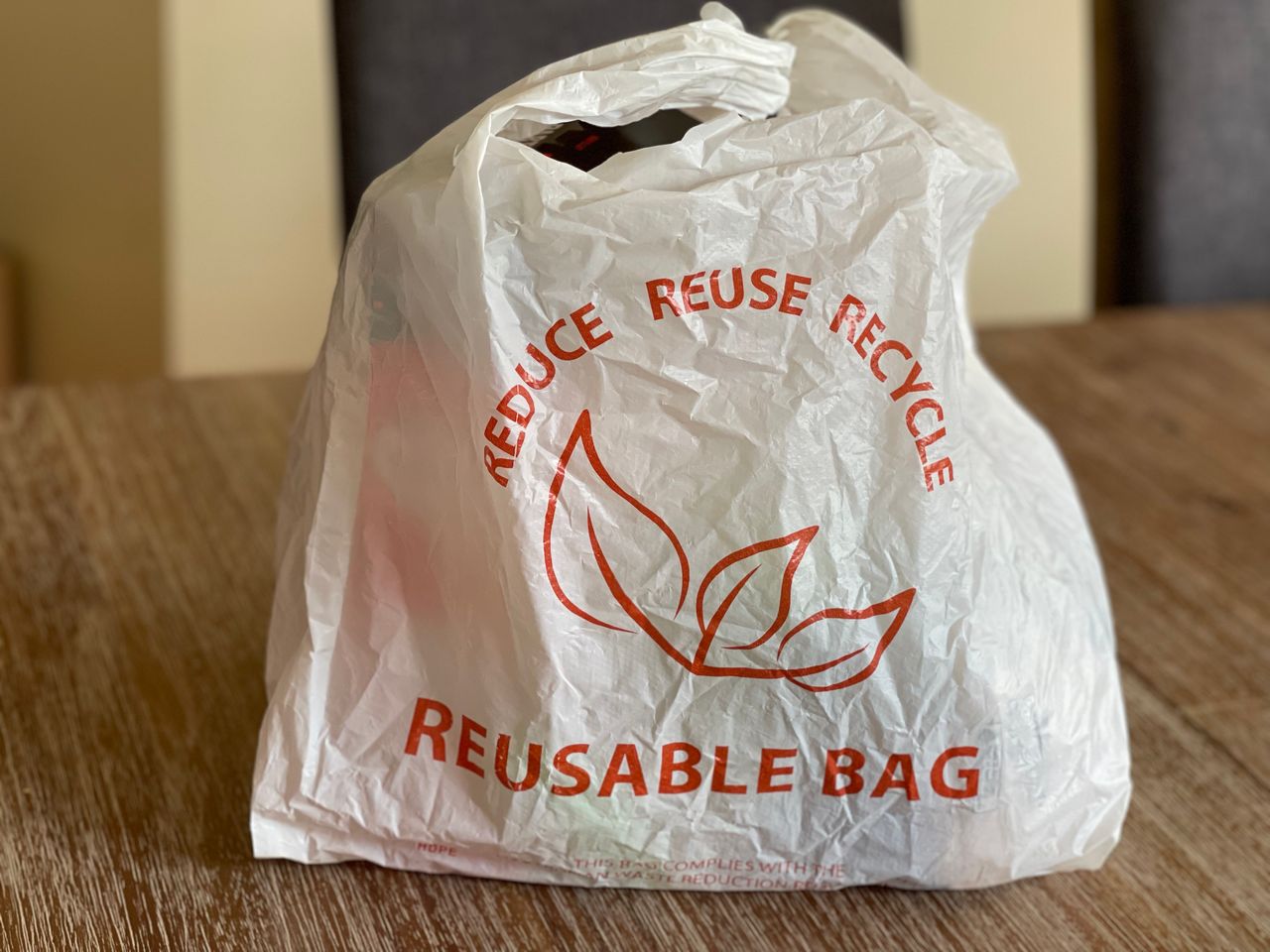
Carrying grocery bags from home is a hallmark of American thriftiness. While environmentally conscious, some go to extreme lengths, reusing bags until they are barely holding their contents. In other countries, this habit is often seen as unnecessary and even unsanitary.
People may stuff multiple bags inside each other or repurpose them for trash and storage, seeing it as a clever way to extend their life. The practice is practical but can appear strange or even gross to those unaccustomed to such dedication to every single bag. Americans embrace this routine with pride, turning a small saving into a consistent lifestyle habit.
Cooking Every Meal at Home

Many Americans avoid dining out to save money, preparing every meal from scratch instead. This includes elaborate meal prep and bulk cooking to reduce costs. Outsiders might find it odd that social dining is sometimes sacrificed for financial prudence.
The commitment to homemade meals reflects a culture where home cooking is seen as essential to frugality. Even when affordable dining options exist, Americans often stick to their kitchens, highlighting a disciplined yet peculiar approach to food. For those abroad, it seems like a social sacrifice that borders on obsessive.
Reusing Old Clothing and Shoes
Thrift shopping and extending the life of clothing are common American habits. Worn shoes and patched clothes are often seen as practical rather than fashionable. Many foreigners cannot understand why someone would choose function over style for years on end.
This behavior extends to repairing items rather than buying replacements, demonstrating a commitment to financial restraint. While sustainable and economical, it often draws amusement from those who value appearance over savings. Americans perceive this as smart and responsible, even if others consider it unusual.
DIY Home Repairs
Americans often attempt home repairs themselves to avoid paying professionals. From plumbing to minor electrical work, DIY can be a point of pride and a way to cut expenses. Outsiders might view this as risky or unnecessarily laborious.
The practice reflects a culture of self-reliance and resourcefulness in financial matters. While effective at reducing costs, it can create situations that others would rather pay to avoid. The dedication to learning and performing repairs is impressive but seems extreme to those unfamiliar with the habit.
Buying Bulk and Storing for Years

Stocking up on essentials in bulk is a frequent tactic for saving money. Americans often buy large quantities of food or household goods and store them for months. In other countries, this level of accumulation can be seen as wasteful or obsessive.
The strategy allows people to take advantage of discounts and reduce shopping frequency. While practical for some, it may seem excessive to those who prefer smaller, more frequent purchases. This frugal approach reveals a mindset in which planning ahead takes precedence over daily convenience.
Avoiding Paid Entertainment
Many Americans skip movies, concerts, and other paid activities in favor of free alternatives. Parks, local events, and homemade entertainment become primary sources of leisure. To outsiders, this might seem limiting and even boring.
The habit emphasizes financial prudence over social or cultural experiences. Americans value enjoying life without spending heavily, yet this contrasts with the lifestyle choices of people in countries where entertainment is central. This careful budgeting of fun often raises eyebrows abroad.
Extreme Discount Hunting Online

Online shopping is often dominated by deals, promo codes, and flash sales. Americans spend hours researching the lowest price for even basic items. International observers find it peculiar that digital thriftiness is pursued so intensely.
From waiting for special shipping offers to comparing multiple platforms, this habit requires patience and determination. While effective for savings, it appears obsessive and stressful to those unfamiliar with such strategies. The digital dedication to frugality is as much a lifestyle as it is a financial tactic.
Final Thoughts
American frugal habits reflect a culture obsessed with saving money in ways that the rest of the world often finds strange or excessive. From coupon obsession to DIY repairs and extreme online deal hunting, these behaviors show commitment, creativity, and sometimes a willingness to sacrifice convenience or style for financial benefit. While these habits can inspire careful budgeting and sustainable living, they also reveal why Americans are frequently the targets of ridicule abroad.
The world may laugh at these peculiar practices, but they underscore a lifestyle in which thriftiness and resourcefulness are elevated to an art form. Americans continue to embrace these habits, showing that financial discipline can sometimes appear weird, alarming, and fascinating all at once. Observers might mock the methods, but the results often speak for themselves, shaping a distinctive culture around everyday saving.