


Americans are feeling it, even if they don’t realize why. A simple grocery trip, buying shoes, or even ordering online can now cost more than it did last year. Prices are creeping up quietly, almost invisibly, and it’s linked to trade policies happening far away in Washington.
This isn’t just politics; it’s real money leaving your wallet. Read on to understand how Trump’s Tariff Push is subtly reshaping what you pay every day, and why skipping that morning coffee or sale item doesn’t solve the problem.
Groceries Get Squeezed

Food is where Americans feel price pain fastest because nobody can simply skip eating. Tariffs can raise the cost of imported foods like coffee, fruit, seafood, spices, oils, and pantry items that many families buy without a second thought.
Even food grown in the United States can carry hidden import costs because farms and food companies use imported machinery, fertilizer inputs, packaging, cans, bottles, labels, and processing equipment.
That means the price of a box of cereal, a frozen dinner, or a bag of apples can reflect more than the food inside it. It can reflect a long chain of costs that began far away from the grocery aisle.
Clothes Cost More
Clothing is another quiet pressure point because so much of what Americans wear depends on global supply chains. Shirts, jeans, sneakers, socks, coats, underwear, handbags, uniforms, backpacks, and school clothes often come from overseas factories or use imported materials.
When tariffs raise import costs, brands and retailers face an ugly choice. They can raise prices, cut quality, shrink discounts, or absorb the hit and lose profit. Most companies don’t absorb those costs forever. Sooner or later, the shopper pays.
Car Repairs Sting Harder

Cars are already expensive to buy, insure, fuel, and maintain. Tariffs can make that burden even heavier because modern vehicles rely on imported parts, metals, electronics, chips, batteries, sensors, tires, and specialized components. Even a car assembled in America may include parts from several countries.
That means a tariff on imported auto parts or materials can show up inside the repair estimate long before a driver understands why the bill jumped. A broken sensor, brake component, battery part, or electronic module can suddenly feel like a luxury item.
This hits working Americans especially hard because many people depend on their cars to get to work, school, medical appointments, and grocery stores. When repair bills rise, families often delay maintenance. That delay can create a bigger problem later.
Home Goods Lose Value
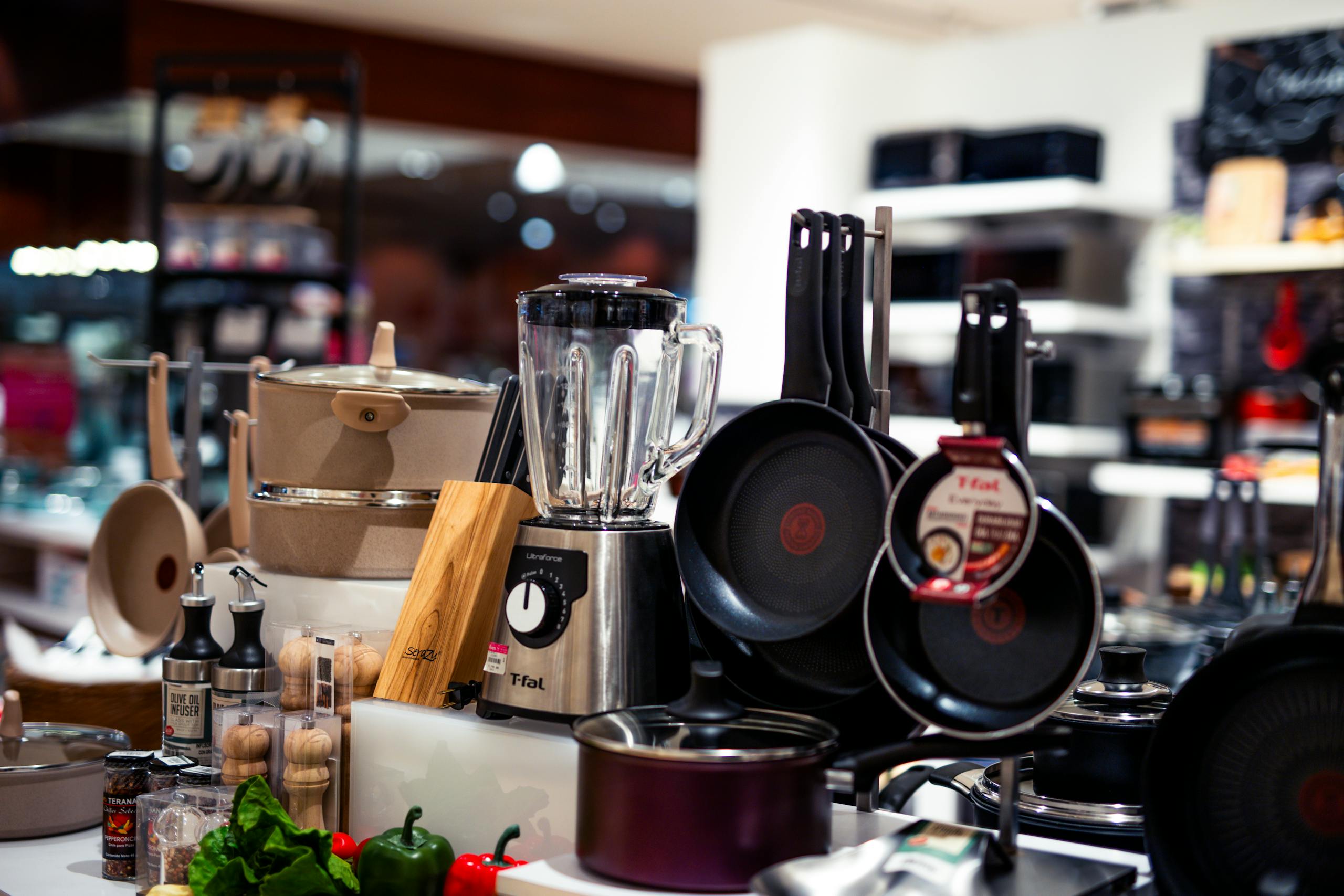
Furniture, appliances, tools, kitchen items, bedding, décor, electronics, and home repair supplies can all be subject to tariff pressure. Many of these goods come from overseas or depend on imported materials like steel, aluminum, wood products, fabric, plastic parts, motors, wiring, and glass.
A sofa may look simple, but its supply chain may stretch across multiple countries. A refrigerator may sit in an American store, but its parts may be sourced from global suppliers, incurring costs. A power drill, light fixture, or washing machine part can tell the same story.
This matters because home spending often happens at the worst possible time. Nobody wants to replace a refrigerator just because it’s fancy. They replace it because the old one dies.
Online Bargains Fade

For years, online shopping has trained Americans to expect cheap goods with fast or low-cost shipping. A phone case, kitchen gadget, toy, beauty tool, craft supply, charger, or novelty item could arrive at the door for a shockingly low price. Tariff changes and tighter rules on low-value imports can weaken that bargain magic.
Sellers may raise prices, add fees, increase shipping minimums, slow delivery, or pull some products from the U.S. market.
That means the tiny item that once felt like a harmless impulse buy may no longer look like such a deal at checkout. This shift can change how Americans shop.
What Americans Can Do Now
Families can’t control trade policy from the checkout line, but they can control how they respond. Start by treating everyday spending like a strategy, not a habit. Compare unit prices at the grocery store.
Buy fewer low-quality items. Repair what’s worth saving. Shop seasonal sales. Use secondhand markets for clothes, furniture, and tools. Delay impulse online orders by 24 hours and see if the urge passes.
Small choices won’t erase national price pressure, but they can protect a household budget from unnecessary damage. That matters because the real fight isn’t just about tariffs. It’s about keeping more control over your money when the economy keeps finding new ways to test your patience.
Conclusion
Trump’s tariff push may sound like a fight over trade, factories, and foreign competition, but its quiet impact can land in the most ordinary places. It can show up in a grocery cart, a child’s school shoes, a car repair estimate, a broken appliance, or a once-cheap online order.
That’s what makes it so frustrating for everyday Americans. The cost doesn’t always announce itself. It just blends into the price of living.
Still, shoppers aren’t helpless. A smarter cart, a slower click, a second repair quote, and a better buying plan can all help families push back.
Tariffs may make everyday life more expensive, but careful spending can keep the damage from becoming a full-blown budget disaster.


