


Americans are feeling it, even if they don’t realize why. A simple grocery trip, buying shoes, or even ordering online can now cost more than it did last year. Prices are creeping up quietly, almost invisibly, and it’s linked to trade policies happening far away in Washington.
This isn’t just politics; it’s real money leaving your wallet. Read on to understand how Trump’s Tariff Push is subtly reshaping what you pay every day, and why skipping that morning coffee or sale item doesn’t solve the problem.
Groceries Get Squeezed

Food is where Americans feel price pain fastest because nobody can simply skip eating. Tariffs can raise the cost of imported foods like coffee, fruit, seafood, spices, oils, and pantry items that many families buy without a second thought.
Even food grown in the United States can carry hidden import costs because farms and food companies use imported machinery, fertilizer inputs, packaging, cans, bottles, labels, and processing equipment.
That means the price of a box of cereal, a frozen dinner, or a bag of apples can reflect more than the food inside it. It can reflect a long chain of costs that began far away from the grocery aisle.
Clothes Cost More
Clothing is another quiet pressure point because so much of what Americans wear depends on global supply chains. Shirts, jeans, sneakers, socks, coats, underwear, handbags, uniforms, backpacks, and school clothes often come from overseas factories or use imported materials.
When tariffs raise import costs, brands and retailers face an ugly choice. They can raise prices, cut quality, shrink discounts, or absorb the hit and lose profit. Most companies don’t absorb those costs forever. Sooner or later, the shopper pays.
Car Repairs Sting Harder

Cars are already expensive to buy, insure, fuel, and maintain. Tariffs can make that burden even heavier because modern vehicles rely on imported parts, metals, electronics, chips, batteries, sensors, tires, and specialized components. Even a car assembled in America may include parts from several countries.
That means a tariff on imported auto parts or materials can show up inside the repair estimate long before a driver understands why the bill jumped. A broken sensor, brake component, battery part, or electronic module can suddenly feel like a luxury item.
This hits working Americans especially hard because many people depend on their cars to get to work, school, medical appointments, and grocery stores. When repair bills rise, families often delay maintenance. That delay can create a bigger problem later.
Home Goods Lose Value
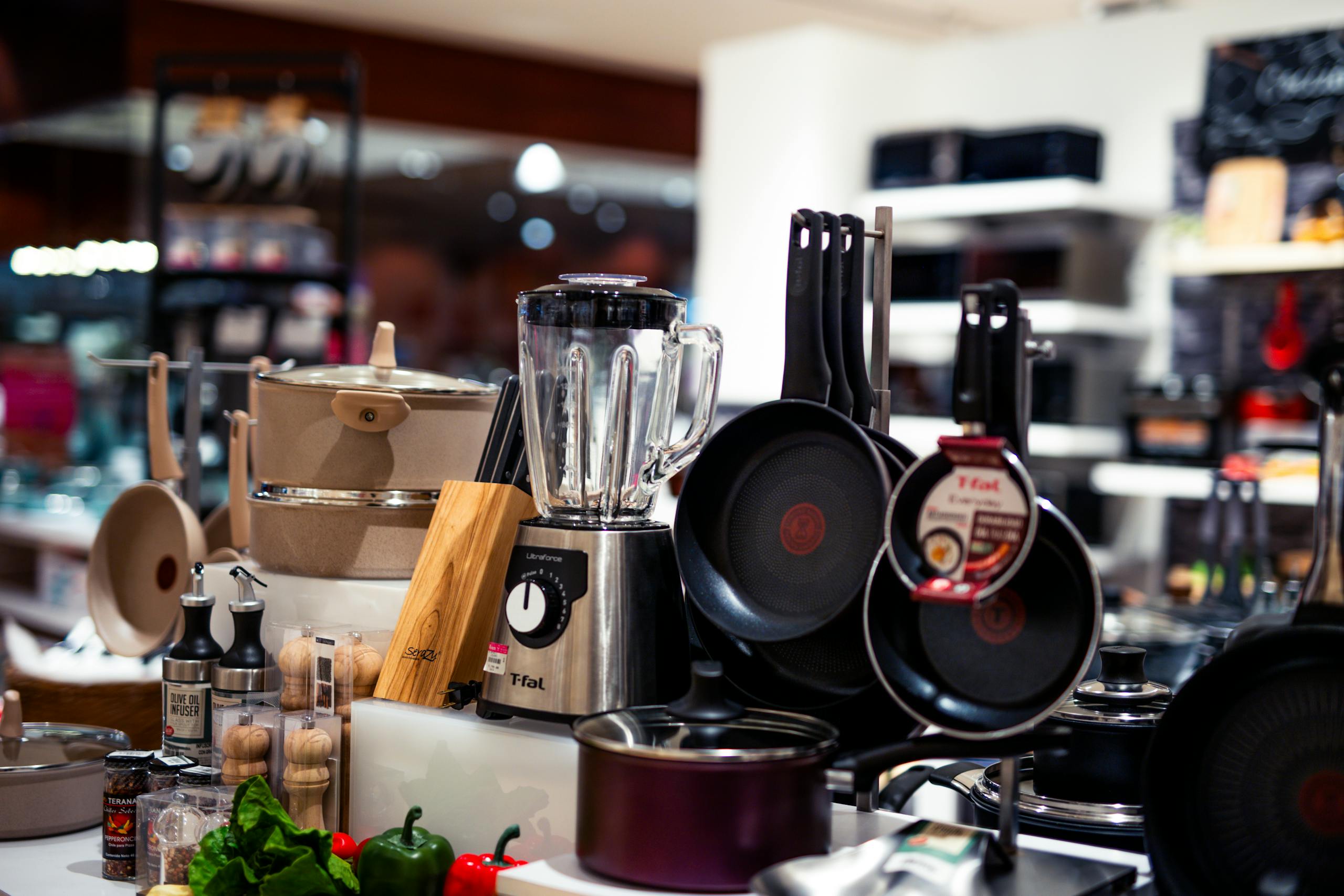
Furniture, appliances, tools, kitchen items, bedding, décor, electronics, and home repair supplies can all be subject to tariff pressure. Many of these goods come from overseas or depend on imported materials like steel, aluminum, wood products, fabric, plastic parts, motors, wiring, and glass.
A sofa may look simple, but its supply chain may stretch across multiple countries. A refrigerator may sit in an American store, but its parts may be sourced from global suppliers, incurring costs. A power drill, light fixture, or washing machine part can tell the same story.
This matters because home spending often happens at the worst possible time. Nobody wants to replace a refrigerator just because it’s fancy. They re