

We often think of our homes as safe spaces, but hidden within them are germ-filled areas that can be silently putting your health at risk. From the kitchen to the bathroom, seemingly harmless spots harbor bacteria, viruses, and allergens that can lead to infections and respiratory issues. It’s time to address these overlooked germ hotspots before they do damage.
Here’s a rundown of eight areas in your home you should never ignore, because neglecting them could cost you your health.
The Kitchen Sink

The kitchen sink is one of the dirtiest places in the home and is often overlooked in regular cleaning routines. Between food particles, water, and soap, it’s the perfect environment for harmful bacteria like E. coli and Salmonella to thrive. In fact, some studies have shown that your kitchen sink can be more contaminated than your toilet.
Bathroom Faucets
Every time you turn on the tap to wash your hands or face, you’re touching bathroom faucets, which are prime spots for germ buildup. These faucets harbor germs such as Staphylococcus and Streptococcus, which are often transferred from your hands to their surfaces. When you touch the faucet with dirty hands, it becomes a silent vector for bacteria, spreading illness through your household.
Your Smartphone
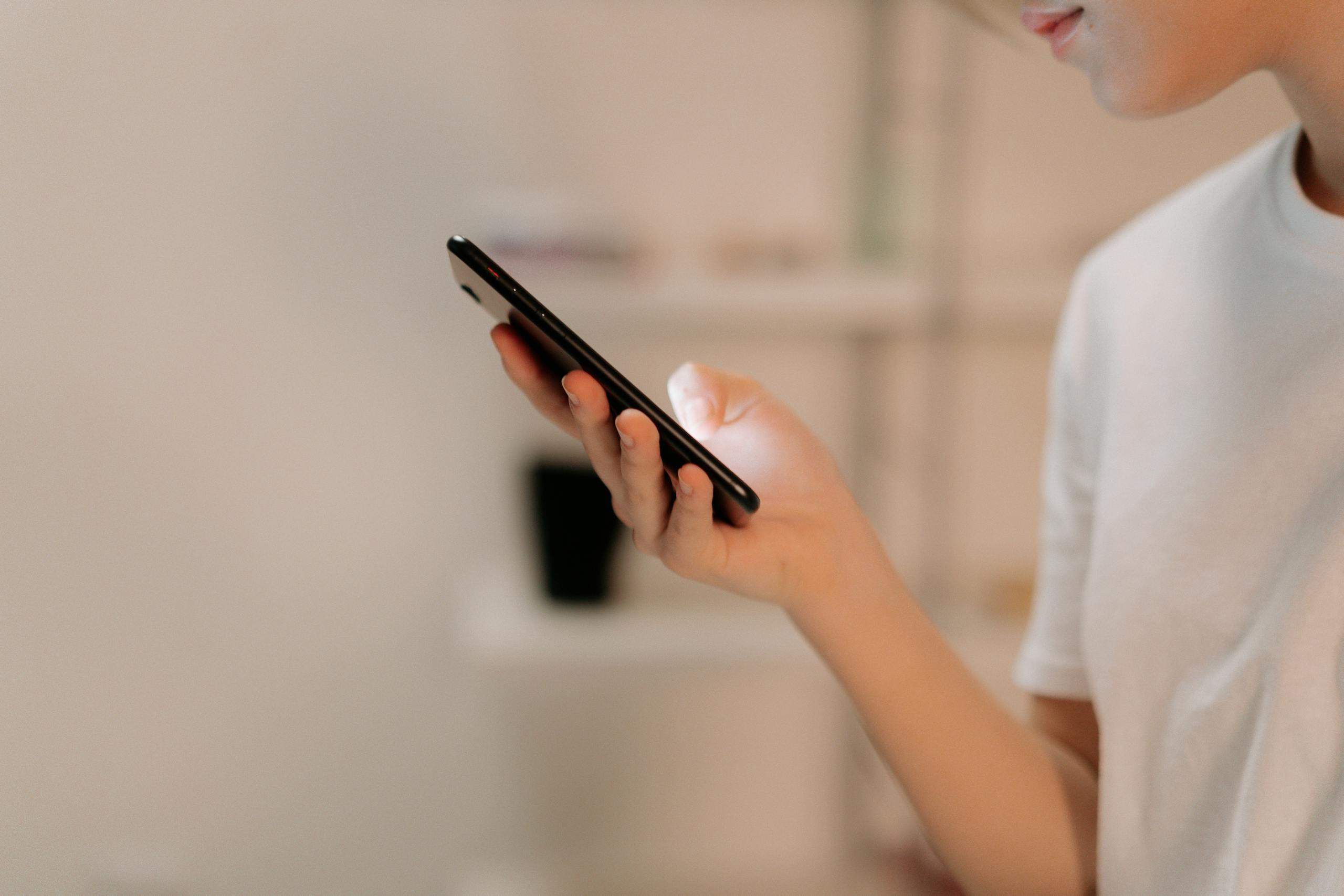
Your phone is with you everywhere, whether you’re in the kitchen, bathroom, or on public transport. It’s no surprise that smartphones are germ magnets, harboring as much bacteria as a toilet seat. Touching your phone after handling food, touching dirty surfaces, or using it in public places exposes it to countless pathogens. Germs like Streptococcus and Staphylococcus can easily transfer to your device.
Light Switches
Light switches are another highly neglected yet frequently touched item in your home. Every time you enter or exit a room, you’re touching these switches, transferring germs from one place to another. Whether it’s cold viruses or bacteria like Staphylococcus, these switches are a breeding ground for illness-causing pathogens.
The Bathroom Floor

The bathroom floor is constantly exposed to dirt, moisture, and bacteria. Whether it’s from splashes around the toilet, damp towels, or dirty shoes, the bathroom floor can become a germ hotspot that’s often overlooked. Bacteria like E. coli and fungi thrive in the humid, warm environment of the bathroom, especially around the toilet and sink areas.
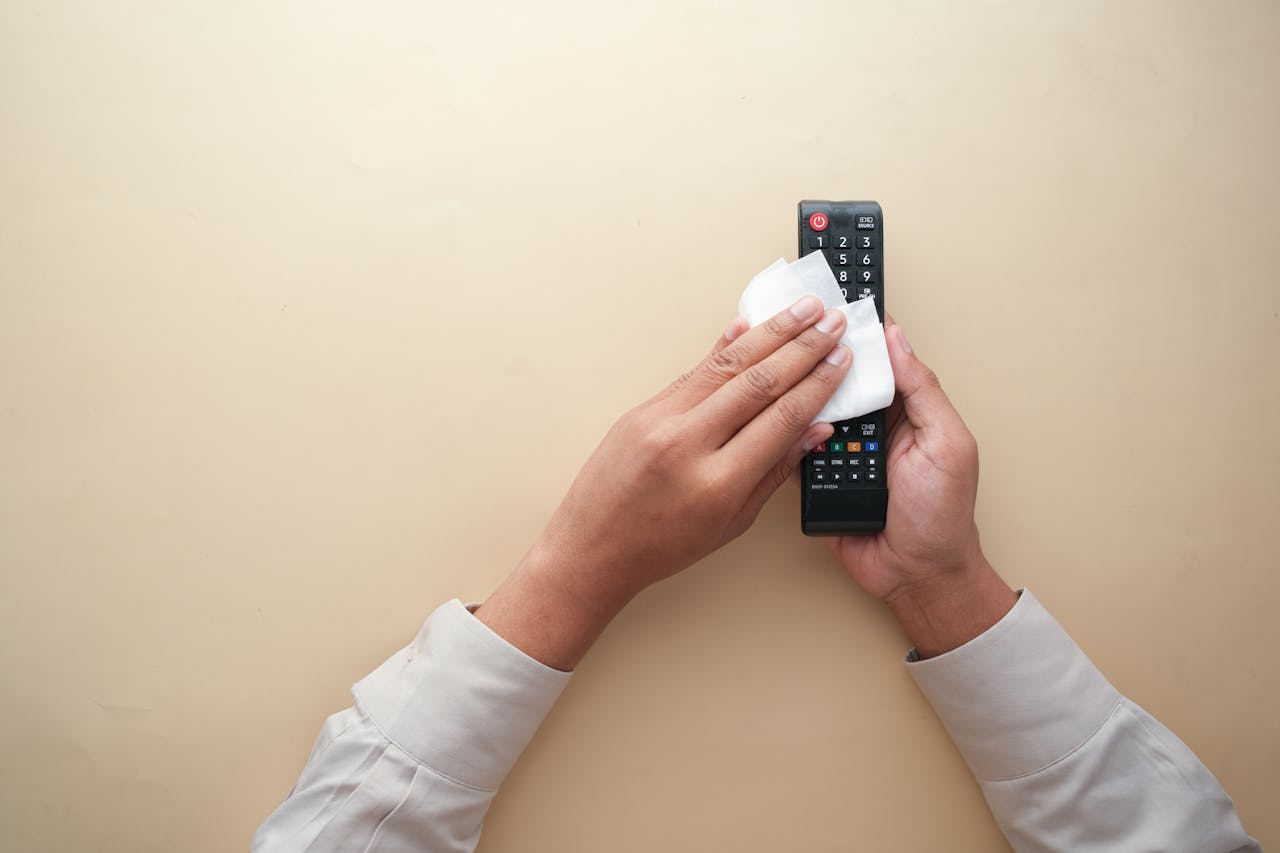
The Remote Control
If you haven’t thought about the germs on your remote control, it’s time to start. Everyone in the house handles the remote, often with dirty hands, exposing it to germs from food, pets, and even the bathroom. The remote is also regularly placed on surfaces that may not be the cleanest, such as the coffee table or your couch cushions, making it a prime location for germs like Norovirus, which can lead to stomach infections.
Pet Toys and Pet Bowls

Your pets bring a lot of joy, but their toys and bowls are also major hotspots for germs. Pet toys, especially chew toys, are a breeding ground for bacteria, including Salmonella and Campylobacter, which can cause foodborne illnesses. Pet food and water bowls are often left out for hours at a time, creating a perfect environment for germs to flourish.
The Mattress
We all spend a significant portion of our lives in bed, but did you know your mattress can become a hotspot for germs over time? Dust mites, dead skin cells, and bacteria like Staphylococcus can accumulate in the mattress, causing allergies, asthma, and even skin infections. The dampness from sweat can also attract more bacteria, turning your bed into a breeding ground for harmful germs.
Conclusion
Ignoring these germ hotspots could put your health at risk, but the good news is that keeping your home clean doesn’t have to be complicated. Simple, regular cleaning and disinfecting of high-touch surfaces and often-overlooked areas can drastically reduce the presence of harmful germs.
Make it a habit to clean your kitchen sink, bathroom faucets, light switches, and other high-risk spots. Don’t let germs silently build up in the places you frequent the most, because your health is worth the extra effort.
Read the original Crafting Your Home.


