

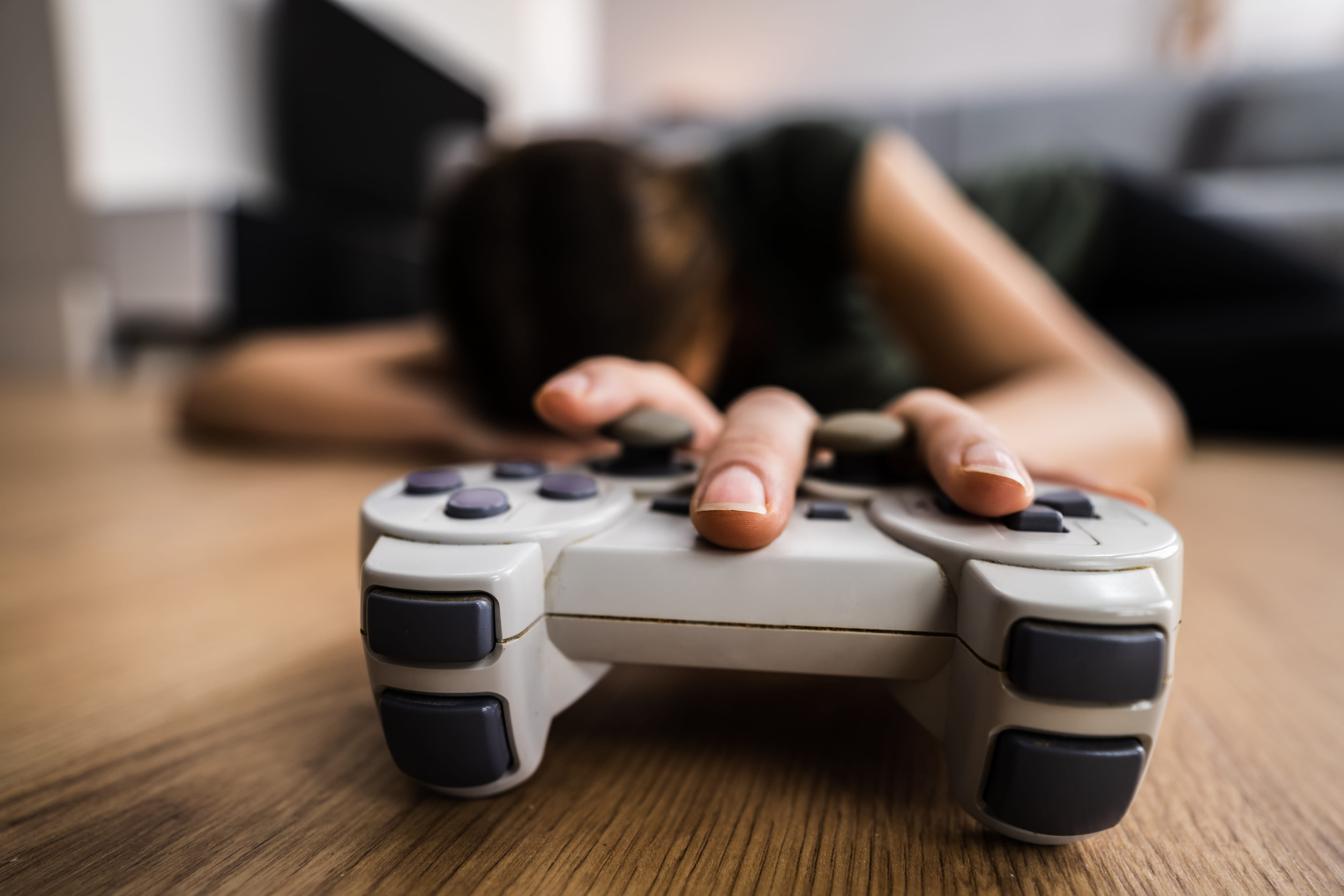
It’s easy to believe that video games offer a temporary escape from the daily stresses of life. The bright colors, fast-paced action, and immersive worlds provide a distraction, a way to forget about your worries for a while. However, what may seem like harmless fun can quickly morph into something that exacerbates your anxiety.
As much as we enjoy gaming, it can sometimes trigger feelings of stress and tension, all while you’re blissfully absorbed in your latest quest. So, while video games can be enjoyable and offer some much-needed downtime, they may also be making your anxiety worse in ways you might not expect.
In this article, we’ll look at how video games, rather than being a simple distraction, can sometimes be a source of hidden stress. From the intense pressure of competition to the emotional toll of losing, gaming can turn what is meant to be a fun activity into a trigger for anxiety.
Let’s explore 8 ways this phenomenon works and why it happens.
Late-Night Gaming Can Leave Your Mind Wide Awake
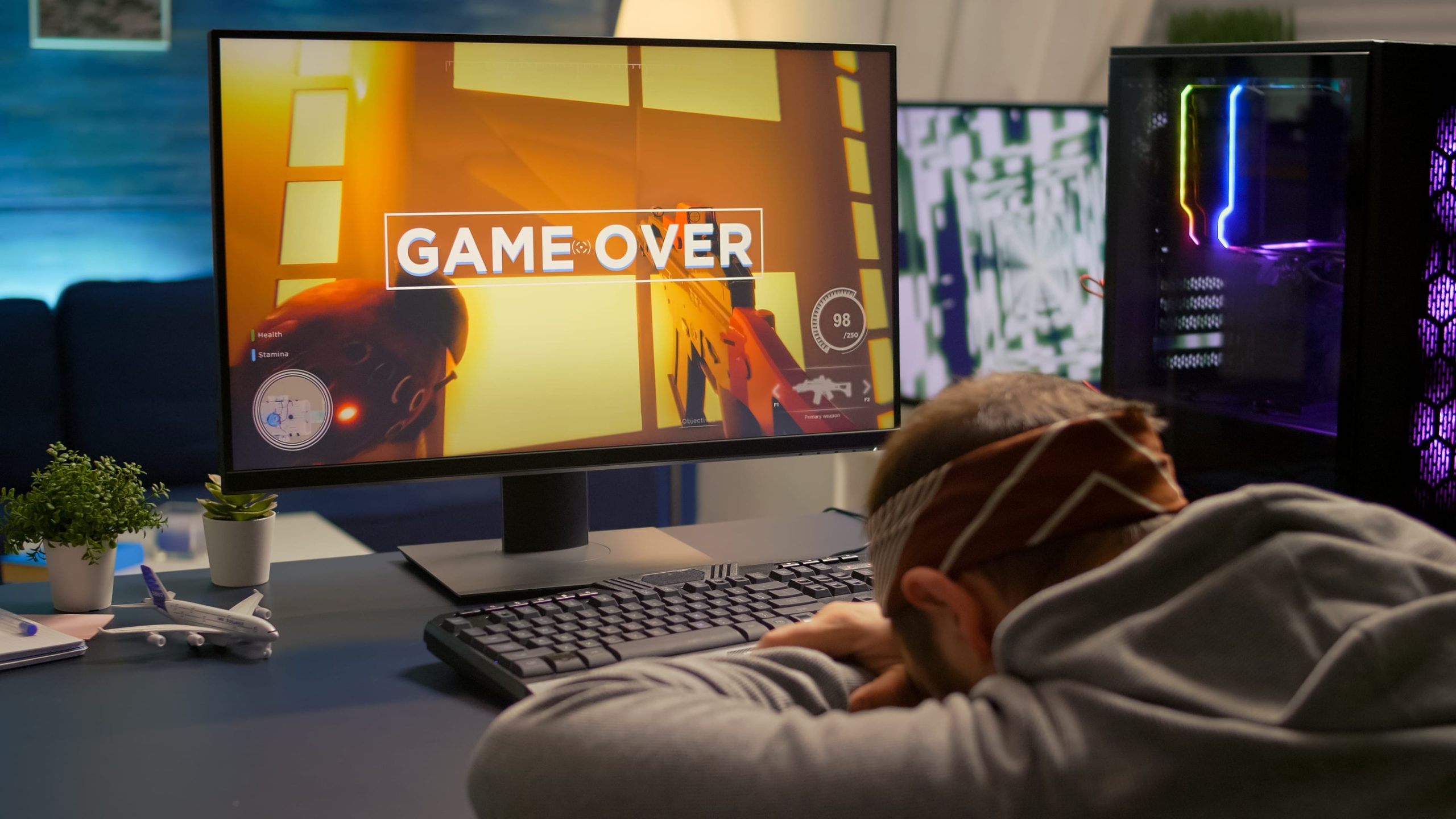
Anxiety loves a tired mind. And when you’re gaming late into the night, your body and brain are primed for excitement rather than relaxation. The bright screens, intense gameplay, and emotional highs can keep your brain buzzing long after you’ve turned the console off. This late-night gaming habit disrupts your sleep cycle and can leave you feeling more anxious the next day.
When you don’t get enough rest, anxiety becomes harder to manage. Your body’s natural stress response is heightened, and the world can feel more overwhelming.
Poor sleep affects everything from mood regulation to cognitive function, making it more difficult to handle stress. Yet, even after a night of gaming, it’s hard to quiet your racing thoughts, which in turn makes your anxiety feel worse the next day.
Your Brain Never Gets a Real Moment to Settle

When you dive into a video game, your brain is suddenly thrust into an environment that demands alertness, quickness, and focus. The constant stimulation can be overwhelming. From flashing lights and high-paced action to the relentless sound effects and challenges, it can be hard for your mind to find a moment of quiet.
The more often you play, the more accustomed your brain becomes to this constant state of alertness. This can make it difficult to enjoy moments of peace outside of the game.
After hours of playing, sitting in silence might feel uncomfortable, almost as if your brain is too “restless” to sit still. The absence of constant input from the game leaves you feeling oddly unsettled, as your brain craves that next burst of excitement.
Competitive Pressure Can Turn Fun Into Emotional Strain
For many gamers, competition is at the heart of the experience. Whether it’s climbing the ranks in an online shooter, completing challenging puzzles, or outsmarting other players in a strategy game, the drive to win can fuel your adrenaline. At first, this competition seems harmless, but over time, the pressure to perform can be overwhelming.
Games often reward you for success, reinforcing the idea that you need to perform at your best to feel satisfied. When every match feels like a high-stakes situation, the pressure to win can overshadow the enjoyment of the game itself.
You may feel tense, anxious, or disappointed after each session, especially if you haven’t performed as well as you hoped. This kind of competitive pressure can trigger stress responses, making you feel like you’re competing not only in the game but also in your own life.
Losing Can Hit Harder Than You Expect

We’ve all been there, the frustration of losing a match, falling short of a goal, or failing a quest you’ve worked so hard on. At the same time, it might seem like a minor setback in the context of gaming, but the emotional impact can be significant, especially for those dealing with anxiety. A single loss can leave you feeling angry, defeated, or even hopeless.
Escaping Your Feelings Can Make Them Stronger Later
Gaming can offer a reprieve from life’s stresses, but using it to avoid difficult emotions can backfire. If you’re playing to avoid confronting feelings of sadness, frustration, or anxiety, you might find that these emotions only grow stronger over time. The escape that games provide is only temporary; eventually, you’ll have to deal with the emotions you’ve been avoiding.
Toxic Online Spaces Can Quietly Damage Your Mood
Online multiplayer games open up a new world of social interaction. Unfortunately, that world isn’t always friendly.
Toxic behavior, verbal abuse, trolling, and negativity are common in online gaming communities, and they can have a serious impact on your mental health. Even if you tell yourself not to take it personally, repeated exposure to this kind of environment can trigger anxiety and lower your self-esteem.
Constant Rewards Can Make Real Life Feel Dull

Games are designed to give you a sense of immediate satisfaction, complete a quest, earn rewards, level up, and move to the next challenge. This fast-paced feedback loop feels satisfying in the moment, but when compared to the slower pace of real life, it can leave you feeling unfulfilled. Real-world tasks and activities don’t always offer instant gratification, which can make them seem dull or frustrating.
Too Much Gaming Can Shrink Your Real-World Coping Skills
When gaming becomes your go-to activity, it can crowd out other coping mechanisms that may help alleviate anxiety. Engaging in physical activity, connecting with friends and family, or practicing mindfulness all help manage stress, but they require time and effort that gaming often replaces. The more you focus on gaming, the less you engage in activities that could help you manage your anxiety more healthily.
The Guilt Cycle Can Become Its Own Source of Stress
The addictive nature of gaming often comes with a heavy dose of guilt. Whether it’s the nagging feeling that you’ve spent too much time playing, ignored responsibilities, or put off important tasks, this guilt only adds to your stress. It’s a vicious cycle; gaming offers temporary relief, but the guilt that follows can trigger more anxiety.
Conclusion
While video games can be a fun and engaging way to pass the time, they can also subtly contribute to anxiety. From the competitive pressure to the emotional toll of losing, gaming can intensify the very feelings you’re trying to escape. It’s essential to find a balance, to recognize when gaming helps you relax and when it feeds your stress.


