

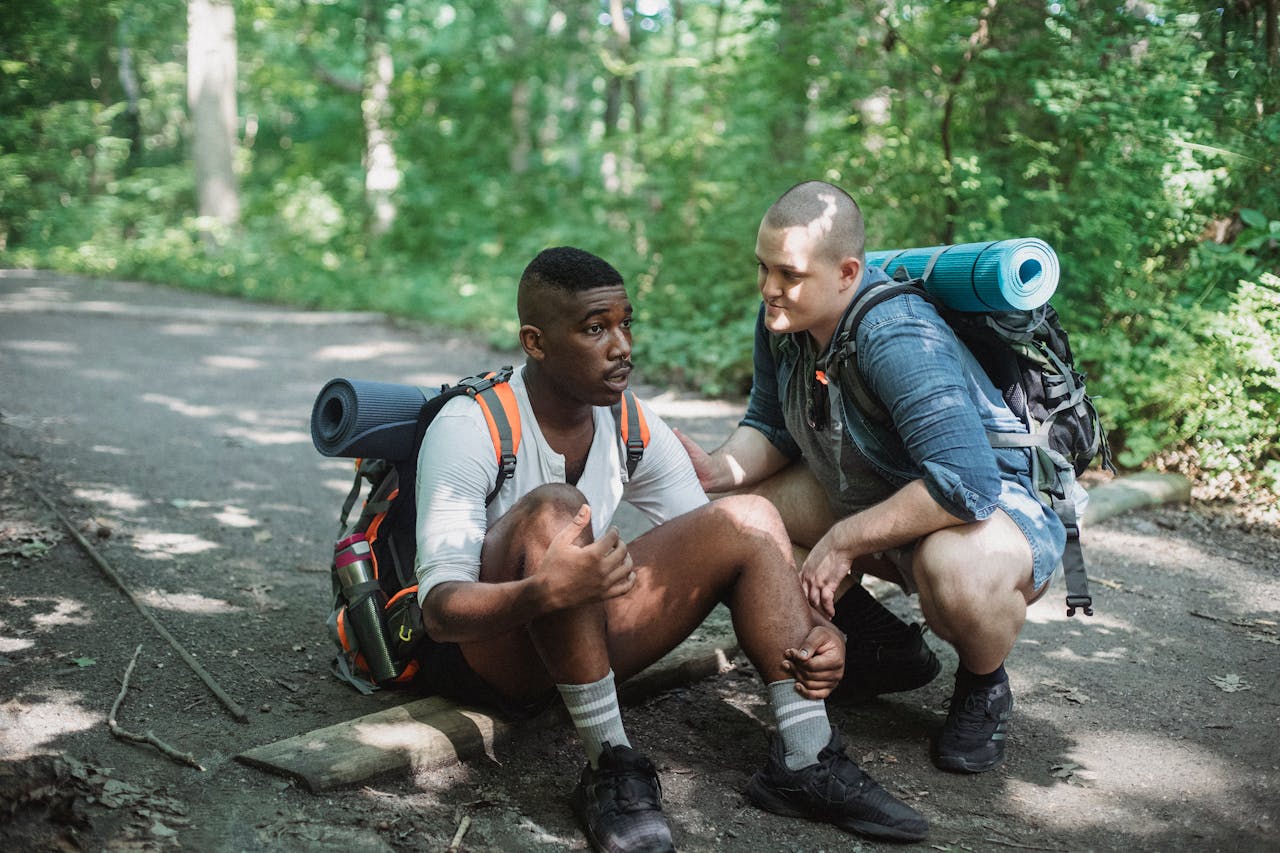
Stress has become an undeniable part of modern life, profoundly affecting many of us. Whether it’s the pressure of work deadlines, family obligations, or the overwhelming pace of the digital age, stress is an ever-present companion. But could nature be the antidote to this constant strain? As more people seek alternative methods to combat stress, outdoor therapy has emerged as a powerful solution.
This article explores 8 ways an outdoor therapist can help you reconnect with nature, reduce stress, and revitalize your life.
A Change of Scenery Can Shift Your Mindset
One of the most effective ways to deal with stress is to change your environment. Spending time in nature has been shown to impact our mental well-being positively. Outdoor therapy offers a unique opportunity to step away from the hustle and bustle of everyday life and immerse yourself in the calming influence of the natural world. Surrounded by trees, open skies, and flowing water, the shift in scenery can help clear the mental clutter that weighs us down.
When you engage with your surroundings, a change of scenery can offer a fresh perspective on problems that may have seemed overwhelming before. In n outdoor therapy session, your therapist may encourage you to spend time in various natural settings, such as forests, parks, or near bodies of water, which can help ease your mind. The goal is to experience nature in a way that is both restorative and grounding.
By disconnecting from the noise of modern life, you can connect more deeply with yourself and begin to address your stress from a new vantage point. A simple walk in a natural setting can help you feel more relaxed, allowing you to gain clarity and approach your problems with a fresh outlook.
Physical Activity Boosts Your Mood
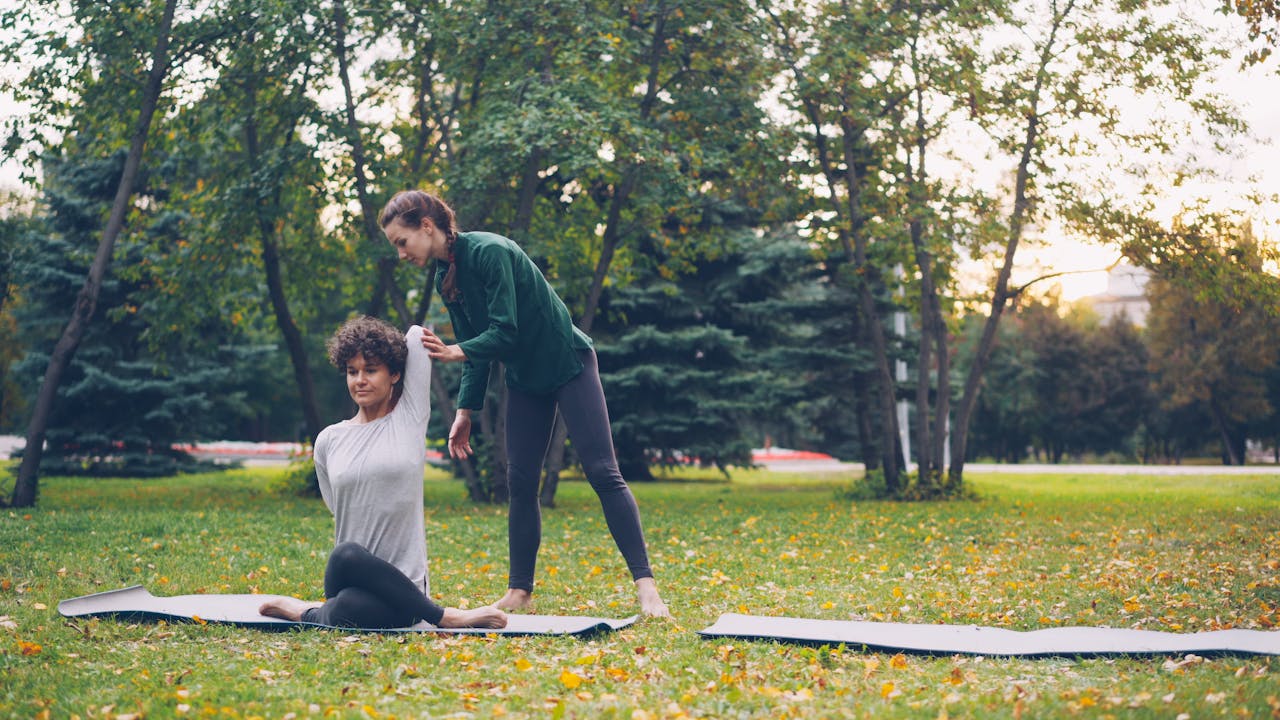
Physical activity is an important aspect of managing stress, and outdoor therapy often incorporates movement in various forms. Whether she’s hiking through a forest trail, practicing yoga in a peaceful meadow, or simply walking along a beach, physical activity in nature can be highly therapeutic. Exercise is known to stimulate the release of endorphins, the body’s natural “feel-good” chemicals, which can elevate your mood and boost your energy.
Outdoor therapy combines the benefits of physical movement with the calming effects of nature. Unlike working out in a gym, outdoor activities are often more enjoyable and connected to the environment, making it easier to stay motivated.
The natural beauty of the surroundings encourages you to push your limits, while the fresh air and physical activity help reduce the physical tension that often accompanies stress. Whether it’s a brisk walk or a more intense hike, engaging in physical activity outdoors can leave you feeling refreshed, focused, and ready to tackle life’s challenges.
Mindfulness in Nature Helps Reduce Anxiety
Mindfulness practices are integral to managing stress and anxiety, and nature is the perfect backdrop for mindfulness. Research has shown that spending time in nature can help reduce anxiety, improve mood, and enhance focus. An outdoor therapist may guide you through mindfulness exercises, which involve paying attention to the present moment without judgment.
These exercises could include activities like focusing on your breath, listening to the sounds around you, or simply being aware of the sensations in your body as you walk through a natural environment. The natural world offers endless opportunities to practice mindfulness. The gentle rustling of leaves, the smell of fresh pine, or the sight of a babbling brook can all anchor you in the present moment.
This mindfulness practice helps calm the mind, reduce racing thoughts, and manage anxiety. By being fully present in nature, you can escape the constant mental chatter that often fuels stress. The combination of mindfulness and nature helps you reconnect with your inner calm and reduce anxiety that may have been building over time.
Connection to the Earth Helps Ground You
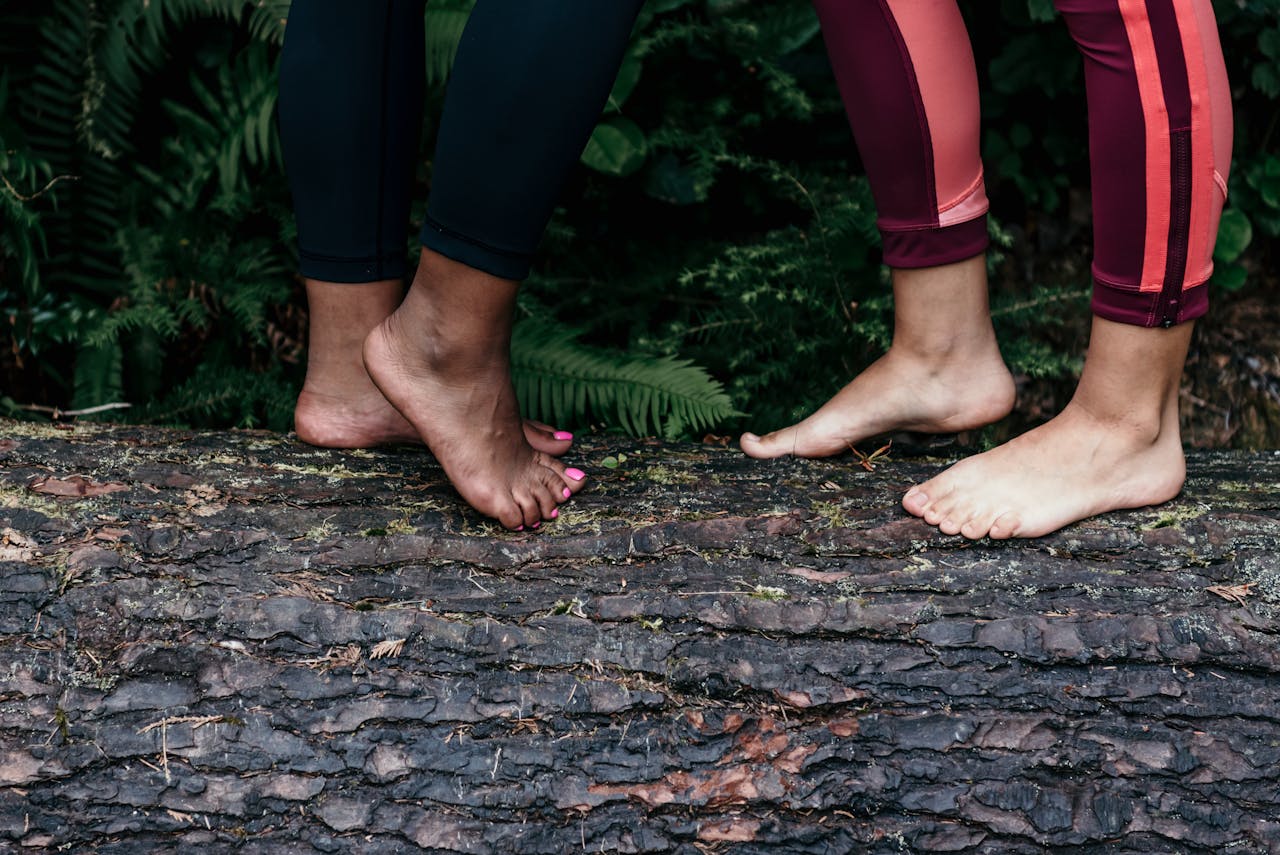
In today’s digital age, it’s easy to feel disconnected from the world around us. The constant barrage of information from our devices can leave us feeling ungrounded and overwhelmed. Outdoor therapy offers a way to reconnect with the earth and reestablish a sense of balance.
One of the simplest and most effective ways to ground yourself in nature is through the practice of “earthing,” or walking barefoot on natural surfaces like grass, sand, or soil. This direct contact with the earth helps you reconnect with your body and the present moment. As you walk barefoot, you activate the sensory receptors in your feet, which can help relieve tension and reduce stress.
By physically connecting with the earth, you create a deeper sense of stability and grounding, which helps you feel more centered and less affected by external pressures. Grounding practices like this can enhance your emotional well-being and provide a powerful antidote to the disconnection and anxiety that often accompany modern life.
Nature’s Rhythms Align With Your Inner Balance
The natural world operates in its own rhythms, the rising and setting of the sun, the changing of seasons, and the flow of tides, and these rhythms can have a calming effect on our own internal balance. Outdoor therapy encourages you to align with these natural cycles, which helps restore harmony to your life. By spending time in nature, you become more attuned to the world around you, and this can create a sense of peace and equilibrium in your mind and body.
The natural world has a unique ability to regulate our emotions and help us find balance. The sights and sounds of nature provide a steady, calming influence, which can help reduce the chaos that often clouds our minds.
When we take the time to align with these natural rhythms, we tap into a sense of order and calm that helps counterbalance the stress and unpredictability of daily life. The rhythms of nature, combined with the guidance of an outdoor therapist, can help you achieve greater emotional balance and resilience.
Spending Time Outdoors Fosters Social Connection
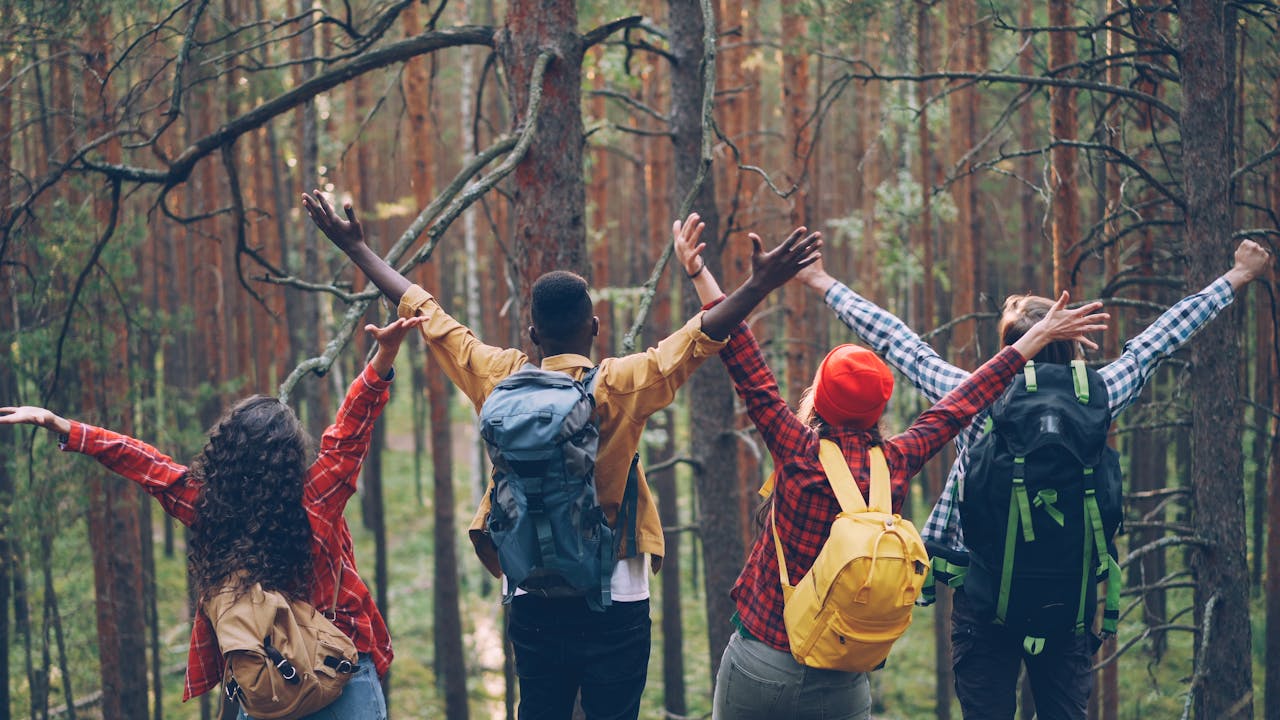
While outdoor therapy can be a deeply personal experience, it also provides opportunities for social connection. Group outdoor therapy sessions allow individuals to bond over shared experiences, creating a sense of community and support. These sessions encourage open communication and trust, allowing participants to share their thoughts and feelings in a safe and non-judgmental space.
The social aspect of outdoor therapy is particularly beneficial for individuals who may feel isolated or disconnected. In nat re, there’s no pressure to perform or be “on,” and the relaxed setting encourages genuine connection.
Spending time with others in a natural environment helps foster empathy, reduce loneliness, and build lasting relationships. Whether you’re hiking with a small group or attending a group therapy session, the sense of camaraderie in outdoor therapy can help you feel supported and less stressed.
Outdoor Therapy Promotes Personal Growth
Outdoor therapy is not just about managing stress; it’s also a path to personal growth. By spending time in nature, you engage in experiences that challenge you and encourage you to step outside your comfort zone. Whether it’s learning new coping techniques, facing emotional challenges, or pushing your physical limits, outdoor therapy helps you build resilience and deepen your understanding of yourself.
Nature’s Calm Offers a Therapeutic Environment
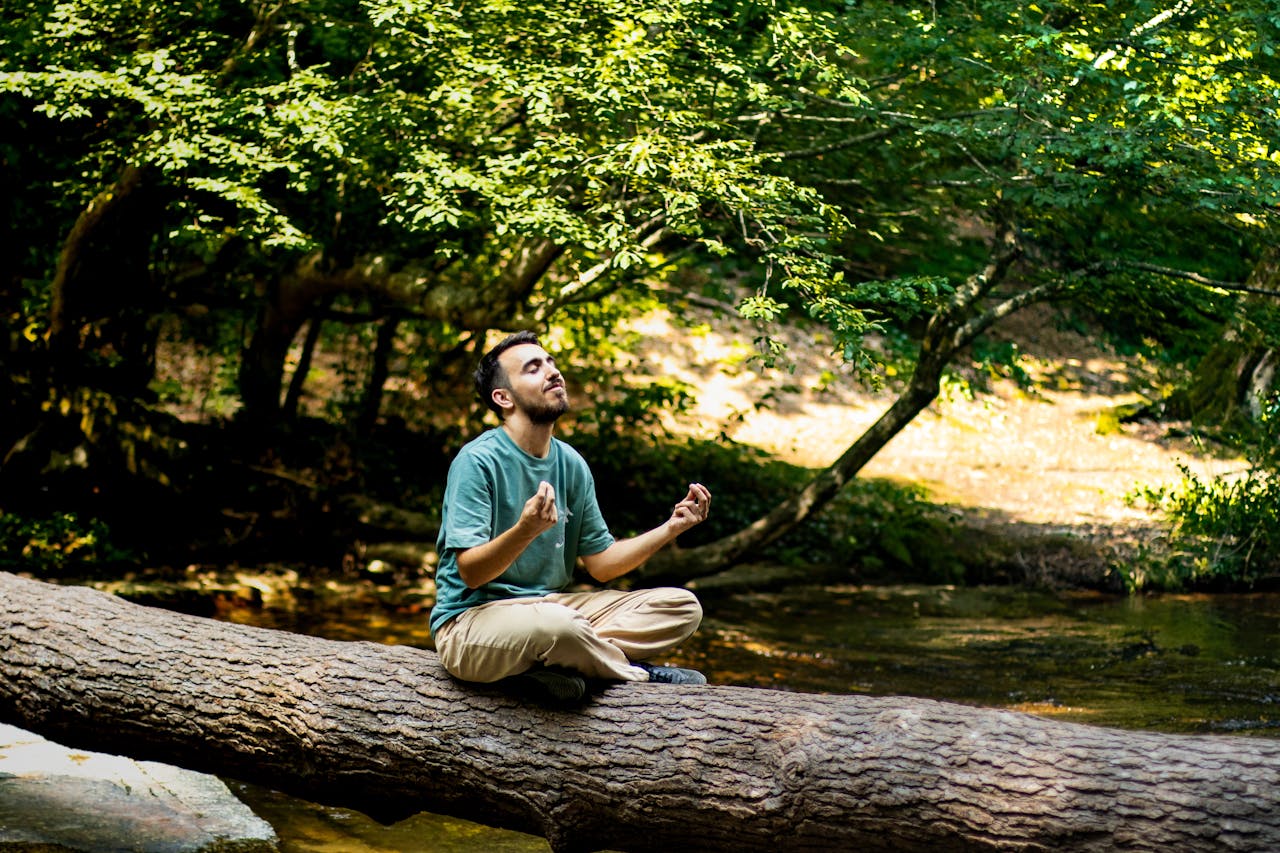
In our fast-paced, technology-driven world, finding quiet spaces to relax can be a challenge. Nat re, however, offers an abundance of calm and peace, which makes it an ideal setting for therapy. Out-of-the-therapy capitalizes on this natural tranquility to create a therapeutic environment that promotes healing.
The sounds of birds chirping, the rustling of leaves, and the gentle flow of water create a soothing atmosphere that can help lower your stress levels and promote relaxation. An outdoor therapist may encourage you to spend time in serene, distraction-free locations, such as quiet parks or remote natural areas. These environments help you clear your mind and center yourself, making it easier to confront and process stress or emotional pain.
The calming influence of nature provides a space where you can let go of worries and focus on your well-being. In this tranquil setting, your therapist can help you explore your feelings, learn coping strategies, and develop techniques to manage future stress.
A Path to Healing and Renewal
Nature has a remarkable ability to heal, and when combined with the expertise of an outdoor therapist, it offers a transformative way to manage stress and improve your well-being. From the calming influence of natural settings to the physical and emotional benefits of mindfulness and movement, outdoor therapy provides a holistic approach to mental health.
By stepping outside and reconnecting with the natural world, you can find balance, reduce stress, and experience personal growth. Embrace the healing power of nature; it may just be the reset you’ve been searching for.


