

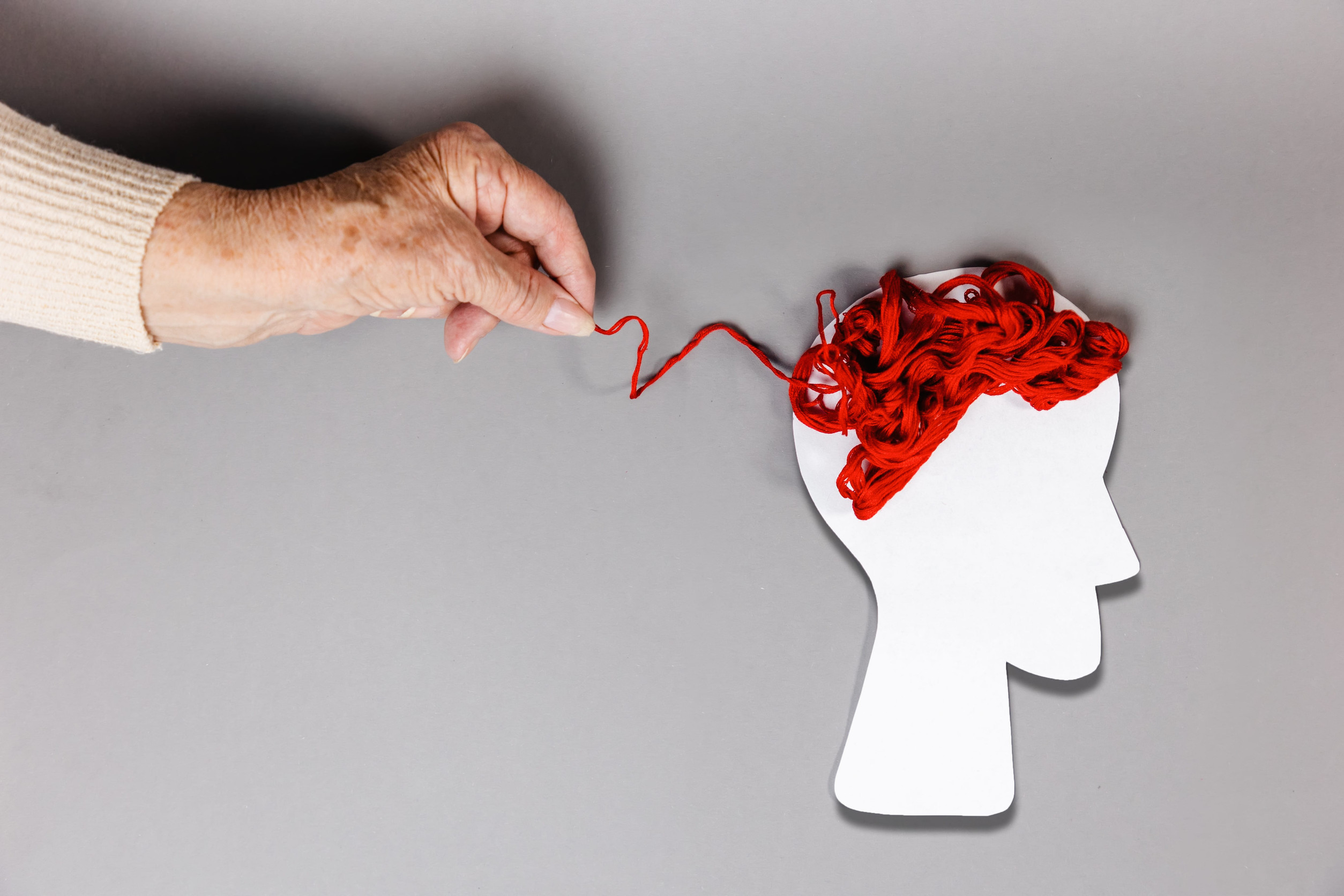
We’re all familiar with the idea that engaging in creative activities can keep our minds sharp and active, but not all creative hobbies are beneficial for the brain as we age. In fact, certain activities, though enjoyable, can have unintended consequences on our cognitive health as we get older. While it’s easy to assume that any creative outlet is good for the mind, some might not be as helpful as we think.
Let’s explore eight creative activities that could accelerate your brain’s aging process rather than help it.
Excessive Screen Time for Digital Art

In today’s world, many people turn to digital tools for creative expression. From drawing on tablets to designing graphics on computers, digital art seems like a modern way to engage the brain. However, excessive screen time can lead to eye strain, disrupted sleep, and reduced physical interaction, all of which contribute to cognitive decline.
Constant screen exposure can also reduce time spent on more active, brain-boosting hobbies, such as social interactions and physical exercise. While digital art might be fun, excessive screen time can impair your ability to focus, cause mental fatigue, and increase stress levels. In moderation, it can be a valuable outlet, but overdoing it might hinder your brain’s health in the long run.
Overindulgence in Puzzles and Brain Games
Puzzles and brain games are often recommended to maintain cognitive function, but overindulging in these activities can backfire. Relying too heavily on puzzles or apps that claim to improve brain health can create a false sense of mental stimulation. These activities may provide short-term satisfaction, but they don’t necessarily prepare the brain for real-world problem-solving or complex cognitive challenges.
The brain thrives on diverse activities that engage multiple areas of thinking. A narrow focus on repetitive games or puzzles could limit cognitive flexibility and prevent the brain from adapting to new experiences and challenges, potentially accelerating cognitive decline over time.
Obsessive Crafting

Crafting, such as knitting, crocheting, or scrapbooking, is often considered a relaxing and enjoyable way to unwind. However, an obsessive approach to these activities can lead to a sedentary lifestyle and social isolation. Spending long hours on intricate projects without breaks or social interaction can reduce opportunities for brain-boosting activities such as conversation, physical exercise, or exploration of new ideas.
While crafting can stimulate creativity, it’s important to maintain balance and avoid becoming overly fixated on one activity. The brain benefits from variety, and too much time spent crafting alone can limit exposure to activities that support cognitive health.
Relying Too Much on Routine Artistic Practices
By sticking too rigidly to familiar routines, you may be limiting your brain’s ability to adapt to new challenges, which is key to slowing the aging process. Incorporating variety and exploring new forms of creative expression can keep your mind agile and prevent stagnation.
Overusing Social Media for Creative Expression

Social media platforms have become a popular space for creative expression, but the constant scrolling and posting can have detrimental effects on brain health. Although sharing photos, videos, or written content can feel rewarding, overuse of these platforms leads to fragmented attention, shallow interactions, and reduced mental engagement. The rapid pace of content consumption reduces time spent on deeper, more meaningful activities that could promote better cognitive function.
Constantly seeking validation through likes and comments can also trigger stress and anxiety, which are harmful to brain health over time. While social media offers an outlet for creativity, it’s important to strike a balance and avoid overuse to protect cognitive well-being.
Solo Creative Activities Without Collaboration
While individual creativity is valuable, working in isolation for long periods can be detrimental to your cognitive health. Solo activities like painting, writing, or playing an instrument can foster personal growth, but they often lack the social interaction that is crucial for brain health. Collaboration and communication stimulate brain areas that support memory, problem-solving, and emotional regulation.
Engaging in group activities, discussions, or creative collaborations provides opportunities for mental stimulation, which enhances cognitive function. The lack of social interaction in solo creative activities can prevent these cognitive benefits, potentially contributing to cognitive decline over time.
Writing Without Purpose

Writing, such as journaling or creative writing, can be a great outlet for self-expression and reflection. However, writing without purpose or direction can lead to unproductive rumination, which has been linked to increased stress and anxiety. Simply writing down thoughts without a clear goal may not provide the mental stimulation needed to keep the brain sharp.
To truly benefit from writing, it should have a purpose, whether it’s to communicate, reflect, or even challenge oneself intellectually. Writing aimlessly might provide temporary relief, but it could lead to mental fatigue and negative thought patterns that ultimately hinder cognitive health.
Focusing Too Much on Perfectionism
Many creative people are perfectionists, constantly striving to make their work flawless. However, this mindset can be damaging to mental health and cognitive function. Perfectionism leads to constant stress, self-criticism, and a fear of failure, all of which are associated with cognitive decline and mental fatigue.
Creative activities should be about exploration and self-expression, not about achieving perfection. Embracing imperfection allows the brain to adapt and grow without the pressure always to be “perfect,” leading to a healthier approach to creativity and better long-term brain health.
Conclusion
Creative activities are undoubtedly essential for keeping the mind engaged and active, but not all creative outlets are equally beneficial for brain health. Overindulgence in certain hobbies or a lack of balance can negatively affect cognitive function and speed up the aging process.
To truly support brain health, it’s important to engage in a variety of creative activities, maintain social connections, and avoid perfectionism or overuse of digital platforms. By balancing creativity with healthy habits and cognitive challenges, you can help keep your brain sharp and vibrant as you age.


