

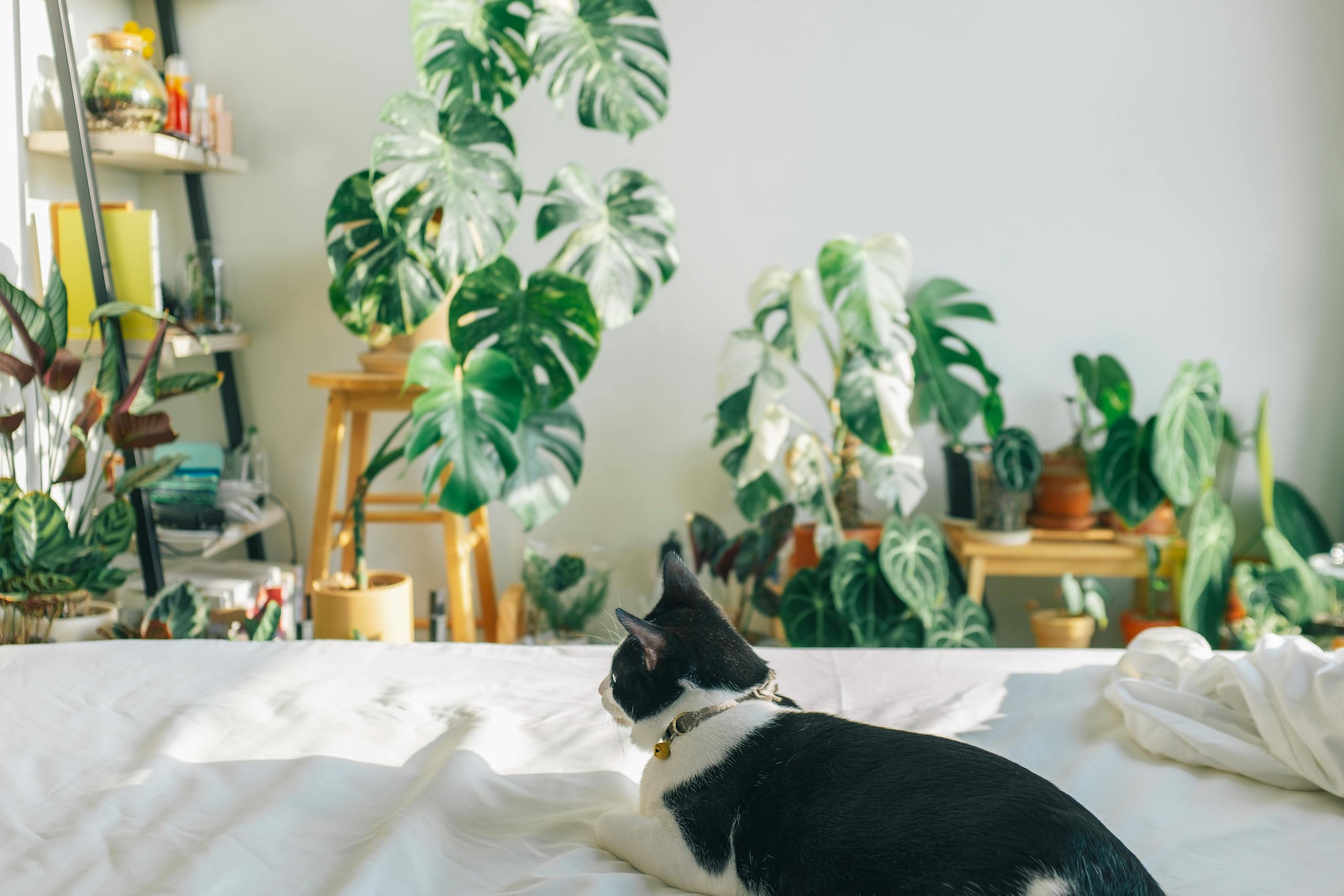
Succulents add charm to any space, but not all of them are safe for your pets and children. While these plants are low-maintenance and visually stunning, certain varieties can pose serious health risks if ingested.
In this guide, we’ll walk you through 10 toxic succulents you should be aware of, detailing their harmful effects on both humans and animals. Whether you’re a seasoned plant enthusiast or a beginner, it’s crucial to keep these succulents out of reach to ensure a safe environment for your loved ones.
Jade Plant (Crassula Ovata)

A popular houseplant, the jade plant is known for its thick, fleshy leaves. While it adds a beautiful touch to your indoor garden, it can be dangerous if ingested by pets.
Pets that consume the jade plant can experience symptoms such as vomiting, diarrhea, and even lethargy. To ensure safety, keep this plant out of reach of curious pets.
Mother of Thousands (Kalanchoe Daigremontiana)
The Mother of Thousands is known for its unique ability to produce small offshoots along the edges of its leaves. However, it contains cardiac glycosides, which are harmful to pets.
Ingestion of this succulent can cause vomiting, diarrhea, abdominal pain, and, in severe cases, heart-related issues. It’s crucial to keep this plant well out of reach from both pets and children.
Aloe Vera

Aloe vera is well-known for its medicinal properties, especially in skincare. However, it can be toxic to pets, causing symptoms like vomiting, diarrhea, and tremors if ingested. While the topical use of aloe vera gel is safe for humans, ingestion by pets can lead to significant gastrointestinal distress.
Always keep aloe vera in a secure spot away from your furry friends.
Panda Plant (Kalanchoe Tomentosa)
The panda plant, with its fuzzy, silvery-green leaves, is a popular succulent for home décor. However, it contains bufadienolides, which are toxic to pets, especially affecting their hearts and other organs. Symptoms of poisoning may include heart-related issues, vomiting, and diarrhea.
Keep this beautiful but hazardous plant away from animals to prevent heart damage.
Mother of Millions (Kalanchoe Delagoensis)
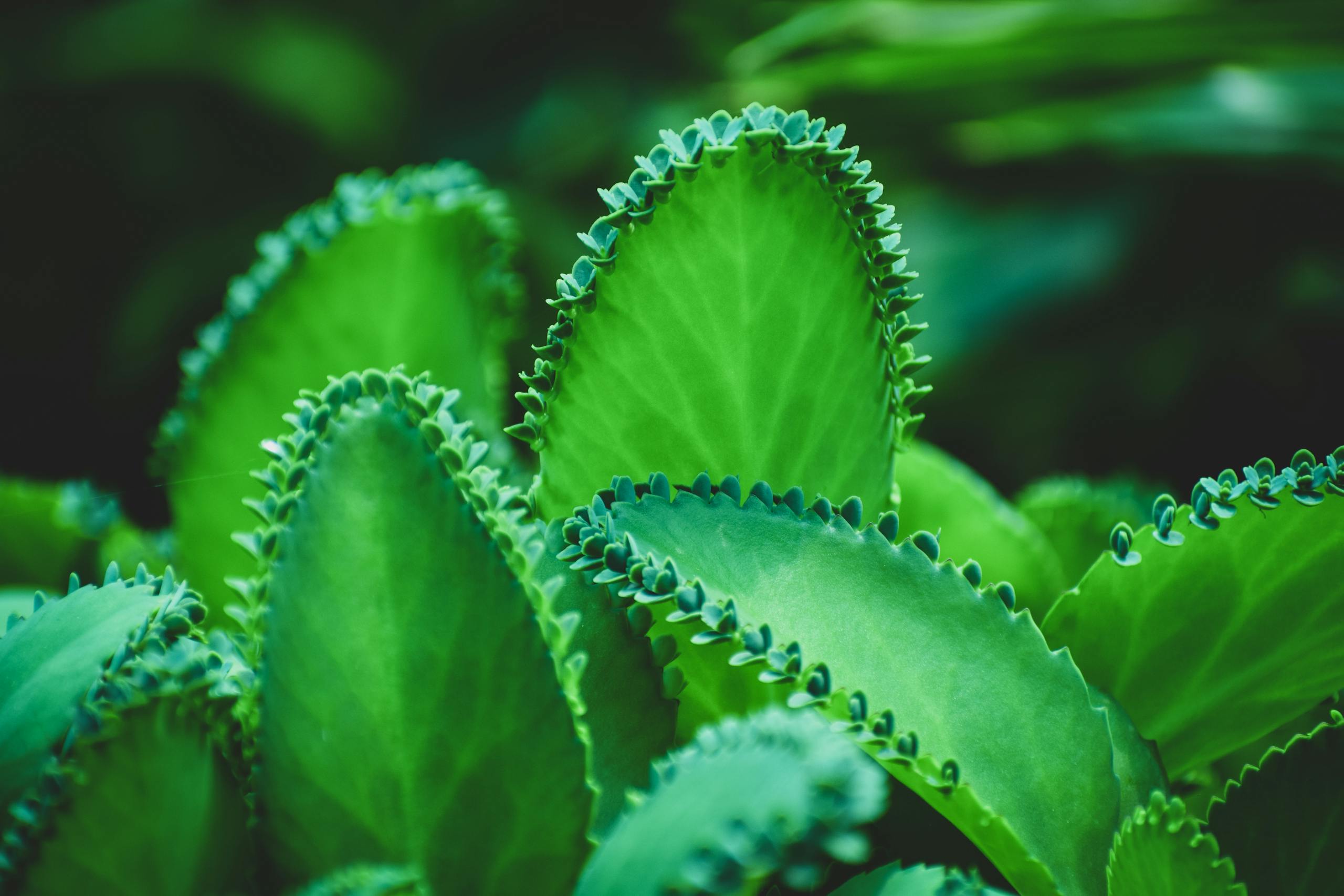
Similar to the Mother of Thousands, Kalanchoe delagoensis is another variety of Kalanchoe that is highly toxic to pets. This plant contains cardiac glycosides that can cause severe toxicity, leading to symptoms such as vomiting, diarrhea, and abdominal pain.
Be sure to keep it out of the reach of pets, as even small amounts of the plant can lead to serious health issues.
Crassula Ovata ‘Gollum’
Gollum Jade, or Finger Jade, is another variety of Crassula with tubular leaves. While it may seem harmless, it can cause mild toxicity in pets like dogs and cats.
Ingesting this succulent can lead to drooling, vomiting, diarrhea, and a loss of appetite. Always monitor your pets around this plant to prevent any accidental ingestion.
Century Plant (Agave Americana)
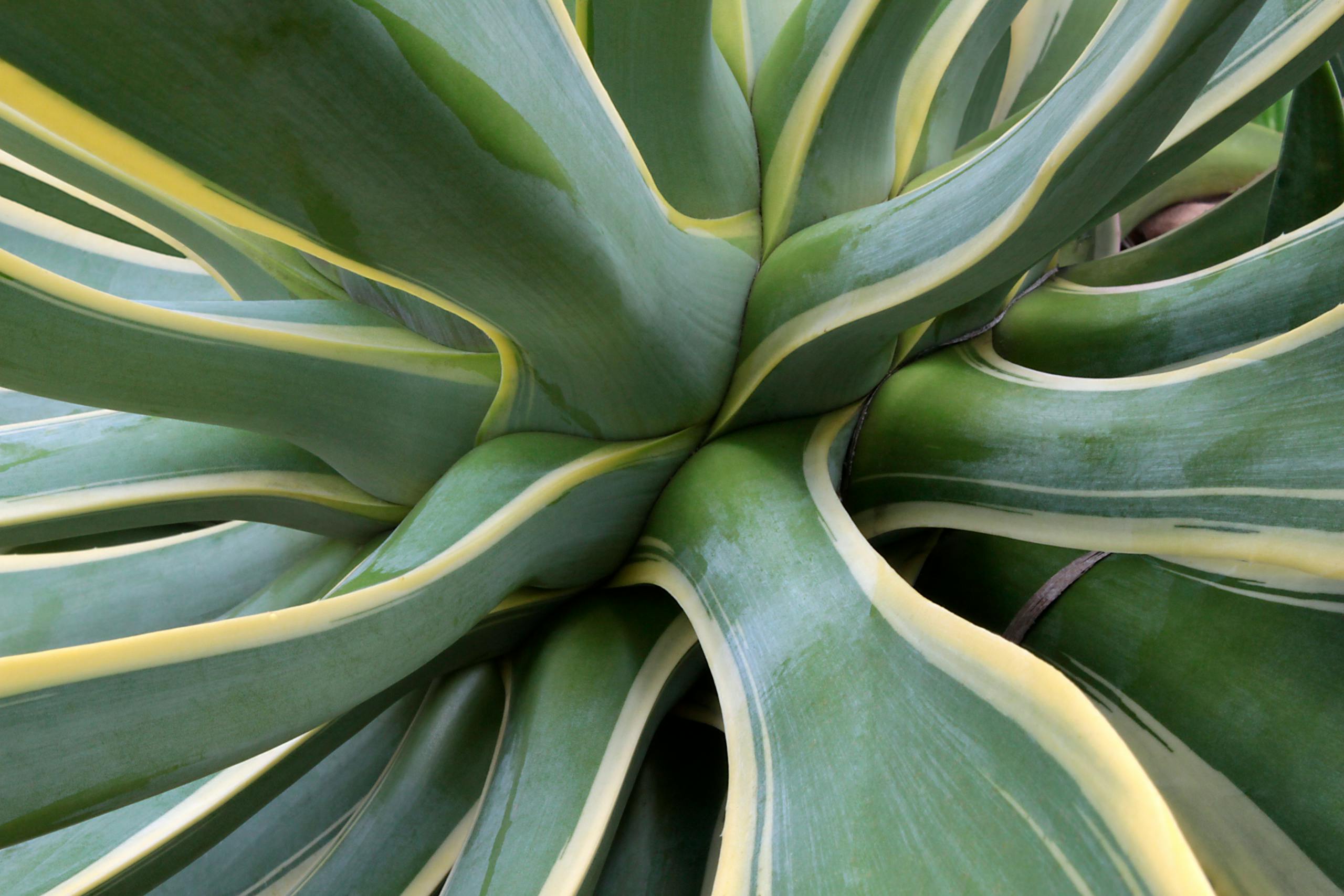
The century plant is a striking succulent with sharp spines and thick, fleshy leaves. Its sap contains calcium oxalate crystals, which can cause severe irritation if it comes in contact with skin or mucous membranes. Pets may experience mouth irritation, drooling, and difficulty swallowing if they chew on this plant.
Humans can also suffer from skin irritation or eye discomfort if they handle it without protection. Always use gloves when handling this plant.
Fric’s Peyote (Lophophora fricii)
Fric’s Peyote is a rare cactus that contains mescaline, a hallucinogenic compound. Ingesting this plant can cause significant harm to pets, leading to symptoms such as vomiting, diarrhea, tremors, and even seizures.
This cactus should never be accessible to pets, as its psychoactive properties can have serious health effects. As a general rule, avoid having Peyote plants in your home if you have pets or children.
Crown of Thorns (Euphorbia Milii)
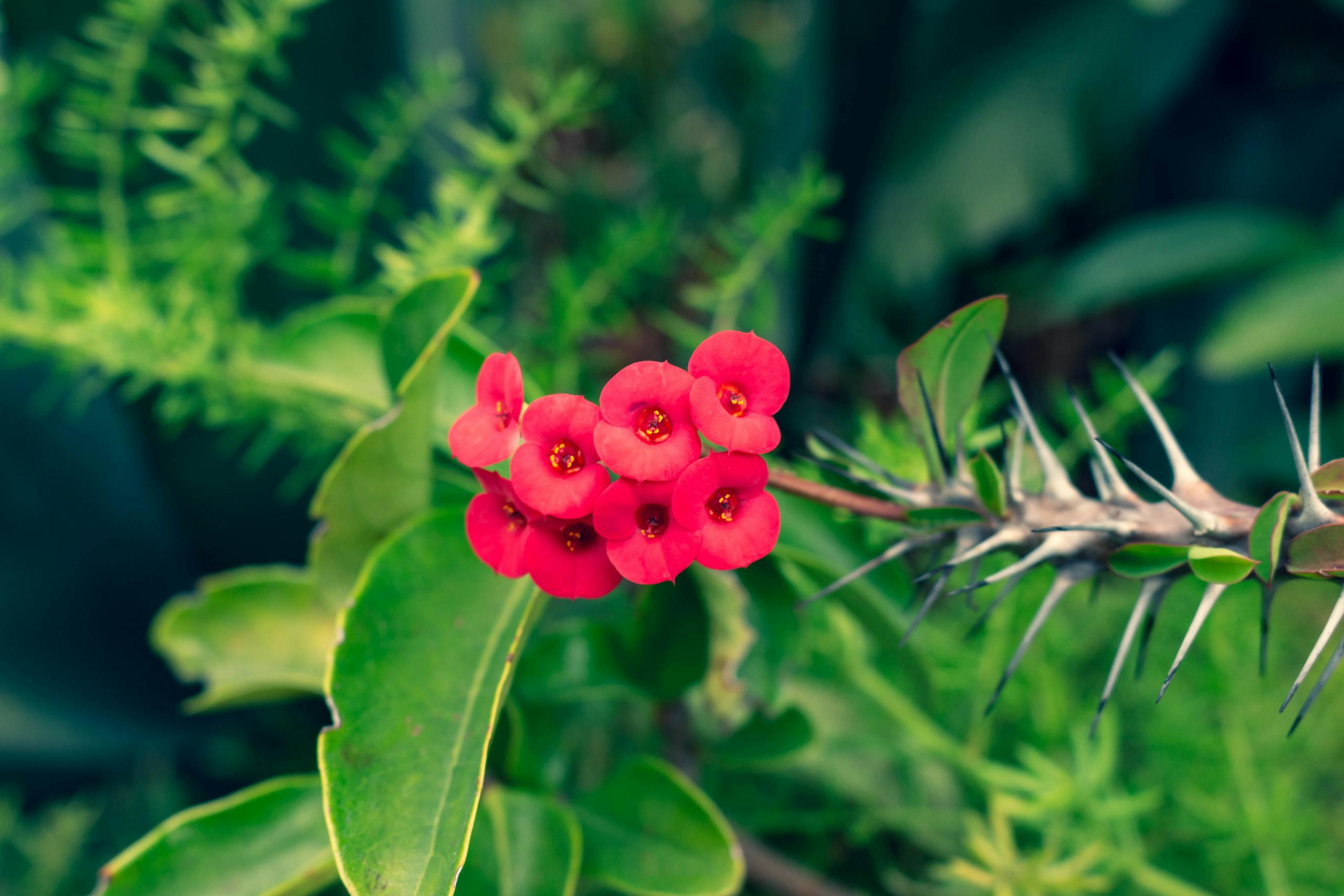
The Crown of Thorns is a succulent that produces colorful flowers but also has toxic sap. This plant’s sap can cause gastrointestinal distress and skin irritation in both humans and pets.
If ingested, pets may experience vomiting, diarrhea, and drooling. Direct contact with the sap can cause skin irritation, so be cautious when handling this plant.
Pencil Cactus (Euphorbia Tirucalli): Hazardous Milky Sap
The Pencil Cactus, also known as the Firestick Plant, is a visually striking succulent with cylindrical branches. However, its milky sap is highly toxic if ingested. Pets that consume this sap can experience symptoms like vomiting and diarrhea, while skin contact can cause severe irritation.
Always wear gloves when handling the pencil cactus, and ensure it is placed in an area out of reach of both pets and children.
Key Takeaways
Succulents are a beautiful addition to any home, but safety should always come first. By keeping toxic varieties like the jade plant, aloe vera, and Kalanchoe species out of reach from pets and children, you can create a safer living environment while still enjoying the beauty of these plants.
Always research the succulents you choose for your home and take the necessary precautions to prevent exposure to harmful toxins. With careful handling and awareness, you can have a beautiful, safe space filled with succulents.
Read the original article on Crafting Your Home.


