


Cooking with aluminum foil has long been a go-to trick for chefs and home cooks alike. From wrapping delicate fish fillets to shielding veggies from direct heat, foil seems like a kitchen hero.
However, certain foods should never meet the shiny surface of aluminum foil. The reason? The potential health risks associated with cooking these foods in foil far outweigh the convenience.
Here’s a closer look at the 9 foods you should avoid cooking in aluminum foil and the science behind why it’s so crucial to make a safer cooking choice.
Tomatoes
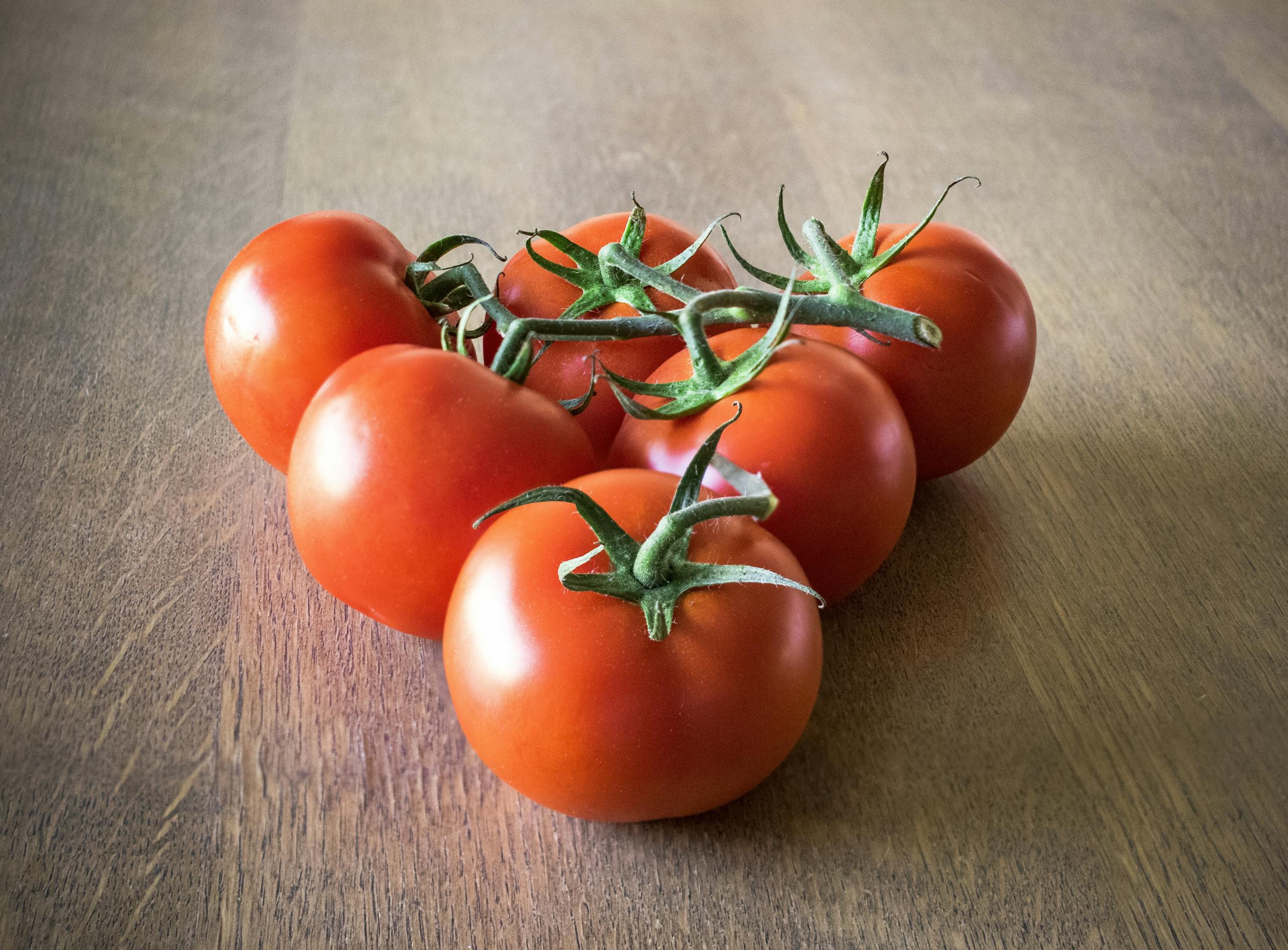
Tomatoes are one of the most acidic fruits out there, making them a prime candidate for reactions with aluminum foil. When tomatoes come into contact with foil, the acid causes small particles of aluminum to break off and leach into the food.
Not only does this result in a metallic taste that can ruin your dish, but over time, consuming excessive amounts of aluminum has been linked to health issues such as osteoporosis and Alzheimer’s disease.
Instead of cooking tomatoes in foil, opt for stainless steel or glass cookware. These materials are non-reactive, ensuring your tomatoes retain their natural flavor without any risk of harmful metal contamination.
Citrus Fruits
Much like tomatoes, citrus fruits, lemons, limes, tangerines, and oranges, have high acidity levels.
When wrapped in aluminum foil, their natural acidity reacts with the metal, leading to the leaching of aluminum into the food.
Not only does this pose a potential health risk, but it can also dull the fresh and vibrant taste of citrus fruits.
For cooking or baking citrus, use parchment paper or non-reactive cookware such as glass or ceramic. These materials will protect the food’s flavor and prevent any metallic aftertaste.
Vinegar-Based Foods
Vinegar-based foods, such as sauerkraut, kimchi, and pickles, are common in many dishes. However, cooking them in aluminum foil can result in dangerous metal contamination.
The acidity from the vinegar causes a reaction with the foil, altering the flavor and potentially leaching harmful substances into the food.
For dishes that rely on vinegar, use glass or ceramic containers. These materials help maintain the integrity of both the flavor and the healthfulness of these fermented foods.
Spicy Foods

Cooking spicy foods like chili, paprika, and cumin in aluminum foil can accelerate the breakdown of the metal, increasing the risk of contamination. The spices themselves, along with the heat, create a perfect storm for aluminum to leach into the dish.
Not only does this pose a health hazard, but it can also diminish the bold, vibrant flavors that make spicy foods so enjoyable.
Instead of foil, prepare spicy dishes in stainless steel, ceramic, or non-stick pans. These materials ensure your food stays free of harmful metal residues while preserving its full flavor profile.
Berries
Berries are another highly acidic food that should not come into contact with aluminum foil. The acidic nature of berries can cause the foil to react, leading to a metallic taste that can overpower the natural sweetness of the fruit.
Additionally, berries tend to break down and turn mushy when exposed to high heat wrapped in foil.
To avoid this, cook or bake berries in glass or ceramic containers. These materials will help the berries retain their texture and flavor, ensuring they remain delicious without any unwanted metallic notes.
Rhubarb
Rhubarb is known for its tart, tangy flavor, but when cooked in aluminum foil, its acidity can corrode the metal.
This reaction not only causes the loss of flavor but also introduces the risk of aluminum contamination.
Whether you’re making rhubarb desserts or compotes, it’s important to avoid foil in favor of safer cookware.
Stainless steel, enamel, or glass bakeware will help preserve the distinctive taste of rhubarb while eliminating the risk of harmful metal leaching.
Apples

Cooking apples, especially when paired with spices like cinnamon, nutmeg, or cloves, can lead to a reaction between the fruit’s natural acids and aluminum foil.
This reaction not only affects the flavor but also results in the release of aluminum particles into your food. To preserve the taste and texture of cooked apples, avoid using aluminum foil.
Instead, opt for ceramic, tin, or glass dishes when baking apples. These alternatives help enhance the sweetness of the fruit and ensure the spices meld perfectly without the risk of metal contamination.
Peppers
Peppers, particularly those rich in capsaicin (the compound responsible for their heat), can react with aluminum foil, leading to degradation of the foil and potential leaching of harmful metals. Cooking peppers in foil not only alters their flavor but also puts your health at risk.
To safely roast or bake peppers, use non-reactive materials such as stainless steel or enamel cast iron pans.
These alternatives preserve the natural flavor of peppers while protecting you from the risks of aluminum exposure.
Eggplant

Eggplant contains certain compounds that can react with aluminum foil, resulting in a metallic taste and potential contamination.
Whether you’re grilling or baking eggplant, it’s best to avoid foil to ensure the vegetable maintains its rich, savory flavor and creamy texture.
Grill or bake eggplant in non-stick pans or cast iron cookware to preserve its flavor without any unwanted metallic undertones.
Conclusion
Incorporating aluminum foil into your cooking routine can be a convenient and efficient way to prepare meals. However, it’s crucial to recognize that not all foods are suitable for foil cooking.
The foods listed above can react with aluminum, leading to both health risks and compromised flavors.
By choosing non-reactive materials like stainless steel, glass, or ceramic, you can ensure your meals remain delicious and free from harmful contaminants.


