5 Parenting Practices That Are Secretly Harmful to Kids
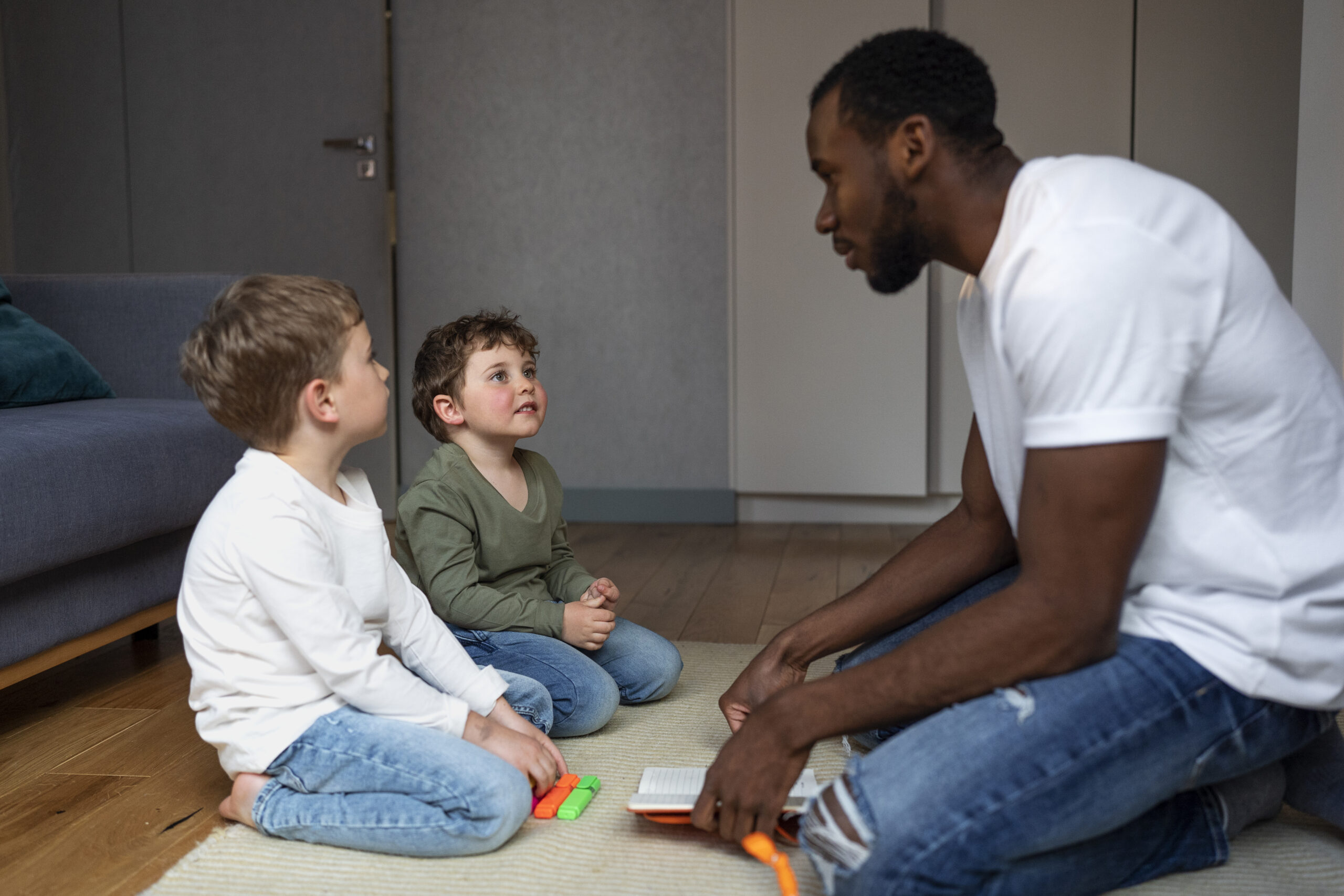
Parenting is an art, and like any craft, it requires a combination of knowledge, intuition, and adaptation.
While the intention behind most parenting rules is good, some common practices are secretly damaging to kids, often in ways parents don’t realize.
In this article, we highlight the five most harmful parenting practices that many parents unknowingly continue, and offer healthier alternatives that nurture children into emotionally resilient and independent adults.
Setting Rigid Boundaries Without Flexibility

Boundaries are essential for children’s development. They help children understand the consequences of their actions, maintain safety, and establish respect. However, setting rules that are too strict or inflexible can be damaging.
Children raised in overly rigid environments often struggle with decision-making and adapting to new situations. They may become anxious when facing change or uncertainty and could have trouble navigating relationships in later life. A lack of flexibility can stifle creativity and emotional growth.
Balance structure with flexibility. While rules are important, children need the space to explore, make mistakes, and learn how to solve problems on their own. Encouraging open dialogue, where children can voice their opinions and ask questions, teaches them valuable decision-making skills and fosters independence.
Suppressing Emotions and Telling Kids Not to Cry

For generations, many parents have believed that emotional restraint is a virtue, telling children to “stop crying” or “toughen up.” While it’s important to teach children emotional regulation, suppressing their feelings can have long-term consequences.
Suppressing emotions teaches children that their feelings are invalid or a sign of weakness. This can lead to poor emotional intelligence, difficulty in expressing themselves as adults, and struggles with mental health. Children who are told not to cry often grow up thinking that expressing vulnerability is shameful.
Normalize emotions. Teach your children that it’s okay to feel sad, angry, or frustrated, and model healthy ways to process those emotions. Encourage them to talk about how they feel, practice empathy, and engage in activities like mindfulness or deep breathing to manage overwhelming emotions.
Comparing Children to Others
Every parent wants the best for their child, but comparing them to others; whether siblings, friends, or even strangers, can have a lasting negative impact.
Constant comparisons can damage a child’s self-esteem and foster feelings of inadequacy. It may also lead to an unhealthy competitive mindset, where children feel they are only worthy if they outperform others. This can stunt personal growth and cause unnecessary stress.
Focus on the child’s individual growth and achievements. Celebrate their efforts and strengths without comparing them to others. Encourage a mindset of personal growth where success is measured by improvement, not competition. This helps children develop self-confidence and an appreciation for their unique qualities.
Punishment Without Teaching Alternative Behaviors

Many parents resort to punishment as a way of correcting negative behavior. While discipline is necessary, punishment without teaching children the right behaviors does more harm than good.
Punishment, especially if it’s harsh or frequent, can lead to resentment and emotional distancing between the child and parent. It can also foster secrecy and dishonesty, as children may try to hide their mistakes rather than learning from them. Without an alternative behavior to model, children are left confused about what is expected of them.
Positive reinforcement, where desirable actions are rewarded, helps children understand the difference between right and wrong while promoting self-regulation. It’s also essential to provide clear guidance on how to replace bad behaviors with positive ones.
Over-Scheduling and Lack of Unstructured Playtime
In today’s fast-paced world, it’s common for children to have packed schedules full of extracurricular activities, tutoring sessions, and sports practices. However, over-scheduling can be counterproductive.
Children who don’t have enough free time may experience burnout, stress, and a lack of social skills. Unstructured playtime is essential for developing creativity, problem-solving, and emotional intelligence.
Allow children time for unstructured play where they can explore their interests, get creative, and learn how to entertain themselves. Playtime isn’t just about having fun; it’s crucial for developing social skills, independence, and emotional resilience. A balance between structured activities and free play allows children to grow in well-rounded ways.
Conclusion
Parenting is a journey that requires constant learning and adaptation. While it’s natural to want the best for your child, it’s equally important to understand the potential impact of your actions.
By embracing flexibility, emotional openness, and a focus on positive guidance, parents can nurture their children into confident, empathetic, and independent adults.
By consciously evolving our parenting methods, we provide our children with the best foundation for growth; emotionally, mentally, and socially.
Read the original article on crafting your home