In a world where technology often encourages a sedentary lifestyle, trekking stands as a powerful reminder of the importance of physical activity for both your body and mind. While it might seem like an effort to squeeze in a trek, skipping this enriching outdoor activity could be silently damaging your overall well-being.
From emotional exhaustion to physical strain, trekking plays an integral role in maintaining a healthy, balanced life. By not making time for trekking, you miss out on a natural way to stay fit and rejuvenated.
Let’s dive into eight ways skipping trekking could be quietly affecting your physical health and mental clarity, while also highlighting why you shouldn’t let this habit slip away.
Missing Out on Physical Fitness
Trekking offers an exceptional full-body workout that strengthens muscles, improves cardiovascular health, and boosts endurance. Without trekking, you might not be getting the same level of regular, low-impact exercise that engages your legs, core, and upper body simultaneously. The physical exertion of trekking supports muscle tone, stamina, and overall fitness; skipping it can lead to a decline in strength and energy.
Reduced Mental Clarity and Focus
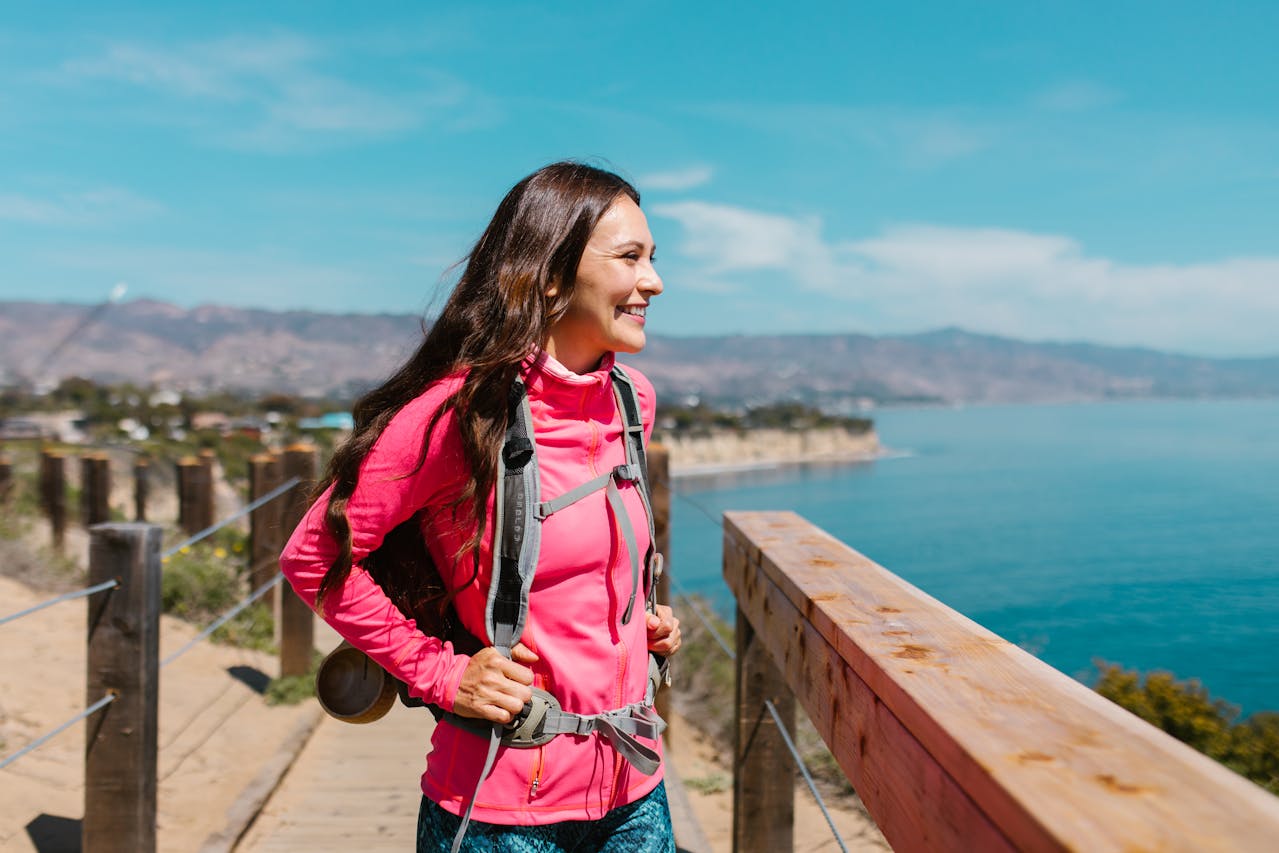
Trekking isn’t just a workout for your body; it’s a mental boost, too. When you take time to go for a trek outdoors, your mind gets a break from the usual hustle and bustle, helping you feel refreshed and recharged. Skipping trekking means depriving your brain of a natural way to declutter, recharge, and enhance your focus.
Loss of Connection with Nature

Trekking is one of the few activities that allows you to truly connect with the natural world, offering you a chance to experience the tranquility and beauty of the outdoors. Skipping trekking means you miss out on this vital reconnection with nature, which has profound benefits for your mental and emotional health. Nature offers a sense of calm that no indoor activity can replicate.
Stiffness and Reduced Flexibility
Regular trekking engages your body in ways that promote joint health and flexibility. When you skip trekking, your body can become stiff, especially if you lead a sedentary lifestyle. This lack of movement can contribute to joint pain, muscle tightness, and overall discomfort, making simple tasks more difficult.
Increased Risk of Weight Gain

Trekking is an excellent way to burn calories and maintain a healthy weight. Without regular physical activity, such as trekking, your metabolism may slow down, increasing the likelihood of weight gain. A sedentary lifestyle can lead to unhealthy habits that disrupt your ability to stay in shape and maintain a balanced weight.
Emotional Overload and Stress Accumulation
Trekking provides an outlet to clear your mind and work through emotional stress, but skipping it could leave you feeling emotionally overloaded. Moving through nature, coupled with physical activity, helps release built-up tension and reduce feelings of anxiety. Without trekking, you might find yourself holding on to stress and not giving yourself time to decompress and heal.
Lack of Social Connection

Trekking is often a social activity, whether you’re hiking with friends, joining a trekking group, or bonding with family. Skipping trekking means missing out on these social opportunities that help strengthen your relationships and provide a sense of community. Physical activities like trekking foster social bonds that are essential for emotional well-being.
Missed Opportunities for Personal Growth
Trekking can be a transformative experience that encourages personal growth. Whether you’re overcoming physical challenges, conquering new trails, or simply enjoying solitude, trekking offers opportunities for self-reflection and growth. Skipping trekking means missing out on these moments of growth, leaving you less connected to your own strengths and capabilities.
Conclusion
Trekking offers more than just physical benefits; it supports your mental, emotional, and social well-being. Skipping a trek might seem like a small decision, but it can have long-term consequences for your health, happiness, and overall lifestyle. From maintaining flexibility and weight to reconnecting with nature and reducing stress, trekking plays an essential role in a balanced, fulfilling life.