



This article was originally published on Crafting Your Home. A human contributor also wrote and edited the post.
The post 8 Traditions Grandparents Say They Wish Families Still Kept on Sundays first appeared on Crafting Your Home
Ask a grandparent what Sunday used to feel like, and the answer rarely starts with a specific event. It starts with a feeling: that the whole day belonged to family, and nothing else was allowed to compete with it.
Blue laws kept the stores closed, church anchored the morning, and everyone somehow ended up back at one table by early afternoon.
The 1978 American Sunday revolved around morning church attendance for most families, and that single fact organized nearly everything else that followed: the midday meal, the visiting, the quiet stretch of afternoon with nowhere else to be.
Here are eight pieces of that day that grandparents say they miss most, and why each one quietly disappeared.
The Morning Ritual
Church, followed by real socializing
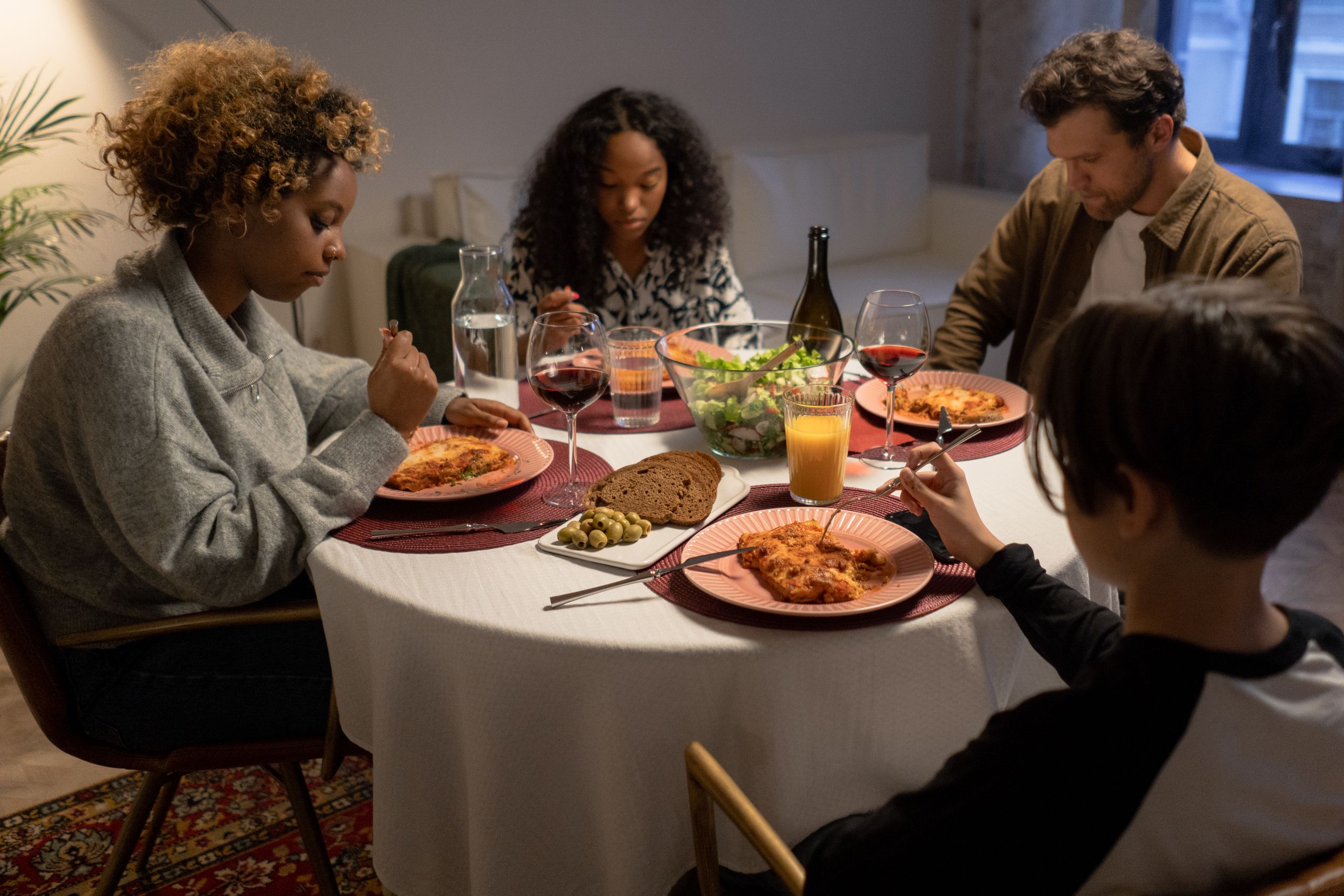
For most families, Sunday didn’t start with the meal; it started with the service, and the service came with its own social structure attached.
Church attendance once provided not just religious observance but the day’s social structure: the congregation, the after-church visiting, the shared moral framework that shaped everything that came next.
A regular coffee hour after the service often served as the actual venue where those community relationships were built and maintained over time, a second layer of connection that quietly vanished as church attendance declined across the decades.
Related: A Fall Weekend Full of Music, Food and Family Activities Is Bringing a Maryland Community Together
A day when the whole town actually closed
Before Sunday became just another shopping day, blue laws made sure nothing competed with it. In the 1800s and early 1900s, laws prohibited work, shopping, and public entertainment on Sundays, so families went to church in the morning, had a big dinner afterward, and did little else, because there was little else available to do.
One person’s memory of the era captures it simply: going to church as a youngster and finding everything in town closed up tighter than a drum. Without anywhere to shop or run errands, Sunday had no competition for a family’s attention.
The Meal That Anchored the Day
A proper Sunday roast, cooked slow and shared family-style
The centerpiece of the day was almost always a large midday meal, one that took hours to prepare and even longer to enjoy.
Grandma’s Sunday roast was a fixed appointment on the calendar, as reliable as church itself: the family headed out to worship while the meat stayed home in the oven, then gathered afterward to feast family-style, lingering rather than rushing.
The specific menu varied by household and region, but the format rarely did: a big meal, eaten early, meant to be shared rather than grabbed on the way to somewhere else.
Related: 10 Screen-Free Family Activities That Can Bring Everyone Closer Again
Extended family showing up without a formal invitation
Sunday dinner was rarely just the immediate household. The meal frequently included extended family, grandparents, aunts, uncles, cousins, gathered around one table as the week’s most substantial and most social meal.
In many neighborhoods, grandparents, neighbors, and extended family joined without any formal invitation, simply because everyone understood that was where Sunday dinner happened and that they were expected.
Related: 5 Things Research Shows About Families Who Eat Dinner Together
Dropping in on relatives, unannounced, because everyone knew you would be home
Beyond the scheduled dinner, Sunday afternoons ran on a looser kind of visiting that modern calendars have mostly erased.
Dropping in on grandparents, aunts, or uncles unannounced on a Sunday afternoon was once widely accepted, built on the shared understanding that the day was reserved for family and most people would simply be home.
No one needed to text ahead or check a calendar, because everyone had already agreed, without saying so, that Sunday afternoon was open for exactly this.
The Slow, Unhurried Afternoon
A Sunday drive with nowhere particular to go
With the stores closed and no errands to run, families often filled the afternoon with a slow, aimless drive, taken purely for its own sake.
One person’s memory of growing up under blue laws describes a typical Sunday that, if the family was lucky, included a leisurely Sunday drive along with grandparents or other relatives coming over to share the day’s big meal.
It was a small ritual built entirely around having nowhere urgent to be, something increasingly rare once Sunday started filling up with errands, sports, and screens.
A quiet visit to the family plot
For many households, Sunday also made room for remembrance, not as a special occasion, but as a routine part of the day.
Many families made a habit of visiting a relative’s grave on Sunday afternoons, often bringing fresh flowers and treating the visit as an ordinary errand rather than something reserved for anniversaries or holidays. It was a small, steady way of keeping family history present even on an otherwise easy afternoon.
The whole family gathered around one television in the evening

Once dinner and visiting wound down, the day often ended the same way for everyone in the house, together, in front of one set.
Families in that era have described gathering as a group to watch a shared favorite program, whether that meant a nightly news anchor like Walter Cronkite or a weekend show like Bonanza, once evening rolled around.
It was appointment viewing shared by an entire household rather than several people scattered across separate screens in separate rooms, one more piece of the day that pulled everyone into the same space at the same time.
Conclusion
None of these eight traditions disappeared because of one single cause. The repeal of blue laws, the rise of Sunday retail and youth sports, the decline of church attendance, and the broad acceleration of American life worked together, each chipping away at the boundary that used to keep Sunday separate from every other day of the week.
What grandparents describe missing is really that boundary itself, a single day when nothing else was competing for a family’s time, and showing up, for dinner, for church, for a relative’s porch, was simply what everyone did.
Other Stories You Might Like
- 9 Things That Were Always in Grandma’s Purse
- 8 Old-Fashioned Dating Habits Women Over 50 Say They Still Love
If you like what you just read, then subscribe to our newsletter and follow us on social media.


