

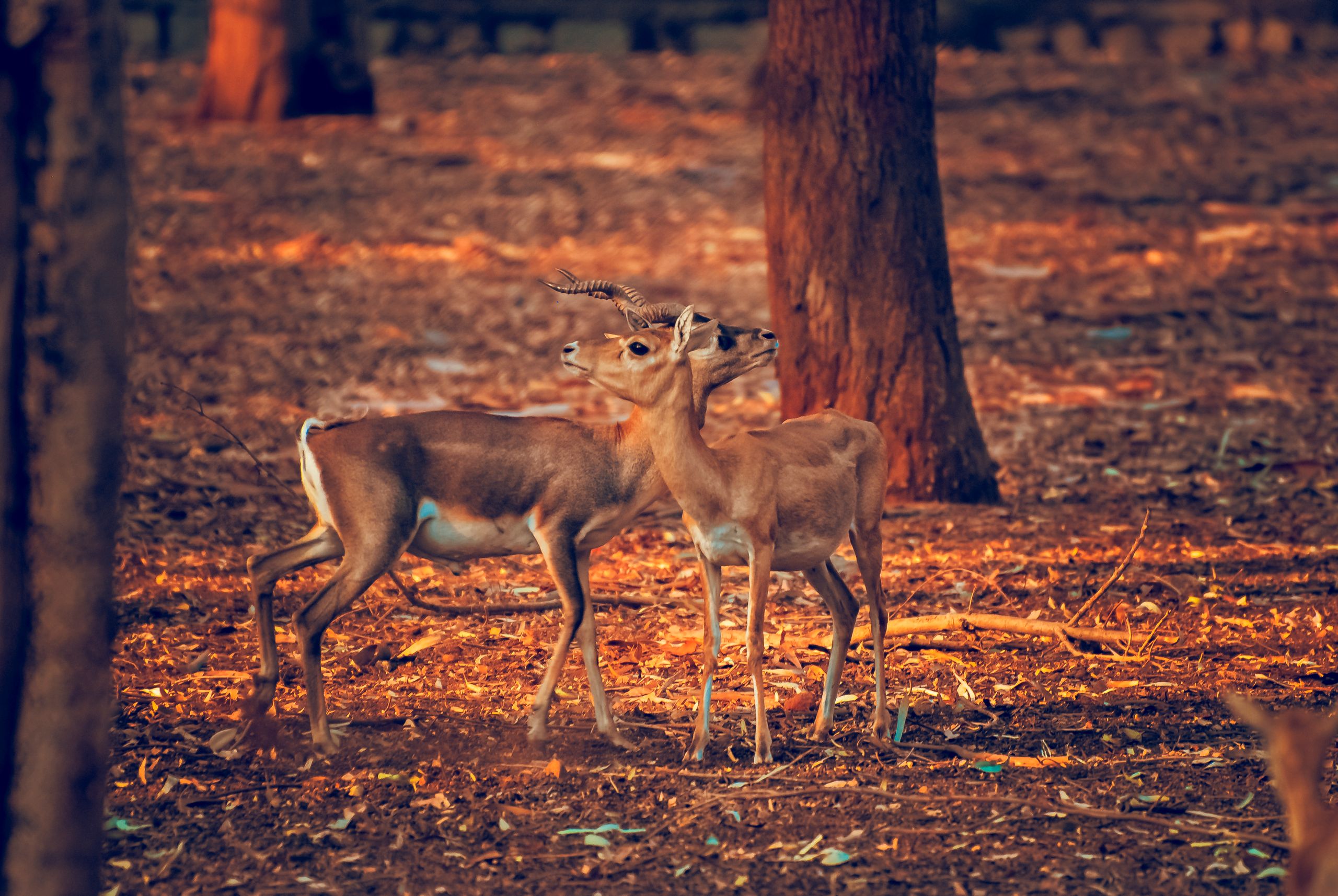
You are halfway through what was supposed to be a peaceful hike when you round a bend and freeze.
Something large is standing on the trail. It is looking at you. You are looking at it. Neither of you expected this, and only one of you has a plan.
Wildlife encounters are one of those outdoor experiences that sound thrilling in the retelling and feel something quite different in the moment. The good news is that the vast majority of them end without incident, not because of luck, but because of behavior.
What you do in the first few seconds, and what you did in the days before you ever set foot on the trail, determines almost everything about how the story ends.
Here are eight things worth knowing before nature introduces itself without warning.
Do Your Homework Before You Go
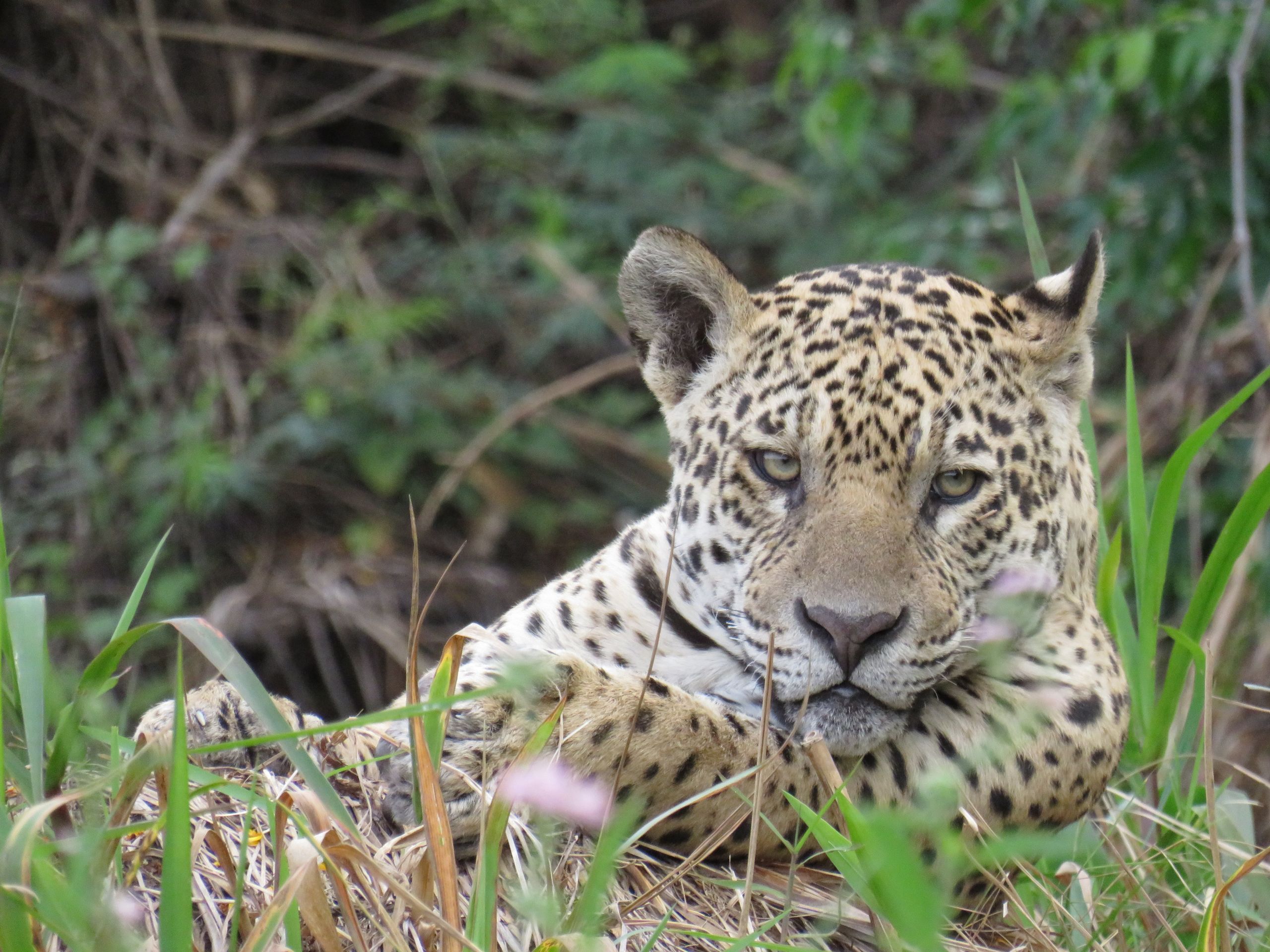
The single most useful thing you can do for a wildlife encounter happens at home, before the trip, when nothing is staring at you.
Different animals require completely different responses. What works with a black bear will get you killed by a mountain lion. What saves you from a moose will do nothing for a rattlesnake.
There is no universal script for wildlife encounters, which means walking into bear country without knowing the difference between a bluff charge and a predatory one is the outdoor equivalent of driving in an unfamiliar country without knowing which side of the road they use.
Before any trip into wildlife habitat, spend twenty minutes with a reliable source, a park ranger website, a reputable hiking guide, or the visitor center at your destination.
Learn which species are present, what their behaviors look like, and what you are actually supposed to do if you meet one. This is not excessive caution. It is the minimum reasonable preparation for entering someone else’s territory.
Make Noise While You Travel
Most wildlife conflicts begin with surprise. Wild animals generally have no interest in confronting humans. They are busy with the genuinely demanding business of finding food, avoiding predators, and managing their own survival.
What they do not want is to be suddenly startled at close range by a large primate who appeared without warning, because a startled animal is a defensive animal, and a defensive animal has options that none of them are good for you.
The simple solution is to announce yourself. Talk to your hiking companions. Sing if you feel like it. Call out “hey bear” periodically in dense bush, not because the bear understands English but because the sound travels and gives animals ahead of you time to quietly relocate.
Trekking poles clacking on rocky trails do this job automatically. Groups of people do it naturally. Most animals that hear you coming will be gone before you arrive. The encounter that never happens is the safest one.
When You See Something, Stay Calm
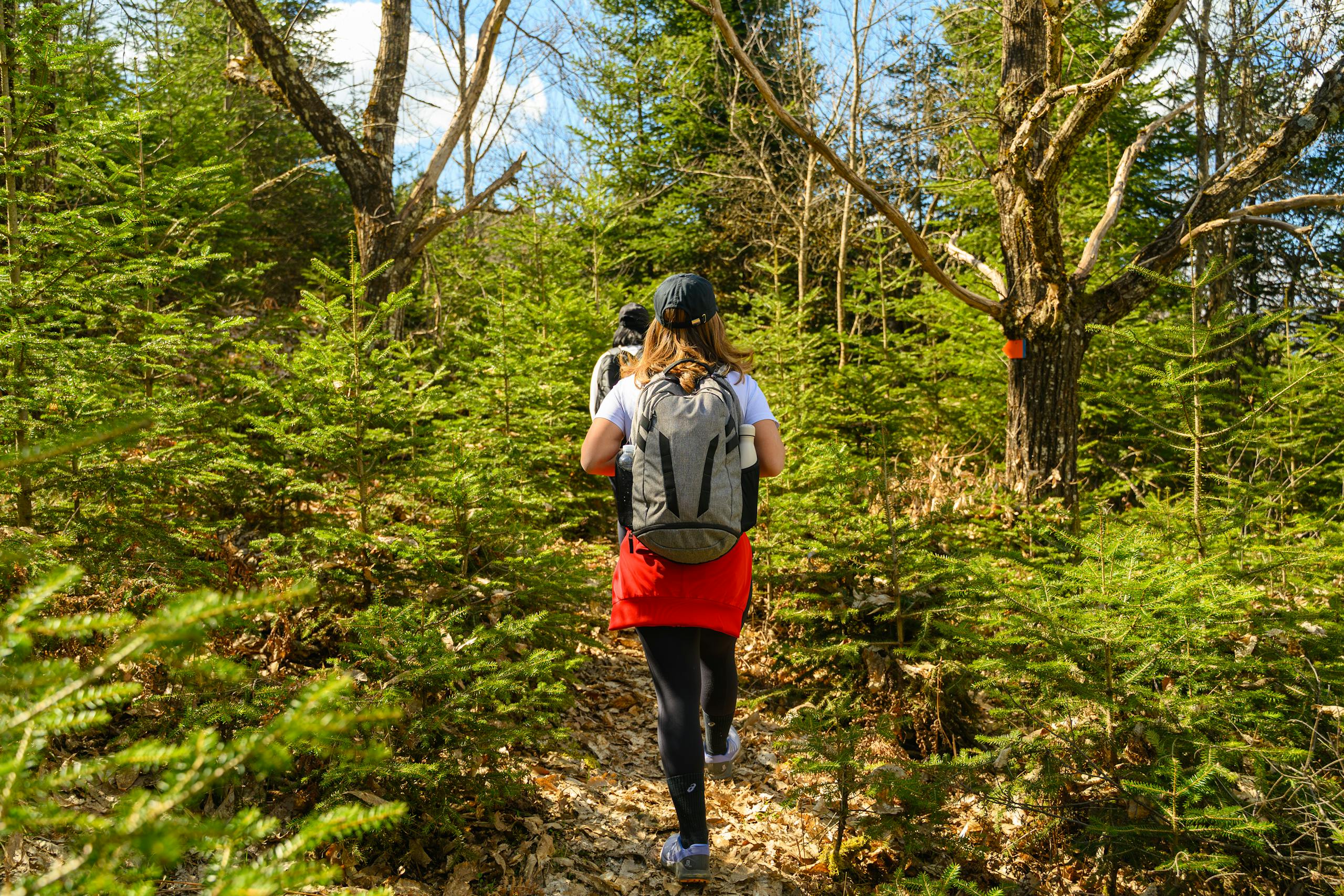
You have rounded the bend and there it is. This is the moment where everything either goes fine or gets complicated, and it is decided largely by your first five seconds.
Do not run. Do not scream. Do not lunge for your phone with sudden jerky movements. Predatory animals are triggered by flight. Surprising animals are triggered by aggression.
What you want to project is neither of those things, you want to be calm, non-threatening, and in control of your own body even if your nervous system is currently suggesting otherwise.
Stand still. Take a breath. Assess. Is the animal aware of you? Is it moving toward you or away? Does it look agitated or simply surprised?
Most animals, once they register your presence, want distance from you just as much as you want distance from them. Give them a route to leave and most will take it.
The calm that saves you in a wildlife encounter is not the absence of fear. It is the decision to not let the fear make your choices.
Know the Species-Specific Rules
This is where the homework pays off, because the rules are genuinely different depending on what you are facing.
With bears: never run, which triggers a chase response in an animal that can hit 35 miles per hour. With black bears specifically, making yourself loud and large often works.
With grizzlies, if contact becomes unavoidable, playing dead, face down, hands protecting your neck, is the recommended last resort.
With mountain lions, the opposite is true: do not play dead, do make yourself appear large, maintain eye contact, and back away slowly.
With snakes: give them space and they will almost always give you the same. Most bites happen to people who tried to handle or kill a snake rather than simply walk around it. Snakes are not interested in you. They are interested in not being stepped on.
These distinctions are not trivia. They are the difference between correct behavior and a response that accidentally escalates the situation.
Keep Your Distance and Resist the Urge to Get Closer
There is a particular type of wildlife encounter that begins not with surprise but with choice, the moment when you spot something magnificent from a distance and decide that closer would be better.
It almost never is… National parks across North America have established guidelines for minimum distances from wildlife: typically 25 yards from most animals, 100 yards from bears and wolves.
These distances exist because animals have personal space requirements that are different from ours, and crossing those thresholds triggers stress responses that can end badly.
A seemingly calm bison that allows people to approach has not become friendly. It has become tense in ways that are not visible until they suddenly are.
Binoculars and zoom lenses exist for exactly this reason. A photograph taken from a safe distance is worth more than a closer one taken from a hospital.
Store Your Food Like Your Safety Depends on It

Because it does… Most wildlife that wanders into campsites and onto trails near humans is following a scent trail back to a food source that a human left accessible.
Bears that learn to associate campsites with easy calories become habituated and dangerous. Raccoons that discover unsecured coolers become bold and persistent.
Even smaller animals that seem harmless can cause significant problems when they are motivated by food.
The rules: use bear-resistant containers in areas where they are required, and consider using them everywhere else. Hang food at least ten feet off the ground and four feet from any vertical support when containers are unavailable.
Clean cooking equipment immediately. Pack out all trash. Do not leave scented items, including toiletries and trash bags, in your tent. A campsite that smells like nothing is a campsite that attracts nothing.
Pay Attention to the Time of Year
The same animal in March and the same animal in October can present very different risks, and a lot of wildlife safety advice skips over this.
Bears emerging from winter dens are hungry and actively looking for calorie-dense food. Bears in late summer and fall are in hyperphagia, a pre-hibernation eating phase where they consume up to 20,000 calories a day and are highly motivated and less cautious.
Moose during the autumn rut are aggressive in ways that surprise people who have previously found them slow and unbothered.
Snakes are more active in warm months and more likely to be encountered in cooler weather when they seek warmth on sun-exposed rocks and trails.
Knowing what season an animal is living in tells you something about the version of that animal you are likely to meet.
Carry the Right Deterrents and Know How to Use Them

Bear spray works. Studies on its effectiveness in genuine bear encounters consistently show it outperforms firearms as a deterrent, but only when it is accessible, not buried in a pack, and only when the person carrying it knows how to deploy it correctly.
Bear spray has a range of roughly 30 feet and should be discharged in a wide, slightly downward arc between you and a charging animal.
It is not a repellent to apply to yourself or your gear. It is a last-resort tool for a specific scenario, and the middle of an encounter is a poor time to read the instructions.
In areas with large predators, carry the appropriate deterrent for the region. Keep it somewhere you can reach it in under three seconds.
Practice the motion of accessing it so it becomes automatic. And update your thinking on what “appropriate deterrent” means, in most documented encounters, it is bear spray, not a firearm.
Conclusion
Here is the thing about wildlife encounters: they are almost never the animal’s fault. Animals startle because we arrived without warning. Animals approach camp because we left food accessible. Animals feel threatened because we got too close.
The encounter that goes wrong is usually traceable back to something that happened before the animal ever appeared, a missed preparation step, an ignored guideline, a moment where the desire for a closer look overrode better judgment.
The outdoors does not require you to be fearless. It requires you to be informed. Know the animals, make noise, keep your distance, secure your food, carry your deterrents, and stay calm when the moment arrives.
Most wildlife wants nothing to do with you. Make it easy for them to keep it that way.


