

You locked your doors last night. Set your alarm. Maybe even checked under the bed. And meanwhile, somewhere in the world, a leopard was padding through a Mumbai suburb like it owned the place.
A polar bear was sniffing around someone’s front porch in northern Canada. A hippo was blocking traffic on a riverside road in Uganda, deeply unbothered.
The idea that dangerous wildlife belongs “out there” in remote jungles and untouched wilderness, is a comforting story humans tell ourselves. The animals never got the memo.
Here are eight of the most formidable creatures on Earth that have decided, for various reasons, to share space with humans, and the remarkable ways communities have learned to live with them.
Leopards
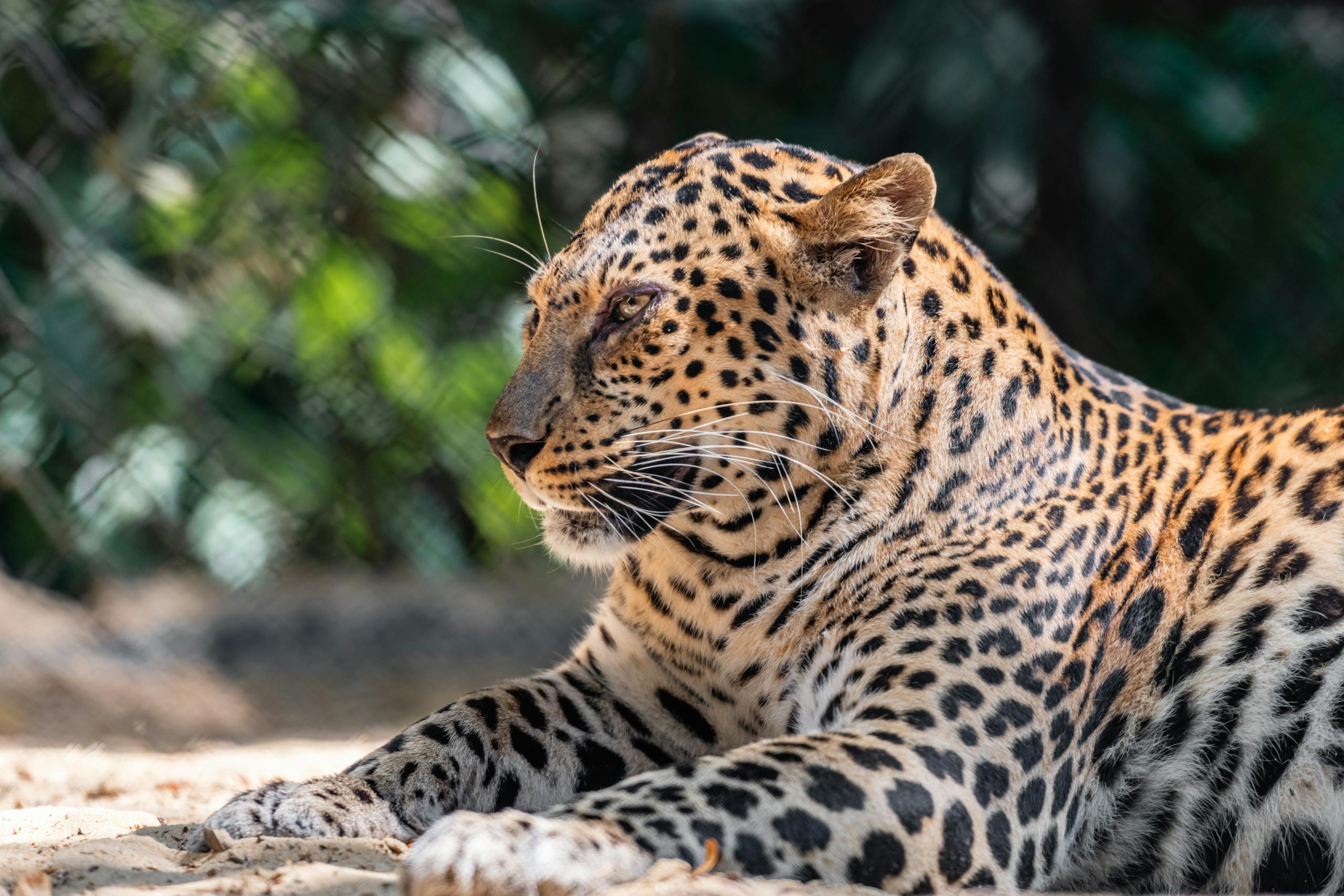
Of all the surprises hidden inside the world’s most densely populated cities, few are as jaw-dropping as this: Mumbai has leopards.
Sanjay Gandhi National Park sits inside the city limits, and its leopards have spent decades quietly pushing their boundaries outward into the surrounding neighborhoods.
They move through slums, along drainage channels, and past apartment blocks at night, invisible to most, dangerously close to all.
What makes this coexistence work, imperfectly but genuinely, is mutual adaptation. The leopards have shifted their diet to stray dogs and rodents, which thrive anywhere humans live.
Residents who grew up near the park have learned to avoid walking alone after dark and to keep children indoors at night.
Wildlife authorities run monitoring programs that would feel at home in a spy thriller, camera traps, radio collars, community alert systems.
It is not a perfect arrangement. Conflicts do happen. But decades of data show that leopards, given the choice, would rather avoid you entirely.
They are not hunting people, they are hunting pests that people accidentally breed. In a twisted way, Mumbai’s leopards are performing pest control on an enormous scale.
Polar Bears
Churchill, Manitoba sits on the western shore of Hudson Bay and holds the unofficial title of polar bear capital of the world.
Every autumn, several hundred bears gather near town while waiting for the bay to freeze over so they can hunt seals. The residents of Churchill, all 900 or so of them, have simply factored this into daily life.
There is a polar bear jail. This is not a metaphor. Bears that wander too close to town are tranquilized, held in a large holding facility, and airlifted out by helicopter once conditions allow.
The town also runs a 24-hour polar bear hotline. Hardware stores stock bear-proof garbage containers the way other towns stock regular ones.
What Churchill demonstrates is that even coexistence with an animal that can weigh 600 kilograms and tear through a car door requires nothing more exotic than organization, community awareness, and a genuine unwillingness to either fear or provoke.
Tourists now flock to Churchill specifically to see the bears, turning a potential catastrophe into one of Canada’s most unusual tourism economies.
Brown Bears and the Beekeepers Who Outsmarted Them
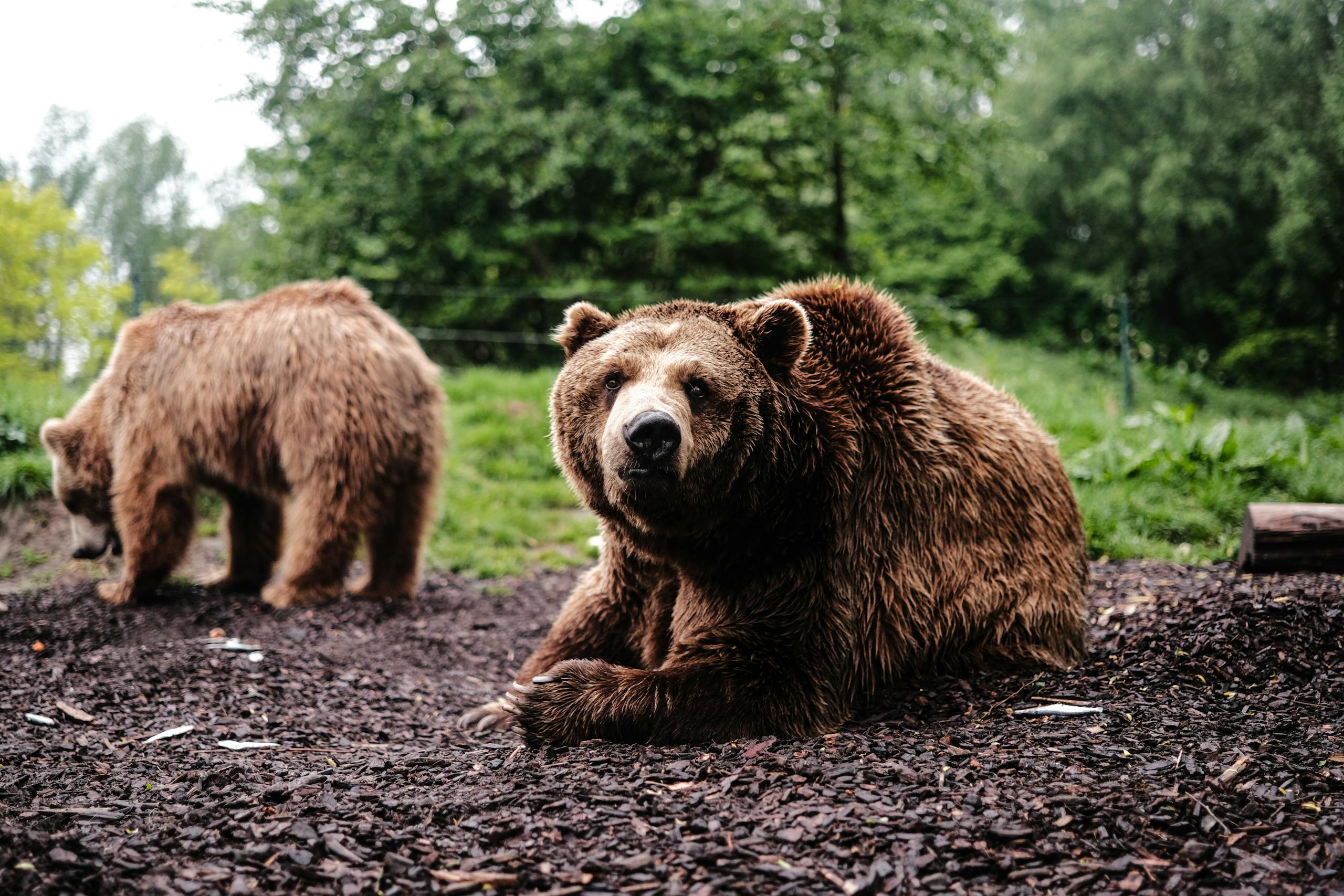
Brown bears have a weakness, and it is honey. Across the Carpathian Mountains of Romania, the Cantabrian Mountains of Spain, and countless forested valleys in between, beekeepers have spent generations dealing with bears that will dismantle an entire apiary in a single determined night.
A hungry bear does not tiptoe. It knocks, smashes, and excavates with an enthusiasm that borders on personal.
The solution, refined over decades of trial and error, has been elegant in its simplicity: elevate the hives beyond reach, reinforce enclosures with electric fencing, and accept that bears will test every boundary until they find the ones that hold.
What has emerged from this long negotiation is a landscape where bears remain part of the ecosystem, farmers protect their livelihoods without resorting to poison or rifles, and the honey, marketed with a knowing nod toward its ursine guardians, often sells at a premium.
Bears are not trying to ruin anyone’s livelihood. They are following calories. Change the calories’ accessibility, and the bear moves on.
Hippos
Let us be clear about hippopotamuses. They are not slow. They are not gentle. They are extraordinarily territorial, capable of running faster than most humans, and responsible for more fatal wildlife encounters in Africa than animals far more famous for being dangerous.
And yet communities along the Zambezi, the Nile, the Congo, and dozens of other African river systems have coexisted with hippos for as long as anyone can remember.
The mechanism is not fencing or management programs. It is knowledge, deep, generational, hyper-specific local knowledge. Communities know which sandbanks hippos claim at dawn.
They know that a hippo yawn is not a greeting. They know which parts of the river to avoid and when. Children grow up understanding these boundaries the way children in other places understand traffic lights.
It is one of the oldest coexistence models on Earth, and it runs entirely on respect and paying attention.
Tigers
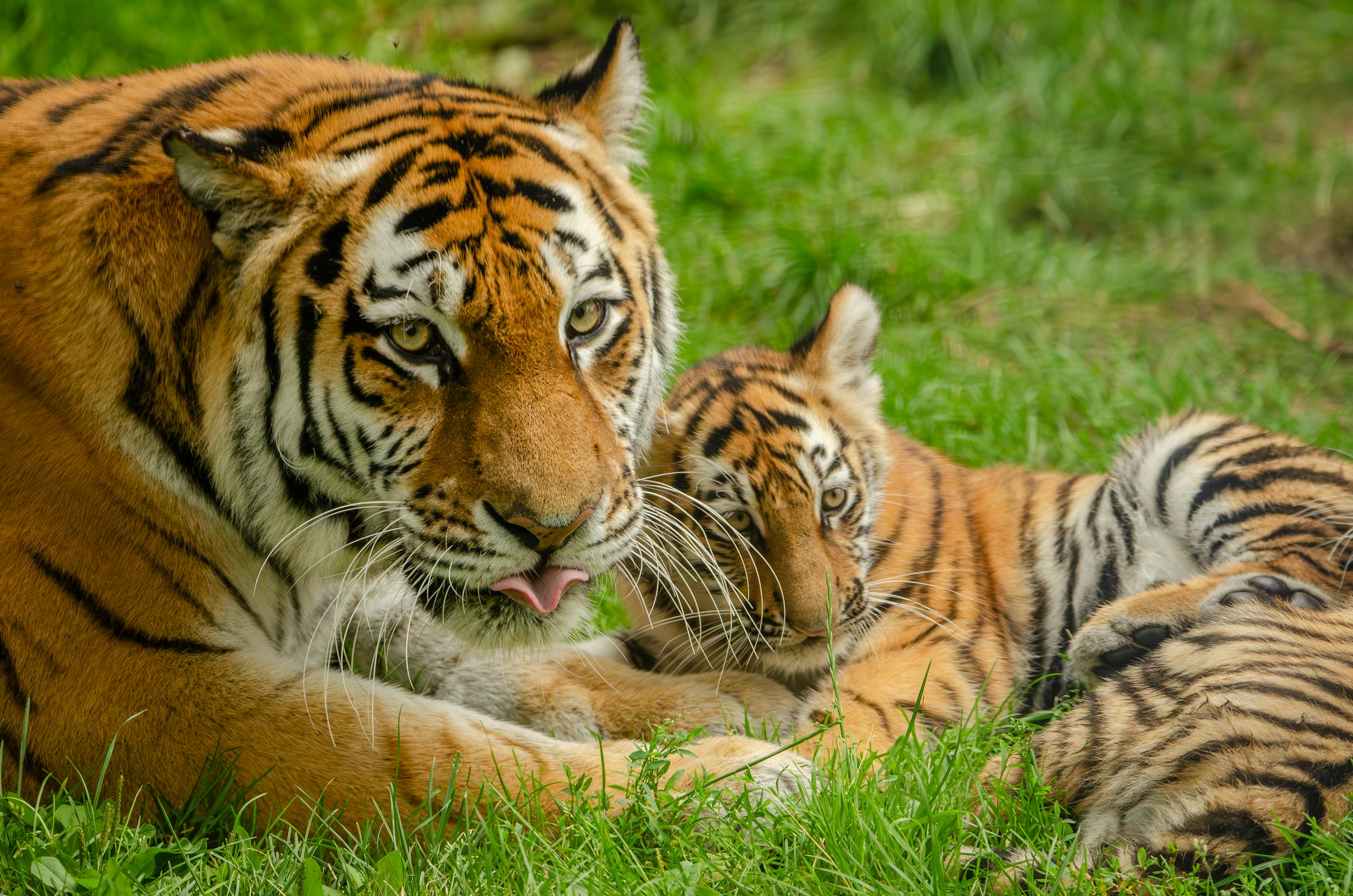
Tigers patrol the boundary between forest and farmland across parts of India, Nepal, and Sumatra, and farmers in these areas have developed a layered, contradictory relationship with them.
On one hand, a tiger near the village is a real and serious danger. On the other, tigers keep wild boar populations in check.
Wild boars destroy crops with devastating efficiency when left unchecked, so a functioning tiger population has measurable, direct economic value for the same farmers who fear them.
Conservation programs in places like the buffer zones around Corbett and Kanha National Parks have leaned into this tension, working with communities to reduce conflict while making the ecological case for tigers in plain agricultural terms.
Predators, it turns out, are easier to tolerate when their presence can be tied to a better harvest.
Wolves
Wolves were methodically eliminated from most of Europe and large parts of North America over centuries. Then, slowly, they started coming back.
In Italy, France, Germany, and the American West, wolf populations have recovered and expanded into landscapes that now contain highways, ski resorts, sheep farms, and hiking trails.
Their return has been controversial, celebrated, and scientifically fascinating in roughly equal measure.
What researchers have documented consistently is this: wolves avoid humans when given space to do so. They are not bold animals around people.
Their presence reshapes ecosystems in ways that benefit biodiversity broadly, regulating deer and elk populations, allowing riverside vegetation to recover, supporting smaller predators.
The challenge is not the wolves. The challenge is the politics of the wolves, which turns out to be significantly more complicated.
Sharks
Here is a statistic that should reframe your entire understanding of sharks: you are more likely to be injured by a vending machine than killed by one.
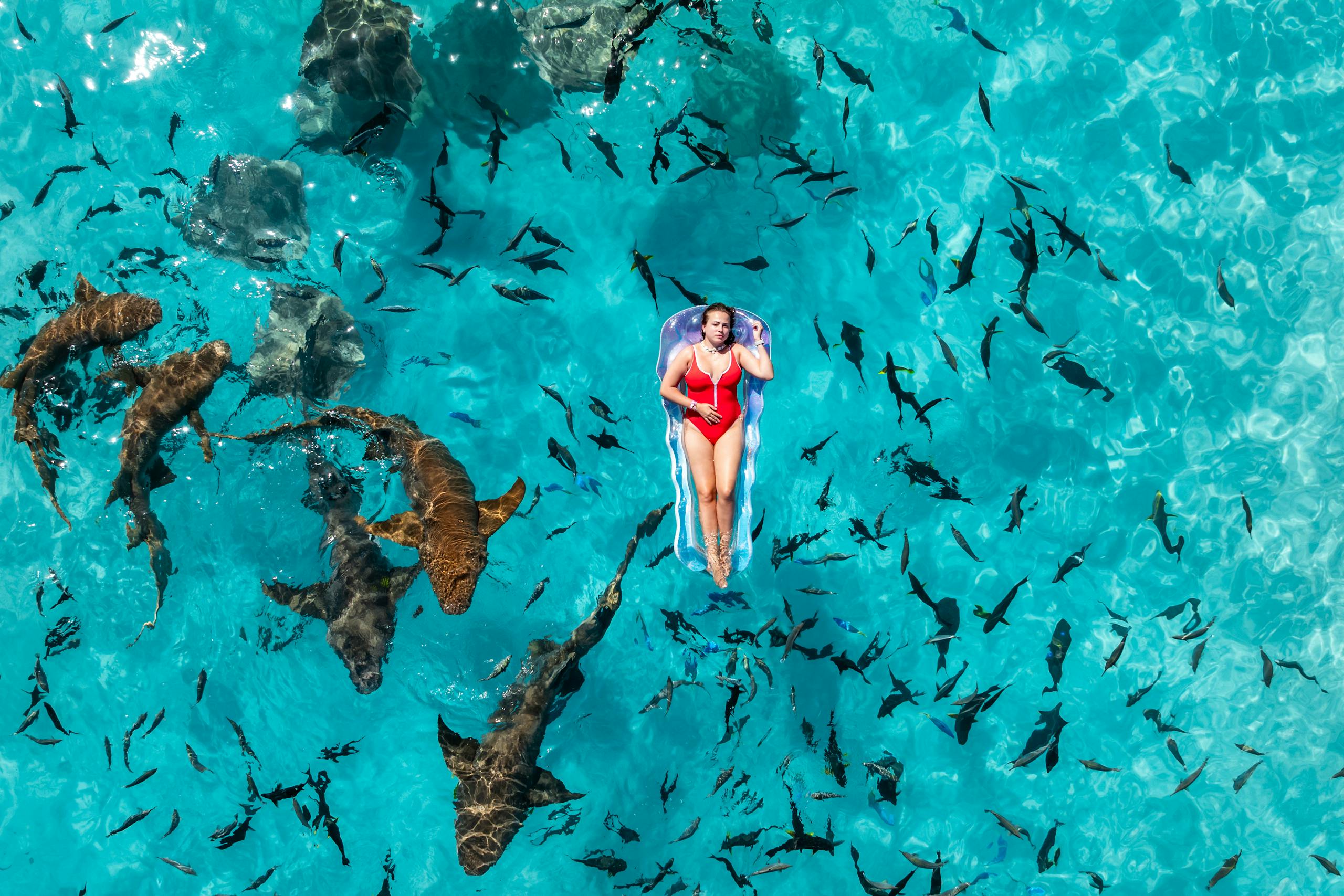
Tens of millions of people enter shark-inhabited waters every year. Surfers, divers, swimmers, fishermen, the ocean is shared constantly, and the overwhelming majority of those interactions involve nothing more dramatic than two animals briefly occupying the same water.
Coastal communities that live and work alongside sharks, from the fishing villages of South Africa to the dive operators of the Maldives, have built practical relationships with animals that popular culture insists should be terrifying.
Shark diving tourism generates significant income. Shark finning bans, pushed partly by communities who understand the animals’ ecological role, are slowly gaining ground.
Fear of sharks is largely a marketing problem that a 1975 film made considerably worse.
Venomous Snakes

Rattlesnakes in Arizona suburbs. Cobras in Indian villages. Black mambas near South African homesteads.
Venomous snakes live close to humans on every inhabited continent, and the instinctive response, kill it immediately, has been giving way, slowly but genuinely, to something more sophisticated.
Snake awareness programs across Asia and Africa have shifted the default behavior from eradication to avoidance.
Communities learn to identify local species, understand that most bites occur during defensive encounters, and contact trained wildlife handlers rather than reaching for a machete.
The results have been measurable reductions in snakebite incidents alongside preserved populations of animals that quietly eliminate the rodents that damage grain stores and spread disease.
The snake outside your door is almost certainly more interested in the rat under your floor than in you.
Conclusion
The most dangerous animals on Earth are not always somewhere else. They are in cities, along rivers, inside national parks that share borders with farms, in oceans where children learn to swim.
What every successful coexistence story in this list has in common is not the absence of danger, it is the presence of knowledge.
Communities that live well alongside leopards, bears, wolves, and hippos are not braver than anyone else.
They are more informed. They understand that most wildlife, most of the time, is not looking for a confrontation with a human being. It is looking for food, territory, and safety… the same things we are.
The animals moved in long before we did. In a lot of cases, we are the ones who showed up uninvited. Learning to be decent neighbors, it turns out, goes both ways.


