8 popular foods that aren’t as good as people pretend
Stop pretending you actually enjoy eating 24-karat metal or drinking perfume. We live in a golden age of culinary gaslighting, where social media hype often trumps actual flavor. It’s 2025, and while our wallets are getting thinner, our tolerance for overpriced, photogenic disappointment is finally hitting a wall. I’ve eaten my fair share of “luxury” garbage to fit in, but it’s time we admit that some emperors have no clothes—and they taste like chemicals.
Here are 8 popular foods that just aren’t worth the hype.
Truffle oil

You’ve seen it drizzled on fries at every gastropub, promising earthy decadence. Here’s the dirty secret: it usually contains zero truffles. Most commercial truffle oil is olive oil mixed with 2,4-dithiapentane, a synthetic lab creation derived from petroleum products.
Celebrity chefs hate it. The late Anthony Bourdain famously called it “about as edible as Astroglide”. You aren’t tasting a rare fungus dug up by a pig in Italy; you’re tasting a chemical perfume designed to trick your brain. Save your $5 upgrade fee.
Edible gold leaf
Why do we insist on wrapping steak in metal? Gold is chemically inert, meaning it has absolutely no flavor or nutritional value. You are literally eating nothing but a price tag.
The environmental cost is even uglier. Mining enough gold for a single ring generates roughly 20 tons of toxic waste. When you order that gold-flecked dessert, you aren’t just wasting money; you’re supporting an industry that devastates landscapes for a garnish that gets stuck in your teeth.
Lobster
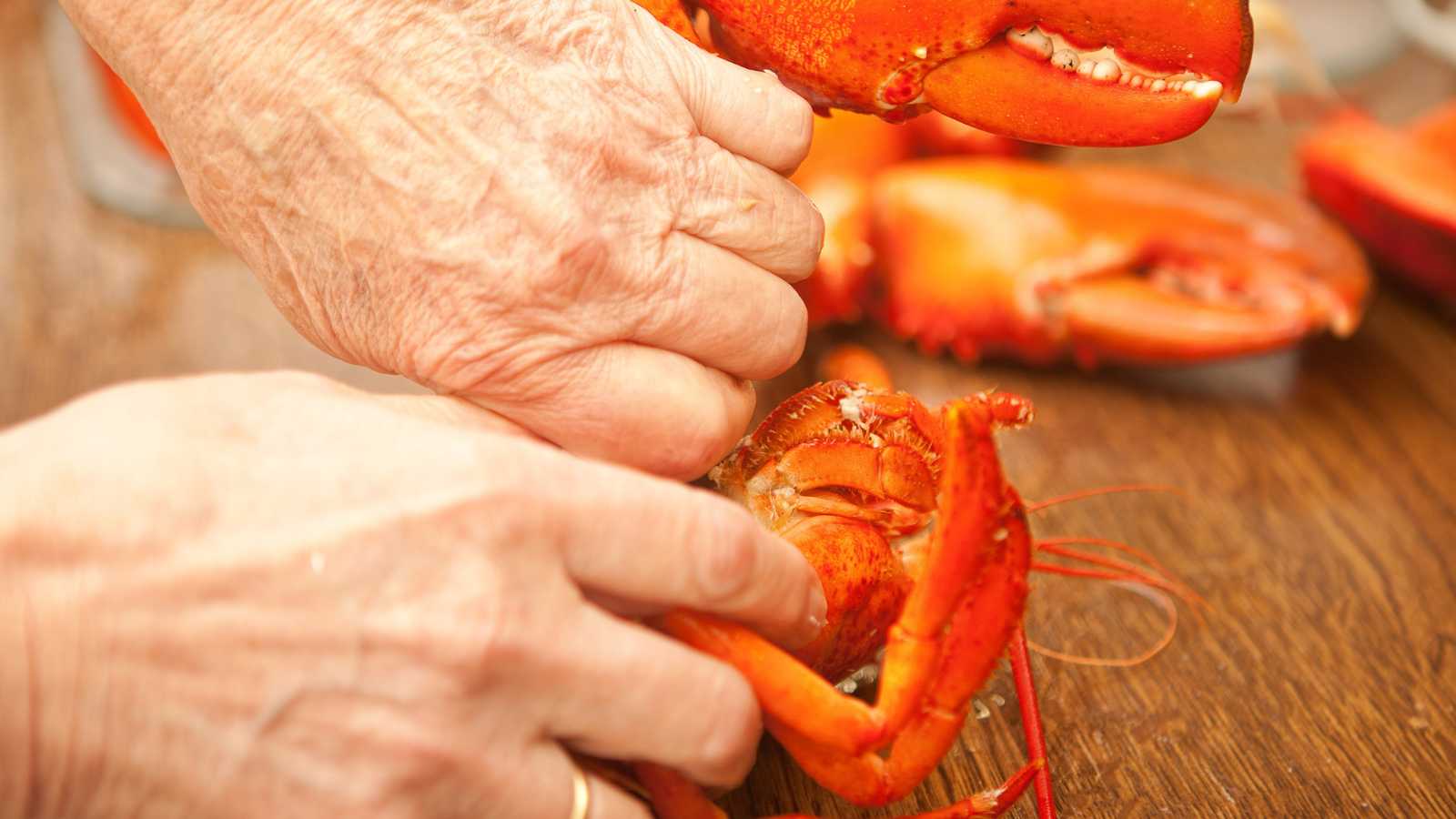
Let’s be real: if lobster were so good, would we need to drown it in a cup of melted butter to enjoy it? Historically, lobster was considered “garbage food” fed to prisoners, but marketing turned it into a luxury.
The environmental toll is massive. Lobster boats burn up to 10,000 liters of fuel per catch, making it one of the most carbon-intensive proteins you can buy. IMO, you’re paying a premium for the labor of cracking a shell, not the meat itself.
Macarons
I love a good cookie, but paying $2.50 to $4.00 for a single bite of air is madness. Macarons are notoriously tricky to make, which drives up the price, but that labor doesn’t translate to flavor complexity.
Structurally, they are mostly almond flour and powdered sugar, creating a calorie bomb with very little satiety. A standard macaron is mostly sugar, spiking your insulin without filling you up. You’re paying for the aesthetic, not the snack.
Kobe beef sliders

Grinding ultra-expensive Kobe or Wagyu beef into a burger defeats the meat’s entire purpose. The value of Kobe lies in its delicate intramuscular fat structure, which melts on the tongue when served whole.
When you grind it, that structure is destroyed, and the fat renders out on the grill. Bourdain called the Kobe slider the “epicenter of douchedom”, noting that it adds nothing to the burger experience but cost. Plus, many menus offer “Wangus” (Wagyu-Angus hybrids) at full luxury prices.
Charcuterie boards are glorified adult lunchables
We reached peak “grazing table” in 2024, and thankfully, the trend is finally cooling down. Restaurants mark up these boards by 300%, serving you cold cuts you could buy at the deli for a fraction of the price.
From a hygiene perspective, they are a nightmare. Do you really want to eat cheese that’s been sweating at room temperature while twenty strangers hover over it? The trend is fading as people realize they are paying $45 for crackers and jam.
Kale
Kale had a great run, but let’s admit it: eating raw kale is like chewing on a hedge. It’s high in oxalates, which can bind to minerals and cause kidney stones if you overdo it—you’d need to eat 600 cups to hit dangerous levels, but even small amounts block calcium absorption.
Data shows consumers are tired of the texture; growers report that kale has returned to “niche vegetable” status in 2025. Spinach offers similar nutrients without requiring a jaw workout.
Raw oysters
Lovers of oysters wax poetic about “tasting the sea,” but for many, it’s just swallowing salty snot. Climate change is making this gamble even riskier.
Warmer waters have led to a spike in Vibrio bacteria. In 2025, the Louisiana Department of Health reported a significant rise in severe Vibrio infections linked to raw oysters, some resulting in limb amputation or death. Is a textureless appetizer really worth playing bacterial roulette?
Key Takeaway

We often confuse high prices and viral trends with actual quality. True luxury is flavor and sustainability, not synthetic oil or shiny metal. Next time you dine out, skip the hype and order something that actually tastes good. Your wallet (and taste buds) will thank you.
Read the Original Article on Crafting Your Home.