

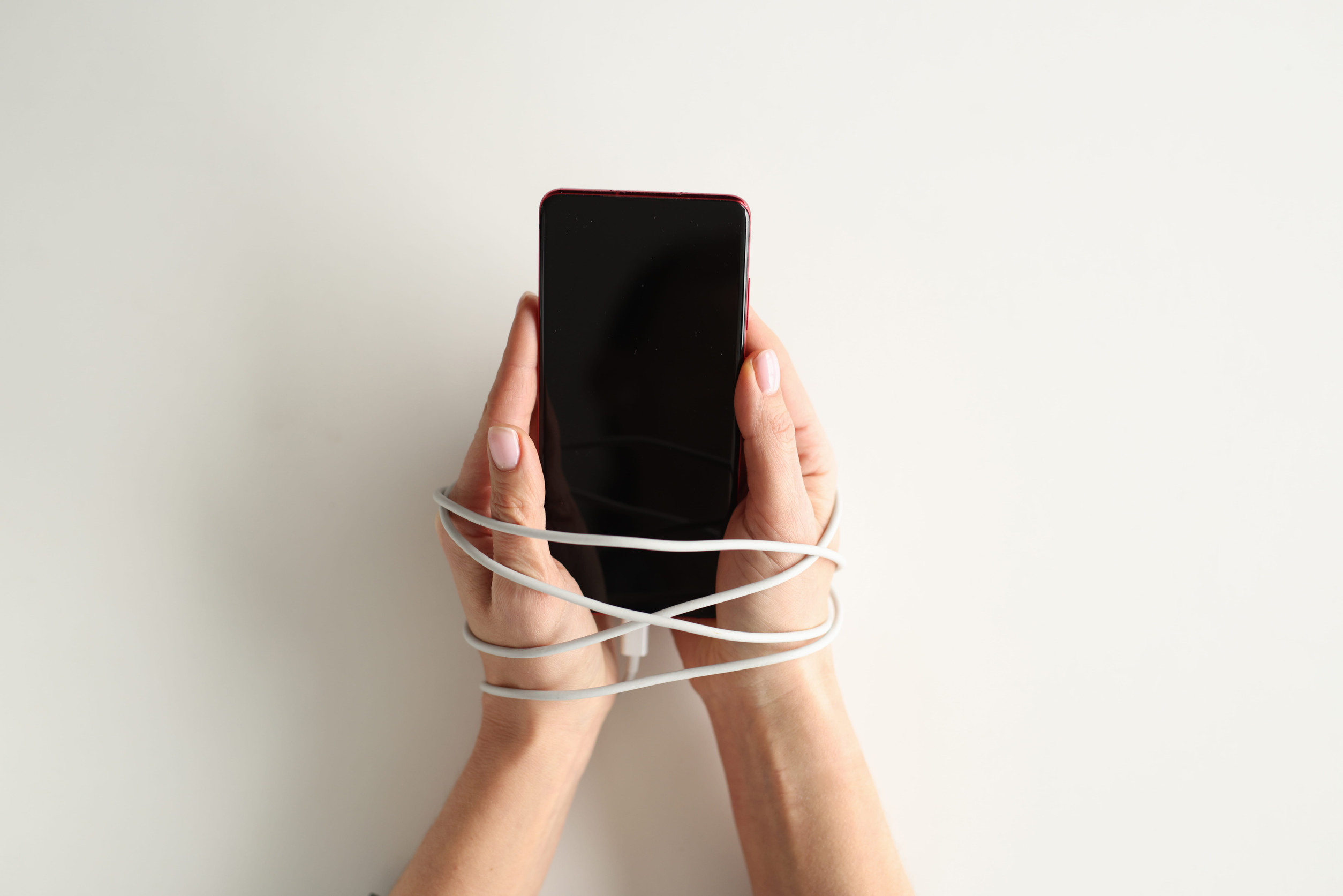
We’re all guilty of it, reaching for our phones without thinking, scrolling mindlessly, or letting those constant notifications steal our attention. It’s no wonder that many of us feel more anxious, distracted, and overwhelmed than ever before.
Phones have become integral to our lives, but the habits that come with constant use can take a serious toll on our mental health. If you’re ready to feel more grounded, productive, and at peace, it’s time to reevaluate how you use your phone.
Let’s dive into eight phone habits that you need to stop this year to take better care of your mental health and overall well-being.
Constantly Checking Social Media
Social media has transformed how we connect with others, but it can also be a major source of anxiety and stress. The constant checking, scrolling, and refreshing of your feed can leave you feeling inadequate and drained. It’s easy to get sucked into the trap of comparing your life to others, whether it’s their vacations, achievements, or lifestyle.
This habit can fuel negative thoughts and even lead to feelings of loneliness. Instead of constantly checking your accounts, try setting specific times for social media use or consider a social media detox. By taking control of how much time you spend online, you’ll create more mental space for real-life connections and experiences.
Sleeping with Your Phone

There’s nothing more tempting than scrolling through your phone one last time before bed, but this habit can seriously impact your sleep and mental health. The blue light from your phone interferes with your natural circadian rhythms, making it harder to fall asleep and stay asleep. Over time, poor sleep can exacerbate feelings of anxiety, depression, and stress.
This year, consider leaving your phone in another room while you sleep. Create a calming bedtime routine that doesn’t involve your phone, whether it’s reading a book, meditating, or journaling. A better night’s sleep will leave you feeling refreshed and ready to face the day with a clearer mind.
Using Your Phone as a Distraction
It’s incredibly easy to pick up your phone when you’re feeling bored or anxious, but this constant distraction can prevent you from confronting your emotions. Whether you’re scrolling through social media, watching videos, or playing games, your phone provides a quick escape from your feelings. While it might feel good in the moment, this habit can lead to emotional avoidance, leaving underlying issues unresolved.
Instead of reaching for your phone, try practicing mindfulness or engaging in activities that require your full attention. Whether it’s exercising, talking to a friend, or spending time in nature, replacing mindless phone use with meaningful activities can help you address your emotions head-on and promote better mental health.
Constant Notifications Interrupting Your Day
Notifications are meant to keep us connected, but they often do more harm than good. The constant buzz or ping of incoming messages, emails, or social media alerts can fragment your attention and increase stress levels. You may feel like you’re constantly playing catch-up, trying to manage the constant distractions while juggling work, family, and personal life.
The result? Feeling overwhelmed and mentally exhausted. This year, take control by turning off unnecessary notifications or using your phone’s Do Not Disturb feature. By reducing interruptions, you’ll be able to focus on what matters most and reduce your overall stress levels.
Comparing Your Life to Others
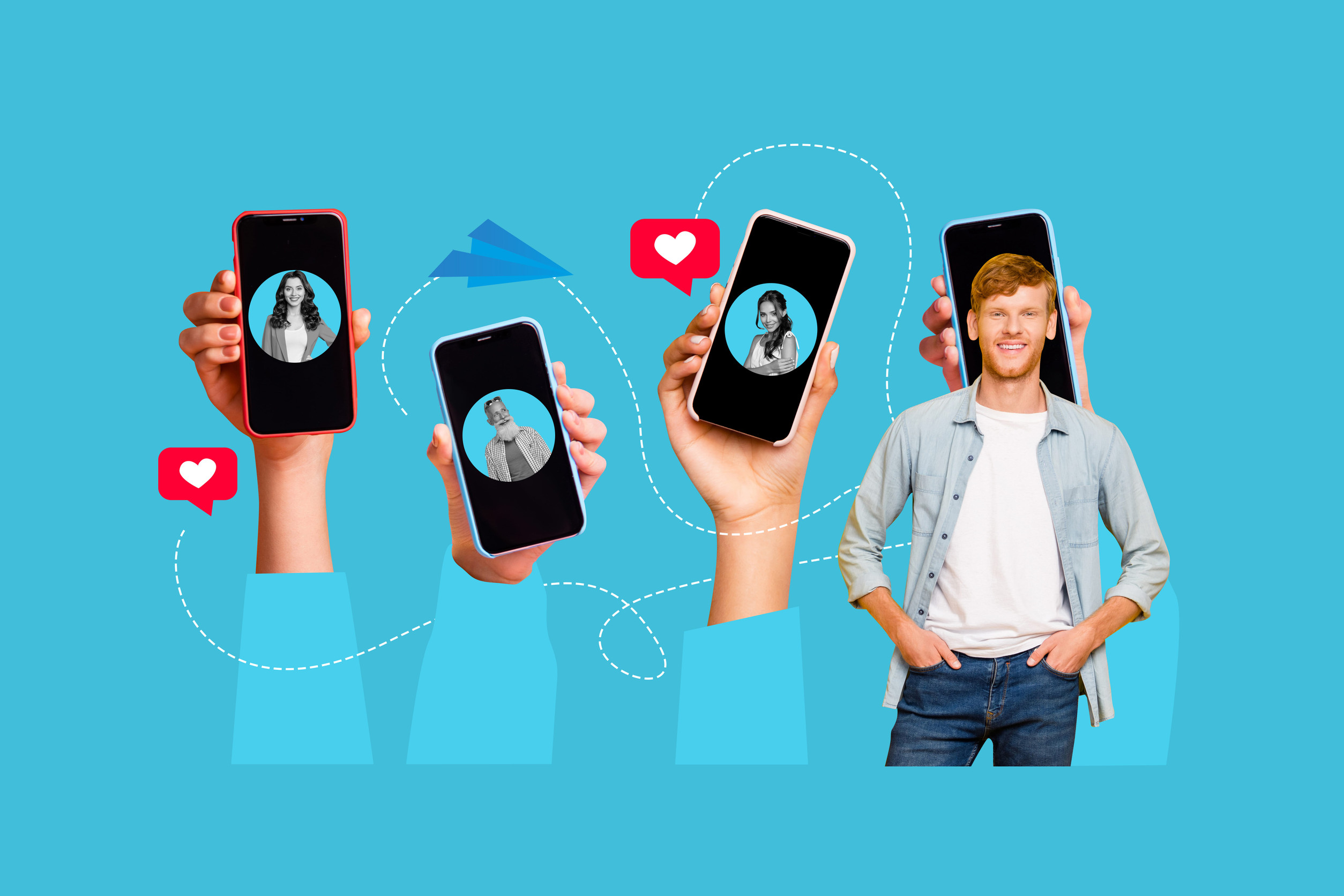
Let’s face it, social media has turned us into professional comparers. It’s hard not to scroll through photos and videos of others’ seemingly perfect lives without feeling like we’re falling behind. Whether it’s friends on exotic vacations, influencers showing off their latest purchases, or colleagues achieving professional milestones, this constant comparison can lead to feelings of inadequacy and frustration.
It’s important to remember that social media isn’t a true reflection of real life. People tend to post only the highlights, not the struggles. To protect your mental health, try limiting your exposure to these comparisons by setting boundaries with your social media use. Focus on your own journey and celebrate your own successes, no matter how big or small.
Mindlessly Binge-Watching Content

Binge-watching shows and movies has become a popular pastime, but it’s important to be mindful of how much time you spend in front of a screen. While it might seem like a good way to unwind, spending hours on end watching content can contribute to feelings of isolation, disconnection, and mental fatigue. When we binge-watch, we often neglect other important aspects of our lives, like socializing with loved ones, exercising, or pursuing hobbies.
This year, consider limiting your screen time or taking breaks between episodes. Make room for other activities that nurture your mind and body, such as reading a book, cooking a meal, or going for a walk.
Engaging in Toxic Conversations

Text messages, group chats, and social media can be hotbeds for negativity. Whether it’s gossiping, venting, or arguing, engaging in toxic conversations over your phone can have a profound impact on your mental health. These types of exchanges often leave us feeling drained, frustrated, and stressed, especially if they involve conflict or drama.
If you find yourself caught up in conversations that trigger negative emotions or stress, consider setting boundaries with others. It’s okay to walk away from a conversation or mute a group chat if the discussion is causing you harm. By protecting yourself from toxic communication, you’ll preserve your mental and emotional well-being.
The Fear of Missing Out (FOMO)
FOMO is a powerful force, especially when we’re constantly exposed to others’ curated lives on our phones. It’s easy to feel left out when we see friends hanging out, traveling, or achieving goals that we might not be experiencing. This fear can create feelings of loneliness, dissatisfaction, and self-doubt. But the truth is, everyone’s journey is unique, and comparing yours to someone else’s can steal your joy.
This year, try to embrace the present moment and focus on your own experiences. Instead of feeling envious or left out, take pride in the things you’re doing and the progress you’re making. FOMO loses its power when you realize that your own life is just as exciting and valuable as anyone else’s.
Conclusion
Phones have become an essential part of our daily lives, but the habits we develop around them can have a serious impact on our mental health. By stopping these eight phone habits this year, you can take control of your well-being and create a healthier, more balanced relationship with technology.
Remember, it’s not about completely disconnecting; it’s about being intentional with how you use your phone and making space for what truly matters. Taking a step back from mindless scrolling, constant notifications, and unhealthy comparisons will allow you to reconnect with yourself, your loved ones, and the world around you. Your mental health will thank you for it.


