

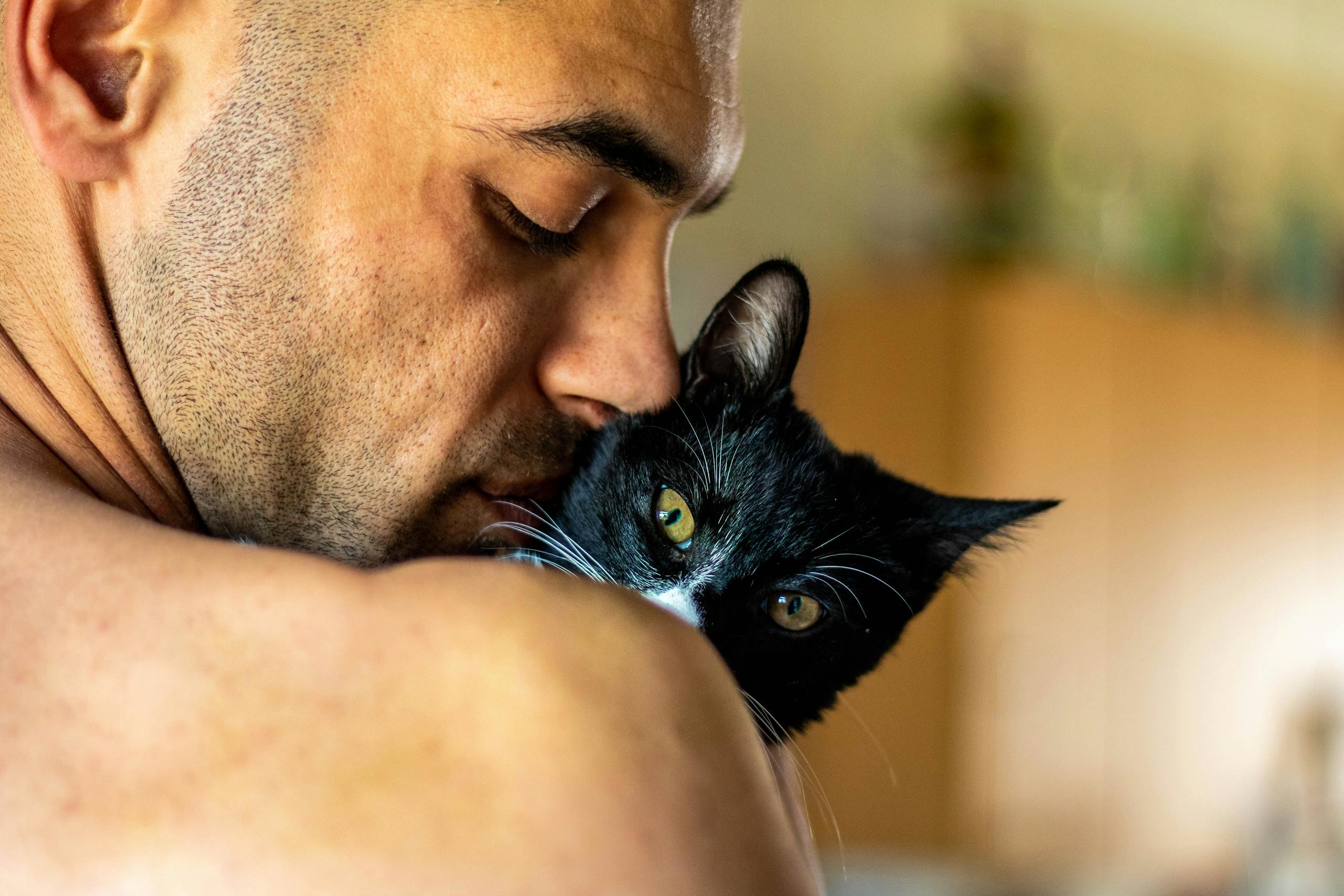
While pets bring unmatched joy and companionship to millions, their owners sometimes exhibit habits that can send non-pet owners into a frenzy.
These behaviors, often born from love, can unintentionally cross boundaries, leaving those who don’t share their lives with pets feeling uncomfortable.
Let’s dive into 8 common pet owner habits that often leave non-pet owners scratching their heads in disbelief.
Avoiding Professional Veterinary Care

Pets deserve top-tier care, just like any other family member. But some pet owners prefer to skip the vet, relying on their own (often misguided) knowledge or avoiding regular check-ups altogether.
Whether it’s choosing to treat their pet’s ailments with home remedies or avoiding the vet’s office altogether, this behavior can be alarming.
Non-pet owners tend to feel anxious about pet health being compromised when proper care is ignored.
Ignoring the Most Basic Responsibility
We’ve all seen it. A pet owner strolling through the park with their dog, leaving behind a little “gift” for others to discover.
While it’s a known responsibility, some pet owners still seem to forget or disregard the need to clean up after their pets.
Not only is it unsightly, but it’s also unsanitary. Failing to pick up waste in public spaces doesn’t just inconvenience others; it endangers public health and can be a real deal-breaker for non-pet lovers.
Letting Pets Lick Their Faces In Public

There’s something inherently intimate about a dog licking its owner’s face, but for non-pet owners, this can seem more unhygienic than affectionate.
Dogs explore the world with their mouths, and the thought of them kissing their owners, and in some cases, other people, on the lips can make non-pet owners cringe.
When done in public, it feels like an invitation to unwanted germs, leaving many wondering where the line lies between “pet love” and personal space.
Sharing Intimate Pet Details in Casual Settings
We’ve all been there. A pet owner begins to share incredibly personal details about their pet’s bathroom habits or their struggle to groom them, and the room goes silent.
What may seem like an innocent confession to an animal lover is just uncomfortable for others.
While pet owners may enjoy discussing their pets’ more intimate details, non-pet owners often wish these conversations stayed out of casual dinner-table chat.
Walking Dogs Off‑Leash in Crowded Spaces

Whether it’s an open city park or a crowded street, there’s always that one pet owner who thinks it’s a good idea to walk their dog off-leash.
While this might be acceptable in dog-friendly areas or fields, in urban settings, it can pose a safety hazard.
Unsupervised dogs can frighten people, disrupt public spaces, or even cause accidents. Non-pet owners often feel stressed by navigating an environment where unpredictably unleashed animals roam free.
Feeding Pets From the Table During Meals
Imagine sitting down to enjoy your meal, only to see your friend’s dog eagerly eyeing your plate and getting scraps tossed to them from under the table.
This may seem harmless to pet owners, but it’s not just a hygiene issue; it’s a question of etiquette.
Many non-pet owners find this practice unsanitary and distracting, especially when animals are introduced to food-related spaces that aren’t theirs.
Sneaking Pets Into Cafes, Restaurants, or Other No‑Pet Venues
Certain places simply aren’t equipped or designed for animals, especially when food is involved.
Whether it’s a high-end restaurant or a small café, non-pet owners can feel disturbed when they see animals brought into spaces that don’t allow them.
Worse still, some owners will try to pass their pets off as “service animals” when they clearly aren’t, disregarding venue rules and, more importantly, the comfort of other patrons.
Letting Barking Go Unchecked

A barking dog can be endearing to its owner but disruptive to everyone else in the vicinity. Whether it’s a sudden outburst or continuous barking, these noises can ruin peace and quiet, especially in quiet neighborhoods or when trying to focus in public spaces.
The failure to address constant barking leaves non-pet owners frustrated and questioning why some owners don’t take action to train their pets or contain their noise.
Conclusion
While pet ownership is a joyful experience, some habits can cause friction between pet owners and non-pet owners.
Respect for others and awareness of public spaces and boundaries are key to maintaining harmony.
Loving a pet shouldn’t come at the expense of respect for those who don’t share your enthusiasm for animals.
The best pet owners know when to draw the line, making sure their pets are happy without imposing their habits on others. A little mindfulness goes a long way in ensuring everyone, pets and people alike, can enjoy the world around them.


