


Parenting has evolved dramatically over the years. While baby boomers (born between 1946 and 1964) were known for their often strict, no-nonsense approach, some of their methods, once considered normal, would be considered completely unacceptable today. As society has shifted, so too have our standards for child-rearing, particularly regarding discipline and safety. What was once considered routine or even effective can now be seen as neglectful or abusive.
Though many boomers may look back on their childhoods fondly, it’s important to recognize that not all of their parenting habits would fly today. While the boomers’ intentions may have been good, some of these methods, now outdated and harmful, would likely land a parent in legal trouble if practiced today.
Let’s take a look at eight parenting habits from the boomer generation that could get you arrested today.
Spanking as Discipline
Spanking, or corporal punishment, was once considered an acceptable and even necessary form of discipline. Boomers were often raised with the belief that a good smack on the behind would teach a child to behave. In fact, many boomer parents saw it as a way of “setting boundaries” or “maintaining control.”
However, in today’s world, spanking is widely condemned. Studies have shown that physical punishment can lead to emotional trauma, behavioral problems, and even issues with aggression. Legal systems around the world have moved toward protecting children from physical harm, and in many places, spanking is considered a form of child abuse.
In fact, parents who use corporal punishment could find themselves facing charges of assault or child abuse, depending on the severity of the action and local laws. Today, the emphasis is on positive reinforcement, communication, and time-outs. Parents are encouraged to set clear expectations, model desired behavior, and address misbehavior with respect and understanding rather than resorting to physical force.
Leaving Kids Alone in the Car

Back in the day, it was common for boomers to leave their children in the car while they ran errands or went into a store. In fact, some parents even thought it was safer for the kids to stay in the car, where they could be “out of harm’s way.” However, as awareness about child safety and the risks of heatstroke and kidnapping has increased, leaving a child alone in the car is now seen as a serious threat to a child’s well-being.
Shaming Children Publicly
Public shaming was once considered an effective form of discipline, and many boomers remember having their parents humiliate them in public for misbehaving. Whether it was through embarrassing lectures, public reprimands, or even forcing children to apologize in front of others, public shaming was a strategy often used to reinforce authority.
However, in today’s parenting culture, shaming is viewed as emotionally abusive. Studies show that humiliation can damage a child’s self-esteem, cause long-term emotional trauma, and even lead to behavioral problems.
Parents who publicly shame their children could face charges of emotional abuse or neglect. Modern parenting practices advocate for fostering healthy communication, emotional support, and discipline in private, away from the judgment of peers or strangers.
Allowing Children to Play Outside Without Supervision

While boomers fondly recall the days of running wild outside, playing in parks or the streets, and being largely unsupervised, today’s parents are generally much more cautious. In fact, leaving kids to play outside without supervision could land a parent in hot water today, depending on the circumstances.
In recent years, the concept of “free-range parenting,” in which children are given greater autonomy to explore and play without constant adult supervision, has been widely debated. While proponents argue that kids need independence and the opportunity to develop resilience, critics point out the risks involved, particularly when it comes to child predators, accidents, or even the possibility of the child wandering into dangerous areas.
Many local laws require children to be supervised by an adult, and parents can be charged with neglect if they leave their children unsupervised for extended periods in public areas. Of course, this doesn’t mean outdoor play is off-limits; it just means parents are encouraged to keep a watchful eye or set safety boundaries.
Letting Kids Skip School Without Consequences
In the past, skipping school was a rite of passage for many children, and some boomer parents took a lax approach to truancy. In some cases, kids were allowed to skip school occasionally without serious consequences. Whether it was for a family outing or simply to “give the child a break,” skipping school was often seen as a minor issue.
Today, however, skipping school is taken much more seriously, with strict attendance laws. Parents who allow their children to skip school without a valid reason could face criminal charges for child neglect or educational neglect.
Truancy laws are in place to ensure that children receive a proper education, and in many jurisdictions, parents can be fined or even face jail time if their child consistently skips school. Regular attendance is now seen as an essential part of a child’s development, and parents are expected to enforce school attendance rules.
Smoking Around Children

During the boomer generation, smoking was not only socially acceptable but also a frequent part of everyday life. Parents smoked in the car, the house, and even in front of their children without a second thought. There was little awareness about the dangers of secondhand smoke, and it was considered a normal part of family life for many.
Today, smoking in the presence of children is considered highly irresponsible and dangerous. Numerous studies have shown the harmful effects of secondhand smoke on children’s health, including increased risk for asthma, respiratory infections, and even sudden infant death syndrome (SIDS).
In many places, smoking near children is illegal, and parents who smoke around their kids could face fines or other legal consequences. Moreover, in public spaces and within the home, smoking bans are common in many countries to protect the health of children and non-smokers.
Putting Kids to Work Too Early
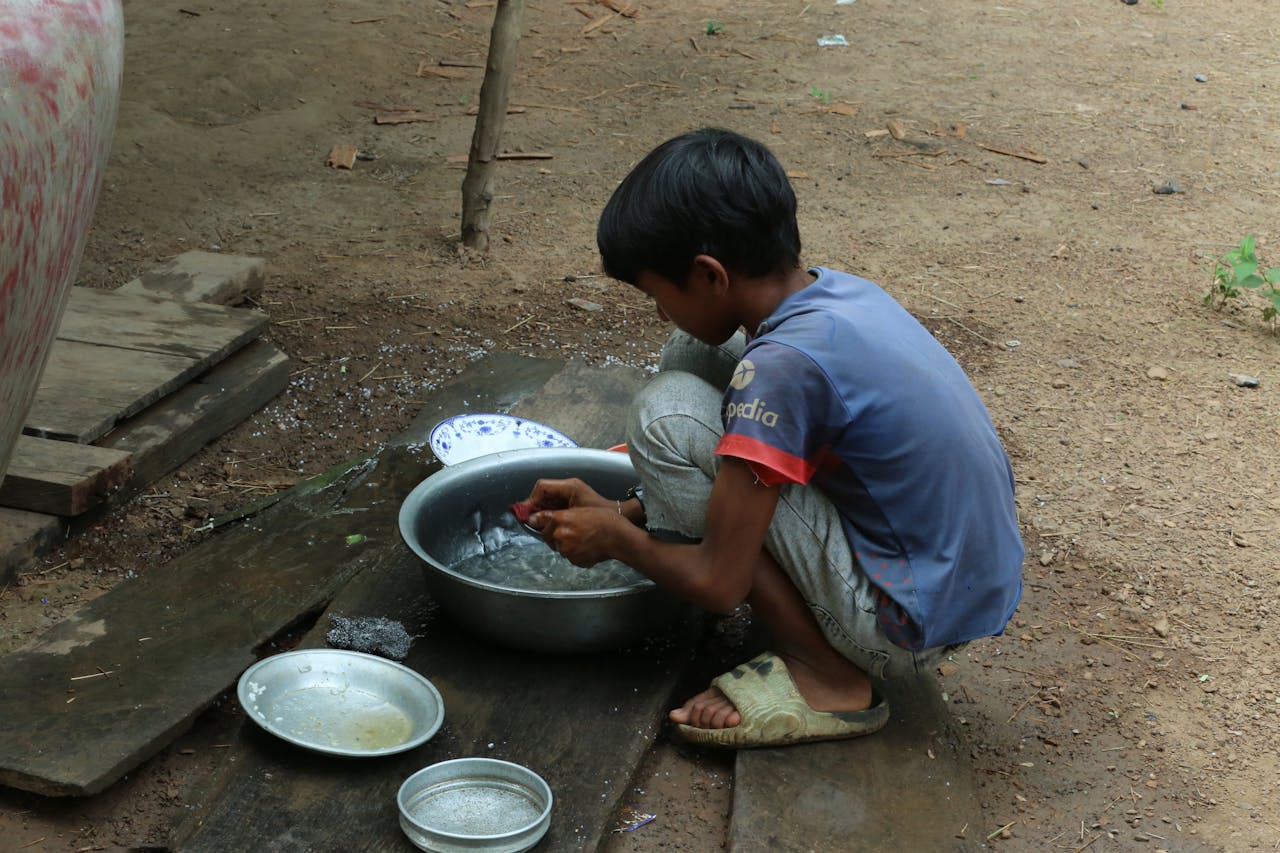
During the boomer era, many parents expected their children to contribute to household chores and family businesses from a young age. It wasn’t unusual for children to be assigned difficult tasks such as heavy yard work, babysitting siblings, or even working in family-run businesses. While this may have been seen as a way to teach responsibility, many of these tasks could have crossed the line into child labor.
In today’s world, child labor laws are much stricter, and parents can face legal consequences for making children work beyond what is considered appropriate for their age. According to child labor laws, children are not allowed to work in hazardous conditions, and there are strict rules about the hours and types of work children can perform.
Any activity that detracts from a child’s education, well-being, or personal development can be considered a violation of these laws. Parents must ensure that their children’s responsibilities are age-appropriate and do not interfere with their education or social development.
Conclusion
While many boomers had good intentions when it came to parenting, times have changed, and the old ways are no longer considered acceptable. What was once seen as a way to teach discipline or encourage independence is now understood to be harmful to children’s physical and emotional well-being.
Today’s parents must be more mindful of the long-term effects of their parenting choices, prioritizing safety, respect, and emotional health. The key takeaway is that parenting has evolved, and what worked for previous generations may not always be the best approach today.
By embracing modern parenting techniques that emphasize communication, understanding, and respect, parents can foster a healthier, more positive environment for their children. After all, the ultimate goal is to nurture well-adjusted, emotionally healthy children who can thrive in today’s world.
Read the original Crafting Your Home.


