


Tourism has been an integral part of the global economy for decades, bringing millions of people to explore different cultures, landscapes, and natural wonders. However, along with the influx of travelers, a series of outrageous and downright reckless tourist activities has caught the attention of governments and organizations worldwide.
These activities often involve extreme behavior, environmental damage, or cultural insensitivity, leading to their strict prohibition. What once might have seemed like harmless fun is now deemed unacceptable in the face of growing awareness of preservation and ethical tourism.
Here are eight outrageous tourist activities that are now strictly prohibited, and for good reason.
Climbing Sacred Mountains

For centuries, people have been drawn to the peaks of the world’s most majestic mountains. However, some of these mountains hold deep spiritual significance for the local communities, and climbing them is a serious violation of sacred traditions. In recent years, many sacred mountains around the globe have been closed to tourists.
One of the most famous examples is Mount Fuji in Japan, which, while not strictly off-limits, has implemented significant restrictions. While Japan’s government has made climbing this revered peak a regulated activity, the culture surrounding its summit remains sacred to the Japanese people. A more dramatic case was that of Mount Kinabalu in Malaysia. In 2015, a group of tourists stripped naked on the summit for a photo op, resulting in the mountain being temporarily closed to climbers.
This act of disrespect sparked national uproar, and local authorities imposed a permanent ban on such behavior. Cultural insensitivity such as this not only damages the reputation of travelers but also deeply disrespects the beliefs and practices of indigenous cultures.
Touching the Great Wall of China
The Great Wall of China, one of the world’s most recognizable landmarks, has long been a symbol of the country’s strength and history. Yet some tourists took their admiration of the Wall too far, climbing over its barriers and damaging its fragile structure. As a result, local authorities have enacted strict prohibitions against such behavior.
While the wall was once open to climbing in various sections, the damage caused by tourists, including graffiti, littering, and climbing without regard for the preservation of the ancient stones, led to the imposition of limits. The Badaling section of the Wall, the most accessible and popular with tourists, has seen reduced open access due to overcrowding and damage from reckless climbing.
In recent years, the Chinese government has ramped up security measures and even prohibited tourists from touching the wall in some areas, ensuring it remains intact for future generations.
Swimming with Dolphins in the Wild
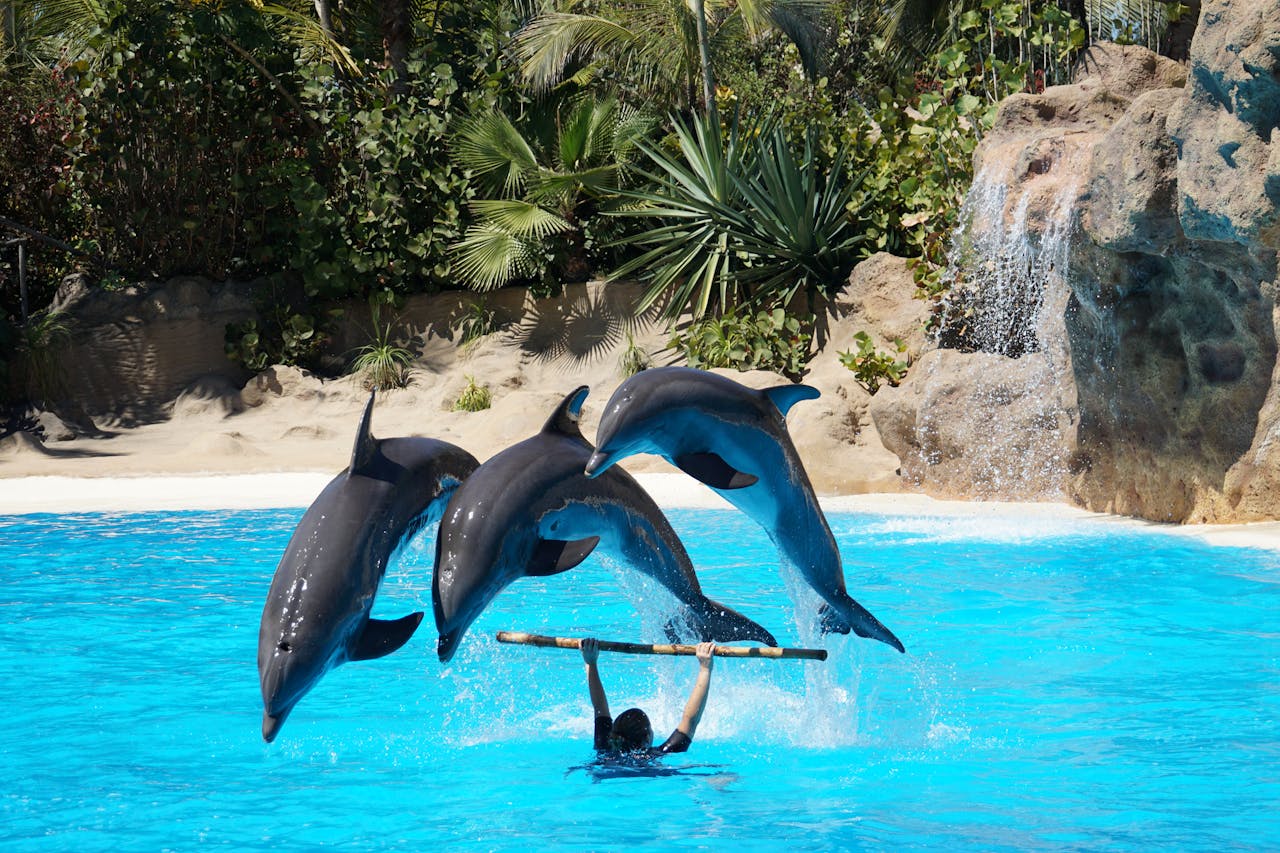
For years, tourists seeking to get up close and personal with marine life flocked to destinations where they could swim with dolphins. These animals, known for their intelligence and sociability, became a staple attraction at many resorts. However, swimming with wild dolphins in their natural habitats has been banned in many regions due to concerns about their well-being and the negative effects of human interaction.
In places like New Zealand and Hawaii, laws have been passed to prevent tourists from interacting with wild dolphins, as such encounters can disrupt their natural behaviors and expose them to potential harm. The ban is particularly important in ecosystems where dolphins rely on their natural environments to hunt, socialize, and rest.
Wildlife experts have noted that such human-dolphin interactions often leave dolphins stressed, disoriented, or even injured, underscoring the need for protective measures to safeguard their safety.
Removing Sand from Beaches
The allure of white-sand beaches often leads travelers to take home a souvenir they believe will remind them of their tropical getaway. However, taking sand from beaches is illegal in many places and environmentally harmful. Across the globe, Sicily’s beaches, Hawaii’s sands, and Egypt’s Red Sea have become notorious for the issue of tourists taking sand, pebbles, and shells.
This illegal practice led the Hawaiian Islands to pass stringent laws in 2008, making it a criminal offense to take sand from any of its beaches. The demand for these natural resources can disrupt the fragile ecosystems that depend on sand, especially in coastal areas where beaches erode over time.
In some countries, authorities have stepped up by enforcing hefty fines and, in rare cases, arresting offenders who attempt to steal these valuable natural materials. This has now become one of the most well-known forms of tourist vandalism.
Feeding Wild Animals
In places like Thailand and India, where tourists often interact with wild animals such as monkeys, human feeding has led to increased aggression and the spread of diseases between animals and humans.
In response, many countries have implemented strict no-feeding rules in tourist hotspots. These rules are designed to protect both wildlife and human health, as animals that rely on human food can lose their natural hunting skills, become overly aggressive, and even transmit diseases such as rabies. As awareness grows, many nature reserves have set clear boundaries, prohibiting tourists from feeding animals to preserve the integrity of natural habitats.
Taking Photos in Sacred or Restricted Areas

Social media has led to a boom in tourist photoshoots at iconic landmarks and sacred sites. While it’s natural to want to capture memories, some locations have had to ban photography altogether due to its negative impact on both visitors and the sites themselves.
The Angkor Wat temple complex in Cambodia is one such location. A few years ago, photographers and tourists taking improper photos at the site caused considerable disturbances and damage to the historical monuments. In response, the Cambodian authorities have strictly limited photography in certain areas, especially where camera flashes could damage ancient stone carvings.
The Sistine Chapel in Vatican City also banned photography after tourists repeatedly ignored signs and took photos, causing light damage to Michelangelo’s priceless frescoes. These bans are now common in many places where the preservation of historical artifacts or religious sanctity is paramount.
Walking on the Great Barrier Reef
The Great Barrier Reef is one of the most incredible marine ecosystems on the planet, drawing millions of tourists annually. However, the sheer volume of visitors combined with the effects of tourism has caused significant damage to this natural wonder. Coral reefs are extremely delicate, and the impact of mass tourism, ranging from boat anchors to tourists walking on coral, has led to restrictions on certain activities.
Riding Elephants
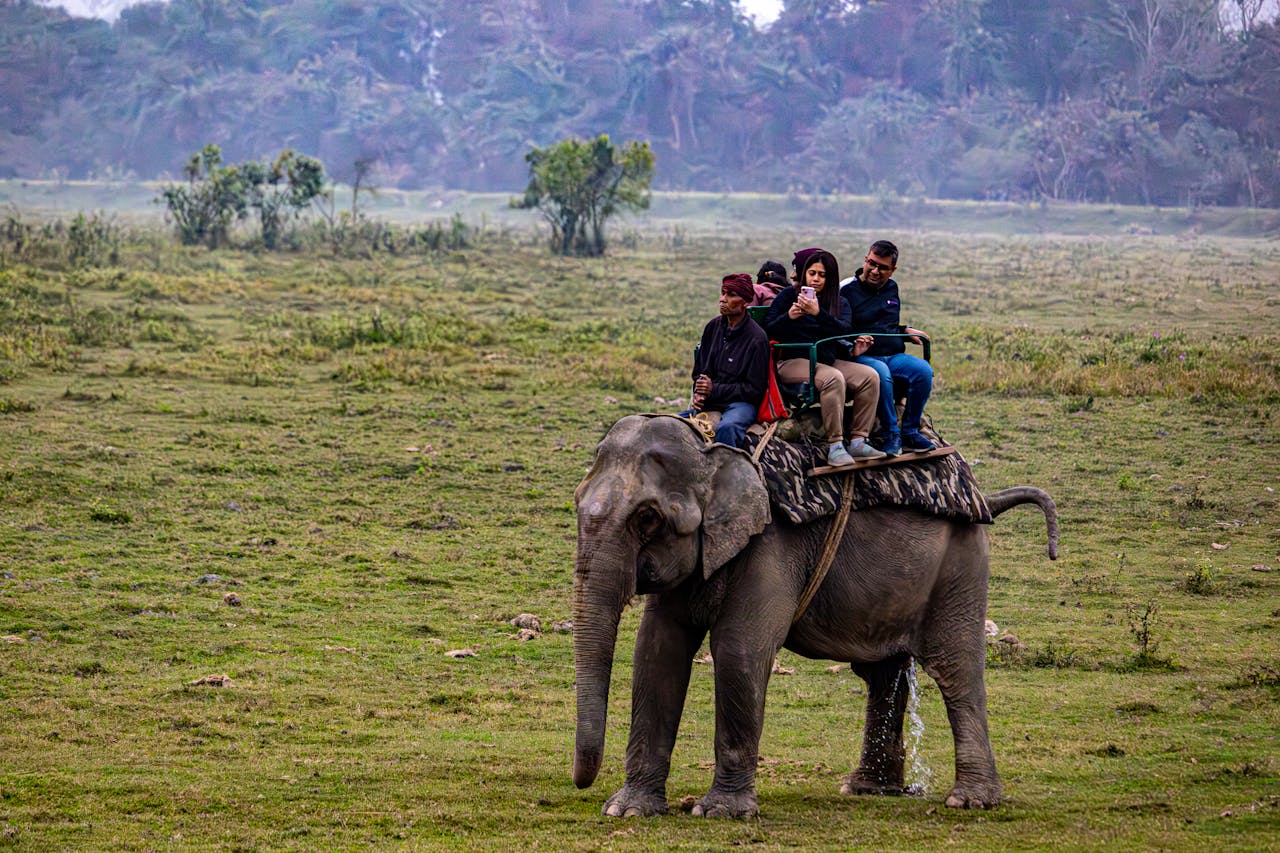
The practice of riding elephants has long been a popular tourist activity in countries like Thailand, India, and Sri Lanka, where tourists pay to ride these majestic animals through picturesque landscapes. However, the cruelty involved in training elephants for rides has led to widespread condemnation, and many countries have implemented full bans on the practice.
Elephants used for rides are often subjected to harsh training methods, where they are confined, beaten, or deprived of food to break their will. This inhumane treatment has prompted several major tourism organizations and countries to outlaw elephant rides entirely.
In Thailand, for example, many popular tourist attractions now focus on ethical elephant sanctuaries that prioritize the animals’ well-being. This change has been a step toward improving animal welfare and promoting sustainable tourism.
Conclusion
The tourism industry is an undeniable force in the global economy. However, the actions of a few irresponsible travelers have led to the imposition of strict regulations designed to protect both natural environments and cultural heritage. From climbing sacred mountains to taking photos in restricted areas, tourists need to be mindful of the lasting effects their actions can have on the world around them.
The shift toward ethical tourism is crucial for ensuring that future generations can enjoy the same wonders we do today. By adhering to the regulations, tourists not only help preserve these precious locations but also contribute to a more responsible, sustainable tourism culture.
Read the original Crafting Your Home.


