8 Oldest Food Brands Still Thriving Today
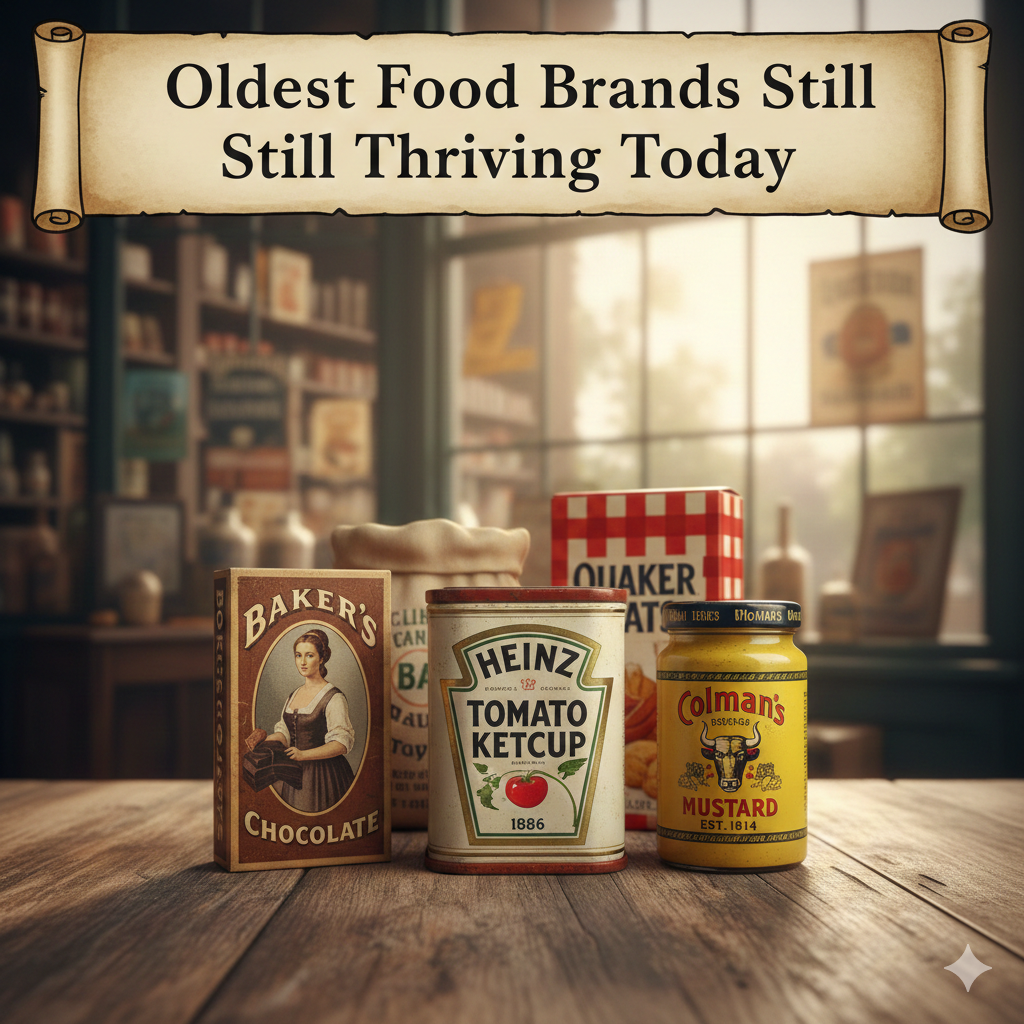
Some food brands are so ingrained in our daily lives that we often forget how long they’ve been around. These iconic companies have stood the test of time, delighting customers for decades, and sometimes even centuries. While we take for granted that they’re always available on grocery store shelves, the histories of these legendary food brands are a fascinating journey through the changing tides of culture, technology, and global events.
This article explores 8 of the oldest food brands that have shaped our eating habits over the years.
Oscar Mayer
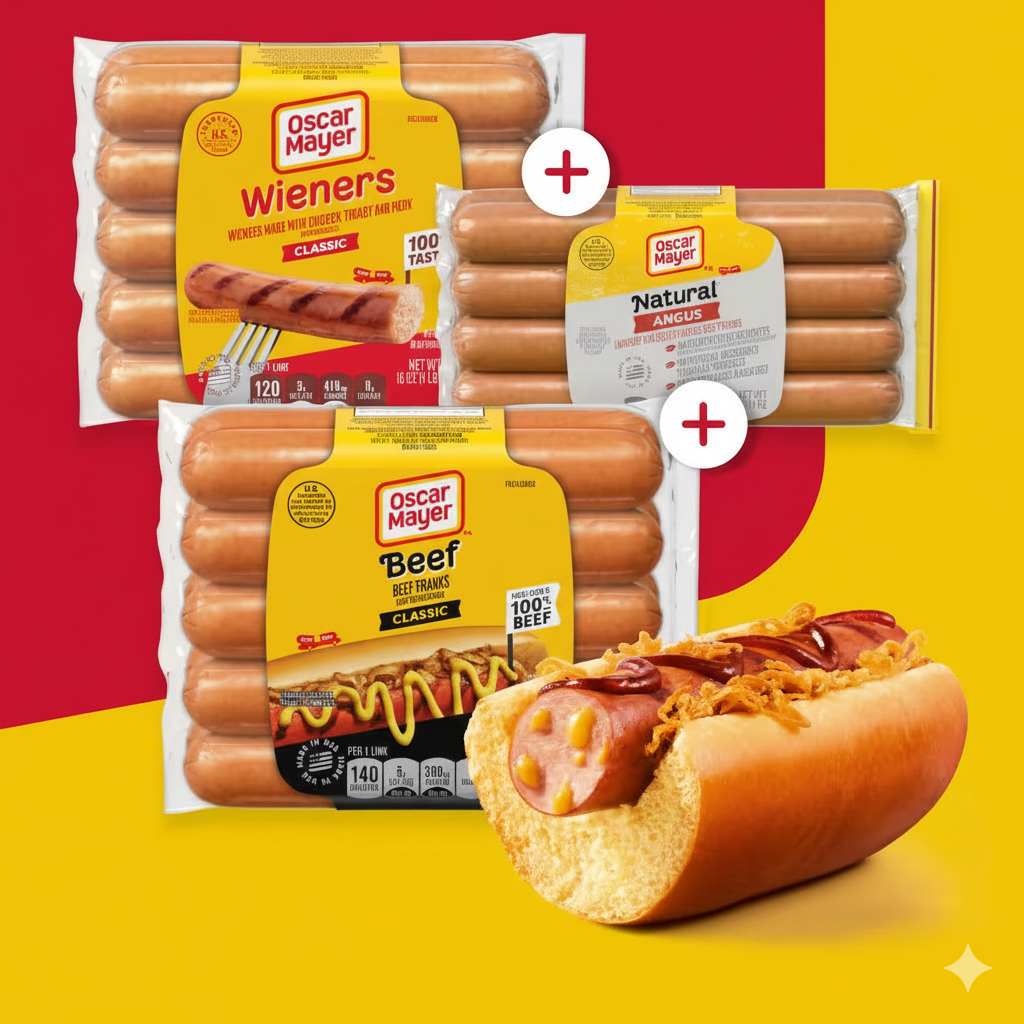
Oscar Mayer, known for its delicious hot dogs and iconic Wienermobile, has been a beloved name in the meat industry for over a century. Oscar Mayer’s journey began when Oscar F. Mayer, an immigrant from Bavaria, opened a small butcher shop in Chicago in 1883. Mayer, who had been trained in butchery in Germany, quickly rose to prominence by selling high-quality meats. By the 1900s, the brand expanded to include various processed meat products such as bacon, sausages, and deli meats.
Pillsbury
Pillsbury is synonymous with baking in America. Founded in 1869 in Minneapolis, Minnesota, by Charles A. Pillsbury, the company initially focused on milling high-quality flour. However, as consumer demands shifted, Pillsbury expanded into baking products, earning its place in homes across the United States.
Jell-O
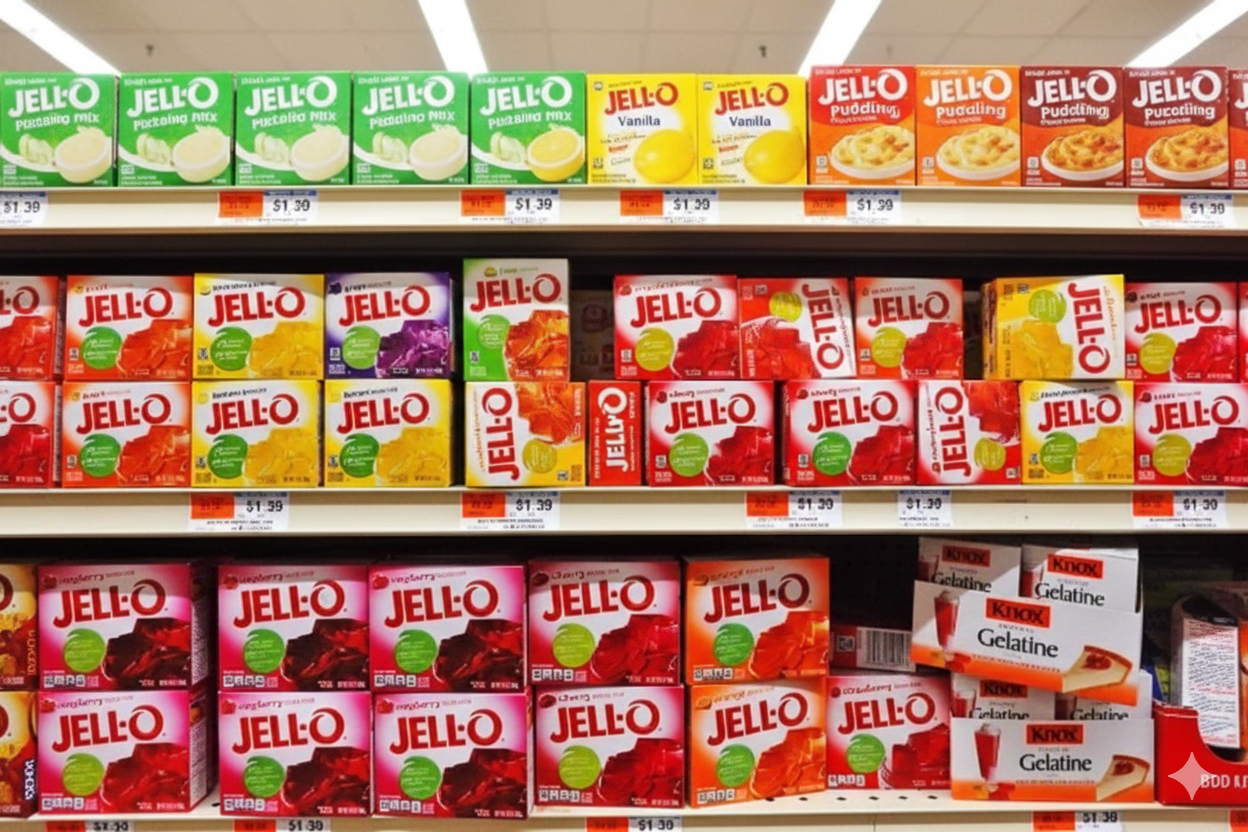
No conversation about iconic American food brands would be complete without mentioning Jell-O. Originally created by Pearle Wait, a carpenter and apothecary from LeRoy, New York, in the late 19th century, Jell-O began as a gelatin dessert. In 1899, the brand was sold to Orator Woodward, who took it to new heights.
Del Monte
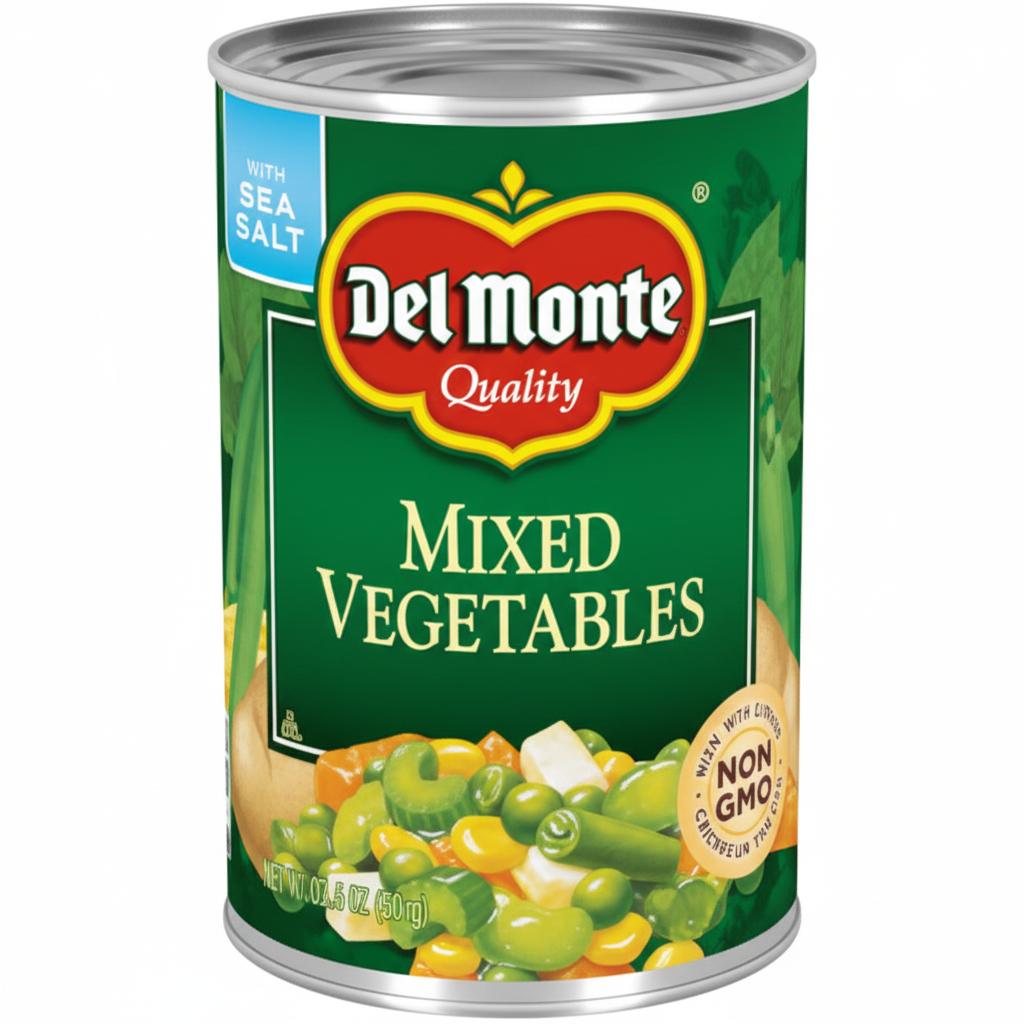
Del Monte, a name we associate with canned fruits and vegetables, has an even deeper history. Originally founded as the California Fruit Canners Association (CFCA) in 1886, Del Monte became a flagship brand for canned food in the United States. It was first introduced as a coffee product before transitioning to canned fruits and vegetables, earning its spot as one of the most recognized brands in the world.
Keebler
Keebler, another powerhouse in the world of food brands, was founded in 1853 by Godfrey Keebler in Philadelphia, Pennsylvania. Originally starting as a bakery, Keebler grew into one of the most well-known names in the cookie and cracker market. The company’s humble beginnings eventually led to its merger with United Biscuit Company in the 1920s, solidifying its place in the food industry.
Entenmann’s
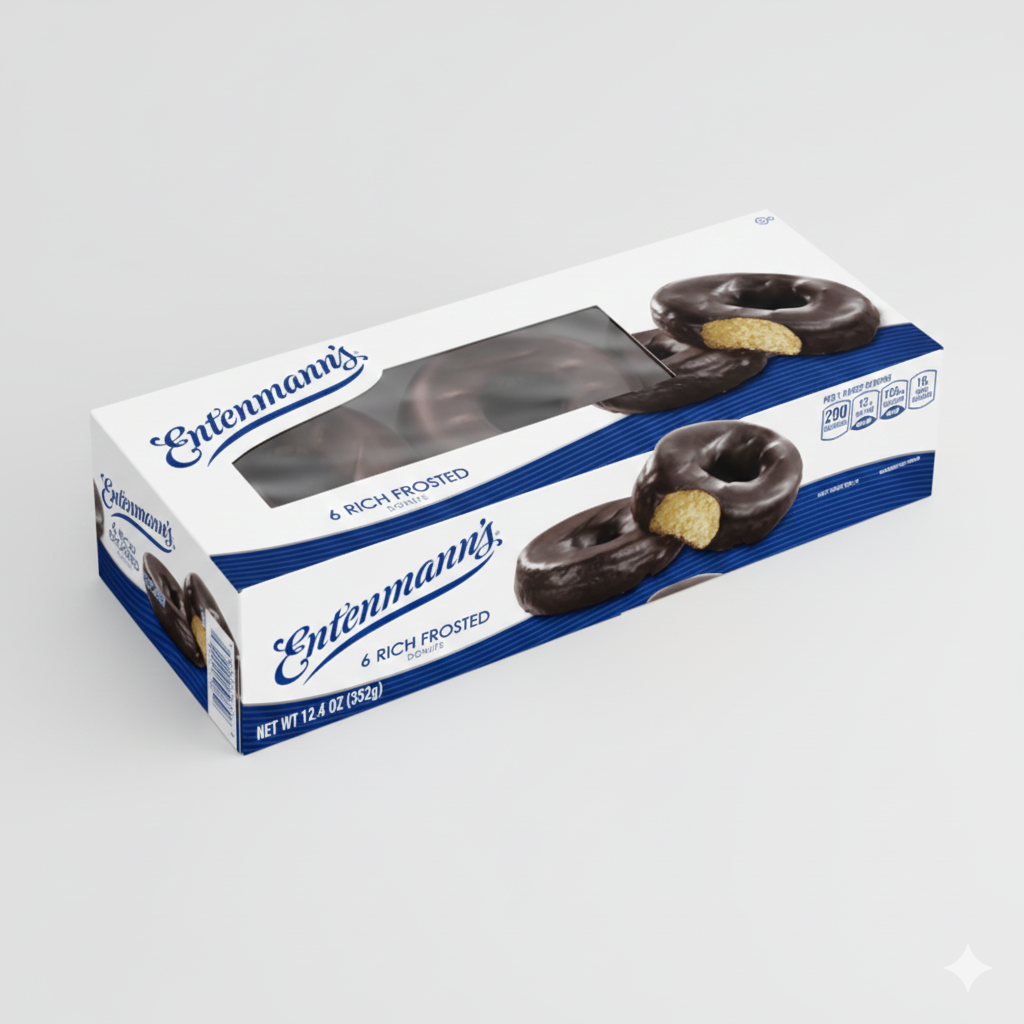
Entenmann’s was founded in 1898 by William Entenmann, a German immigrant, in Brooklyn, New York. Originally a bakery selling bread and pastries, the company quickly grew and became one of the most beloved names in the world of baked goods. In the early 20th century, Entenmann’s focused on delivering fresh bread to homes via horse-drawn wagons, later expanding to cakes, cookies, and pies.
Nestlé
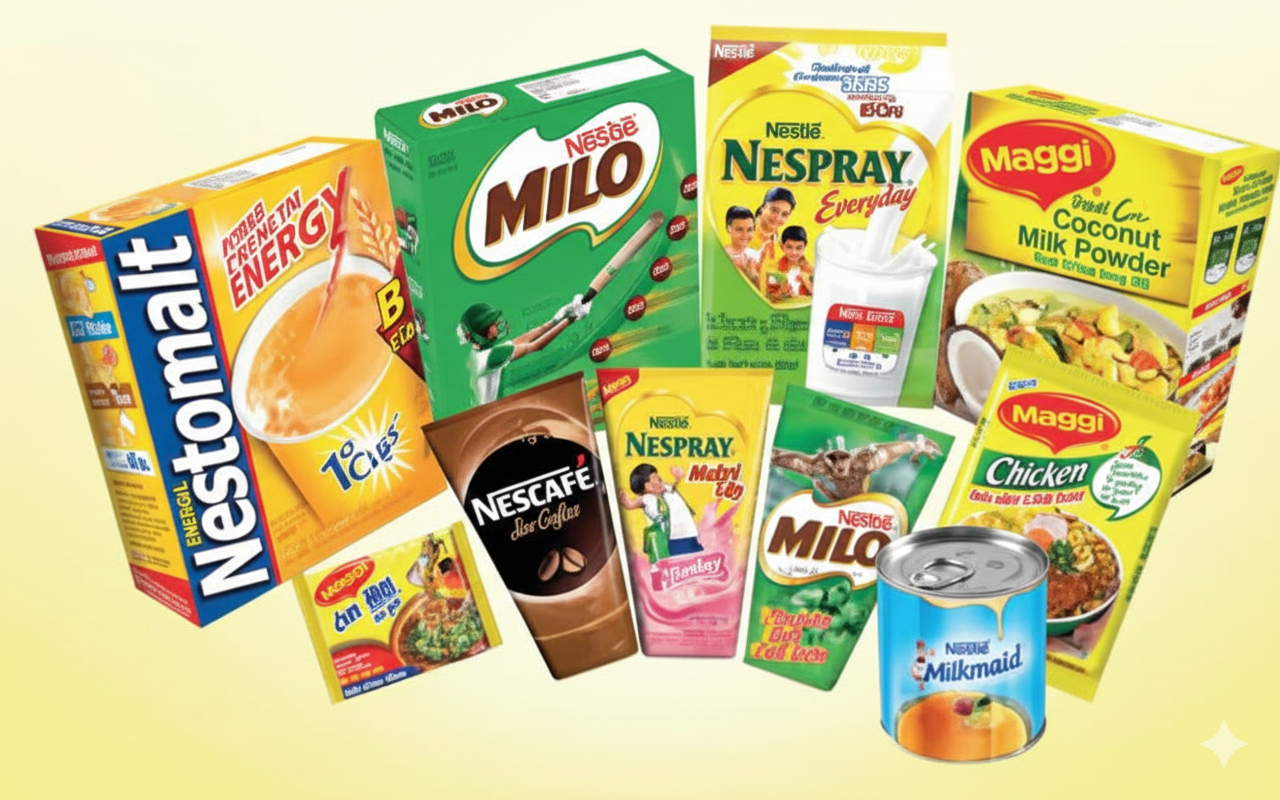
Nestlé’s journey began in 1867, when a Swiss pharmacist, Henri Nestlé, developed a life-saving infant formula. As the company grew, it expanded its product line to include chocolate, beverages, and packaged foods. Nestlé’s reach today spans the globe, with products available in nearly every country.
Heinz
Heinz is perhaps best known for its ketchup, but its story is much richer than that. Founded in 1869 by Henry Heinz in Pittsburgh, Pennsylvania, the company initially focused on selling horseradish. Over time, Heinz expanded its product offerings to include a variety of condiments, sauces, and food products that are now staples in homes worldwide.
Conclusion
The oldest food brands have a unique ability to adapt and evolve while staying true to their roots. From Oscar Mayer’s hot dogs to Heinz ketchup, these brands have weathered historical events, economic shifts, and changing consumer preferences.
Their stories remind us that food is not just about sustenance; it’s a cultural experience that binds generations together. These iconic brands have enriched our lives for decades, and their legacy will continue to shape the future of food for many years to come.
Read the original article on crafting your home