


The history of American slavery is far more complex than popular narratives suggest. Misunderstandings about the origins, scope, and experiences of enslaved people have persisted for generations, obscuring the realities of the system that shaped the United States. From those who owned slaves to the daily lives of those in bondage, common assumptions often distort the truth.
Here, we examine eight major misconceptions about American slavery and shed light on historical facts that challenge long-held myths.
Slaves Came from All Over Africa

Many assume that enslaved Africans originated uniformly across the continent. In reality, European traders focused on regions that could efficiently supply large numbers of captives. At the height of the transatlantic slave trade, about a quarter came from Senegambia, another quarter from west-central Africa, and significant numbers from the so-called “Slave Coast,” including modern-day Ghana.
These regions shared cultural and linguistic traits that influenced the adaptation of enslaved communities in America.
Slavery Was Only in Rural Areas
While most enslaved people worked on plantations, about 10% lived in urban settings. City slaves performed skilled labor, including blacksmithing, carpentry, and domestic service. Municipalities sometimes owned slaves to maintain roads, public buildings, and infrastructure.
Urban enslaved people often had more autonomy and opportunities to earn income, but they remained subject to the same systemic controls as those in rural environments.
Slaves Couldn’t Read
Southern states frequently banned the teaching of literacy to enslaved people, fearing that knowledge could facilitate rebellion. The U.S. became unique in legally restricting education for enslaved populations.
Despite these prohibitions, some enslaved individuals learned to read covertly, particularly for religious purposes or work-related tasks, demonstrating resilience and the pursuit of intellectual agency.
All Enslaved Africans Came Directly to the U.S.
Only a fraction of enslaved Africans arrived in the present-day United States. Of the estimated 10.6 million Africans transported across the Middle Passage, roughly 388,000 reached America.
The vast majority were sent to Brazil, the Caribbean, and other parts of South America. Many enslaved Africans in the U.S. were also imported indirectly from the Caribbean, highlighting the broader, hemispheric nature of the transatlantic slave trade.
Slavery Was Only in the South
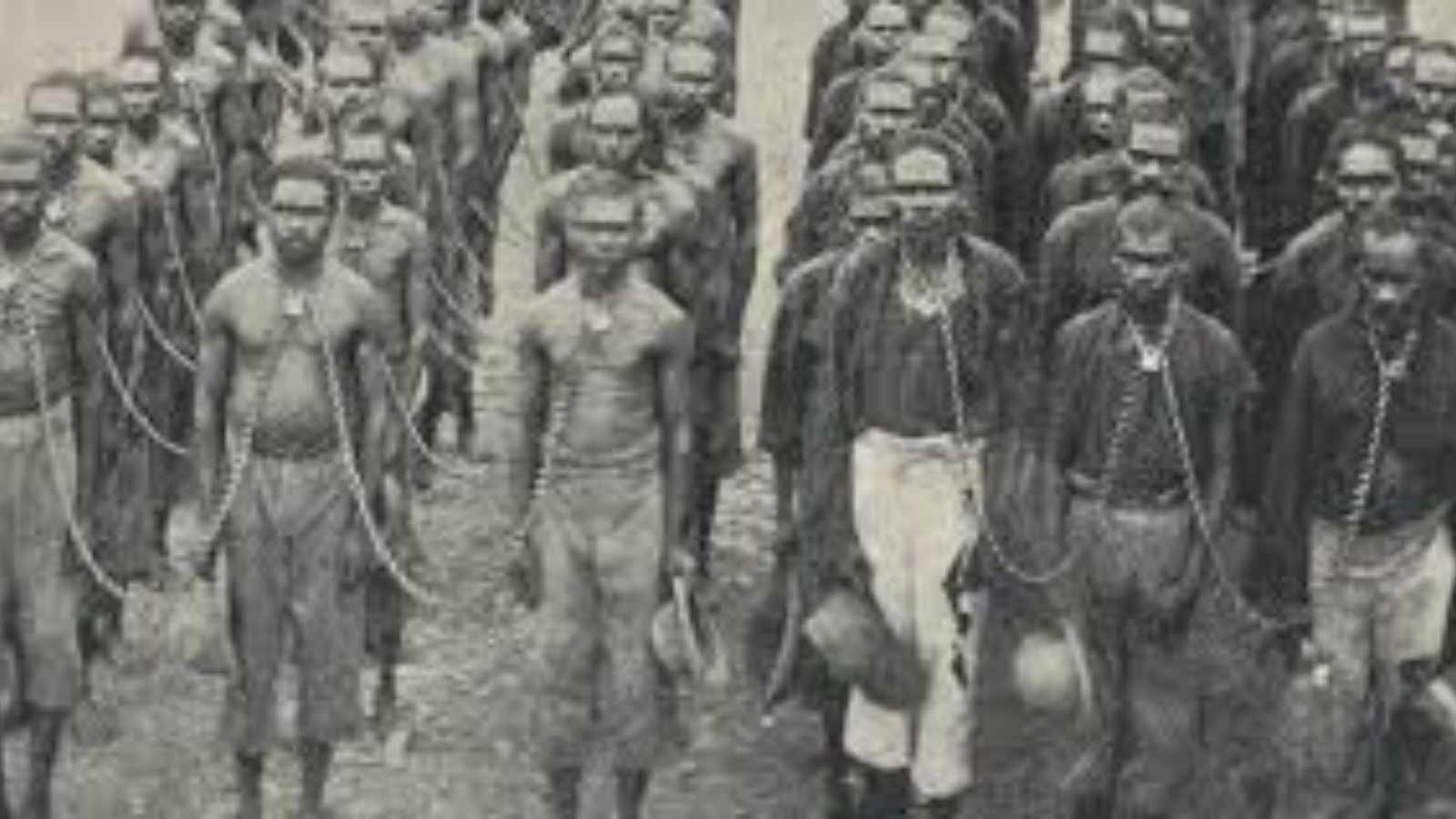
Slavery existed in every one of the thirteen original colonies. Northern cities like Boston and New York relied on enslaved labor for work on docks, in domestic service, and in businesses.
Gradual emancipation laws did not immediately free enslaved individuals, leaving adults and children in indentured servitude well into the 19th century. Northern slavery, though less pervasive than Southern plantations, was integral to economic development and urban infrastructure.
All Slaves Were Christian
Early American enslavers often discouraged conversion to Christianity, particularly in the 1600s and 1700s, to avoid moral objections to enslaving fellow Christians. By the 1800s, the Second Great Awakening led to widespread conversion, especially among Baptist and Methodist congregations.
Preachers frequently emphasized obedience and patience, blending spiritual instruction with the reinforcement of systemic hierarchy.
Slaves Lost Connection with African Roots
Despite forced migration and cultural suppression, enslaved Africans preserved elements of their heritage. Kinship systems, naming practices, and spiritual beliefs were adapted and maintained.
Conjurers and traditional healers helped preserve rituals and cultural knowledge, ensuring continuity of African identity despite the dislocation and trauma of slavery.
Slaves Couldn’t Earn Money
Although enslaved individuals were property, some had opportunities to earn a modest income. Skilled workers could take on additional tasks, cultivate gardens, or create handmade items for sale.
This limited autonomy allowed for the purchase of personal necessities or small luxuries, including clothing, food, and household items. Earning money provided a rare degree of self-determination within an otherwise controlled existence.
Conclusion
American slavery was far more nuanced than commonly portrayed. Understanding these ten misconceptions clarifies the systemic oppression, diverse experiences, and cultural resilience of enslaved people.
Recognizing the complexity of their lives challenges simplified narratives and ensures that the historical realities of slavery are accurately preserved for future generations.


