


Retirement is supposed to feel like freedom. After decades of work, deadlines, responsibilities, and alarm clocks, many people imagine a season of life where they can finally relax and enjoy the rewards of their efforts.
Yet retirement can quickly become stressful when old spending habits follow people into a new financial reality. Some expenses that seemed manageable during working years can quietly drain savings, create anxiety, and limit opportunities to enjoy life.
The good news is that many of these money drains can be identified and reduced before they become serious problems, and that brings us to the expenses retirees should watch closely.
An Oversized Home That No Longer Fits Your Life
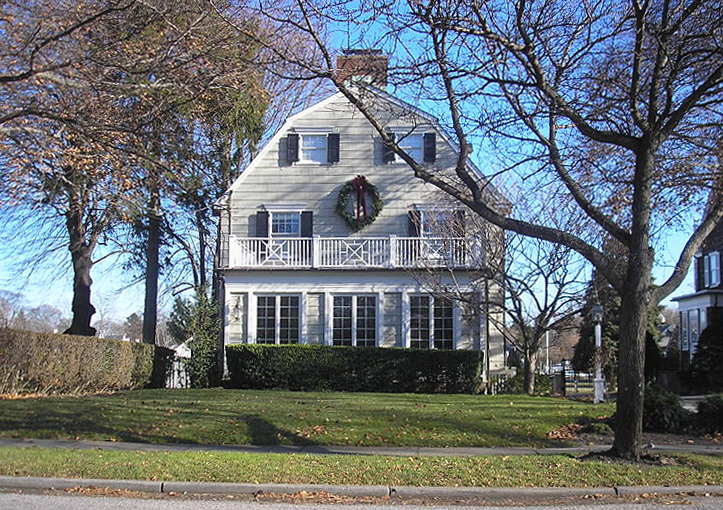
Many retirees remain in large homes long after their children have moved away and their daily needs have changed. What once felt like the perfect family house can gradually become an expensive burden filled with unused rooms, constant maintenance, and rising utility bills.
The emotional attachment to a home is understandable, but retirement often rewards simplicity rather than excess space. A smaller and more manageable home can reduce stress, lower monthly costs, and free up resources for travel, hobbies, and experiences that create lasting memories.
Multiple Vehicles Sitting Idle
Owning several vehicles may have made sense during busy working years when different family members needed transportation. Retirement often changes those routines, leaving some vehicles parked for long periods while insurance, registration, maintenance, and repair costs continue to accumulate.
Many retirees discover that one reliable vehicle is enough for their daily needs. Eliminating unnecessary vehicles can significantly reduce expenses and eliminate the ongoing worry of maintaining cars that rarely leave the driveway.
Expensive Subscription Services

Subscriptions have become part of everyday life. Streaming platforms, premium memberships, specialty clubs, digital services, and monthly deliveries can seem affordable individually, but together they often create a surprising financial drain.
Retirement is a perfect time to review recurring charges with fresh eyes. Many people discover they are paying for services they rarely use, forgot they had, or no longer need, making subscription cleanup one of the easiest ways to reduce unnecessary spending.
Dining Out As A Daily Habit
Sharing meals with friends and family is one of life’s great pleasures. Retirement often creates more free time for social gatherings, lunches, and restaurant visits, which can quietly transform occasional treats into routine expenses.
The issue is not dining out itself but the frequency. Preparing meals at home more often allows retirees to enjoy restaurant experiences as special occasions while protecting their savings from a spending habit that can grow unnoticed.
Supporting Adult Children Beyond Necessity
Parents naturally want to help their children succeed. Many retirees continue providing financial assistance long after their children have reached adulthood, often sacrificing their own security in the process.
Generosity is admirable, but retirement savings usually have one purpose. Continually rescuing adult children from financial difficulties can create strain on retirement resources that may never be replaced, making healthy boundaries an important part of long-term financial stability.
Impulse Shopping And Emotional Purchases

Retirement can create unexpected emotional adjustments. Some people shop out of boredom, loneliness, stress, or simply because they have more time to browse stores and online marketplaces.
Small purchases often feel harmless in the moment, yet they can slowly erode retirement savings. Becoming more intentional about spending helps retirees focus on purchases that genuinely improve their quality of life rather than filling temporary emotional gaps.
Luxury Habits Maintained From Working Years
A successful career often allows people to enjoy premium services, expensive brands, and convenience-based spending. The challenge comes when retirement income no longer supports the same lifestyle without placing pressure on savings.
Retirement does not require giving up enjoyment or comfort. It simply requires evaluating which luxuries truly matter and which ones have become automatic habits that no longer provide enough value to justify their cost.
Unused Memberships And Clubs

Many retirees continue paying for memberships they rarely use. Fitness centers, social organizations, professional associations, recreational clubs, and various memberships can remain active long after participation has faded.
These expenses often go unnoticed because they renew automatically. Reviewing memberships regularly helps retirees determine which activities still bring value and which ones have quietly become unnecessary financial obligations.
Conclusion
Retirement should be a chapter defined by freedom, fulfillment, and peace of mind rather than financial anxiety. Yet many retirees unknowingly carry expensive habits from their working years into a stage of life where every dollar matters more.
Oversized homes, extra vehicles, recurring subscriptions, excessive dining out, financial support for adult children, impulse shopping, luxury habits, unused memberships, and lingering debt can quietly chip away at retirement savings. None of these expenses may seem dangerous on their own, but together they can create a steady drain that limits options and reduces security.
The encouraging reality is that most of these expenses are within your control. A thoughtful review of where your money goes can uncover opportunities to simplify your life while strengthening your financial future.
Retirement is not about spending less for the sake of spending less. It is about spending wisely so that your resources support the life you truly want. The sooner unnecessary expenses are identified and addressed, the easier it becomes to enjoy retirement with confidence, freedom, and the peace of mind that comes from knowing your savings are working for you rather than disappearing through avoidable money drains.
Read the Original Crafting Your Home.


