Water is essential to our daily lives, but it often goes unnoticed as one of the largest utility expenses in most households. Everyday appliances that we use without much thought. We rely on them for convenience, comfort, and efficiency, but many of these gadgets are secretly driving up our water bills, wasting more than we realize.
From the showers we take to the laundry we do, these appliances can quietly deplete your wallet without ever drawing attention to themselves. It’s time to shine a light on the surprising offenders that may be responsible for the spike in your water costs.
Dishwashers

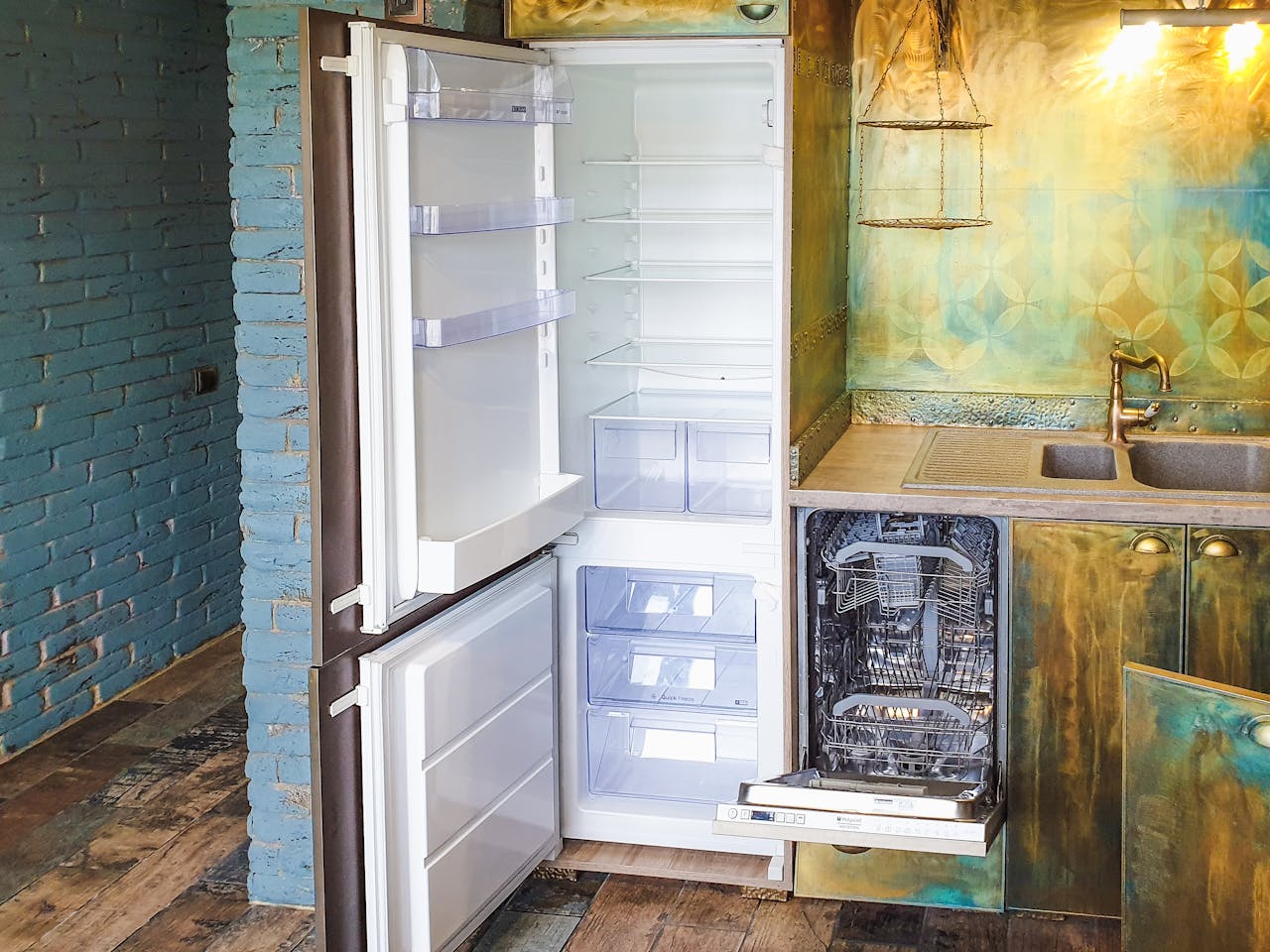
Dishwashers are a godsend for busy households. They promise convenience by cleaning your dishes while you focus on other tasks. However, they can also significantly increase your water bill. Modern dishwashers tend to use less water than washing by hand, but that’s not always the case.
If you’re using an older model, it could be using as much as 6 gallons of water per cycle. That’s a lot of water if you’re running multiple loads a week. Another hidden culprit? Running your dishwasher with a partial load.
Even though you may think you’re conserving energy and water by running it when it’s not full, the appliance still uses the same amount of water regardless of the load size. Consider switching to an energy-efficient model that uses less water, and always load it to capacity to make the most of each cycle.
Toilets
Toilets are probably the most obvious appliance when it comes to water use, but you’d be surprised at how much water they waste without you even noticing. The average toilet flush uses about 1.6 gallons of water, but older models can use as much as 5 gallons per flush. The issue arises when people don’t realize how many times they flush a day, leading to wasted water over time.
Washing Machines

Your washing machine might be another unsuspecting villain in your household’s water usage. On average, a top-loading washer can use up to 30 gallons of water per load, and front-loading models aren’t much better. If you’re running multiple loads a week, especially in a family household, this adds up quickly and just like dishwashers, running a half-full washing machine is a sure way to waste both water and energy.
Showers

Showers are often the largest source of water use in any household. A 10-minute shower using a traditional showerhead can use up to 25 gallons of water. While that might not sound like much, think about how often you shower per week, and that number quickly grows.
Longer showers, multiple family members, or high-flow showerheads all contribute to a significant water bill. One way to reduce water waste in the shower is to switch to a low-flow showerhead, which can reduce water use by up to 50%. Additionally, taking shorter showers can help save water. If you’re in the habit of running the water while you lather up or shave, try turning it off during those moments. It’s a small change that can lead to big savings over time.
Faucets
When we think about water waste, we usually imagine major appliances like dishwashers or washing machines. But faucets are often an overlooked source of water consumption. Whether it’s the kitchen sink, bathroom sinks, or outdoor faucets, each time you run the water, it adds to your water bill.
A single drip from a leaky faucet may not seem like a big deal, but over the course of a month, it can waste gallons of water. If you have a leaky faucet, fixing it should be a priority. Even a small drip is costing you money.
Another way to reduce water usage is to install water-saving aerators on your faucets, which limit water flow while maintaining pressure. This can make a noticeable difference, especially in high-use areas like the kitchen.
Sprinklers
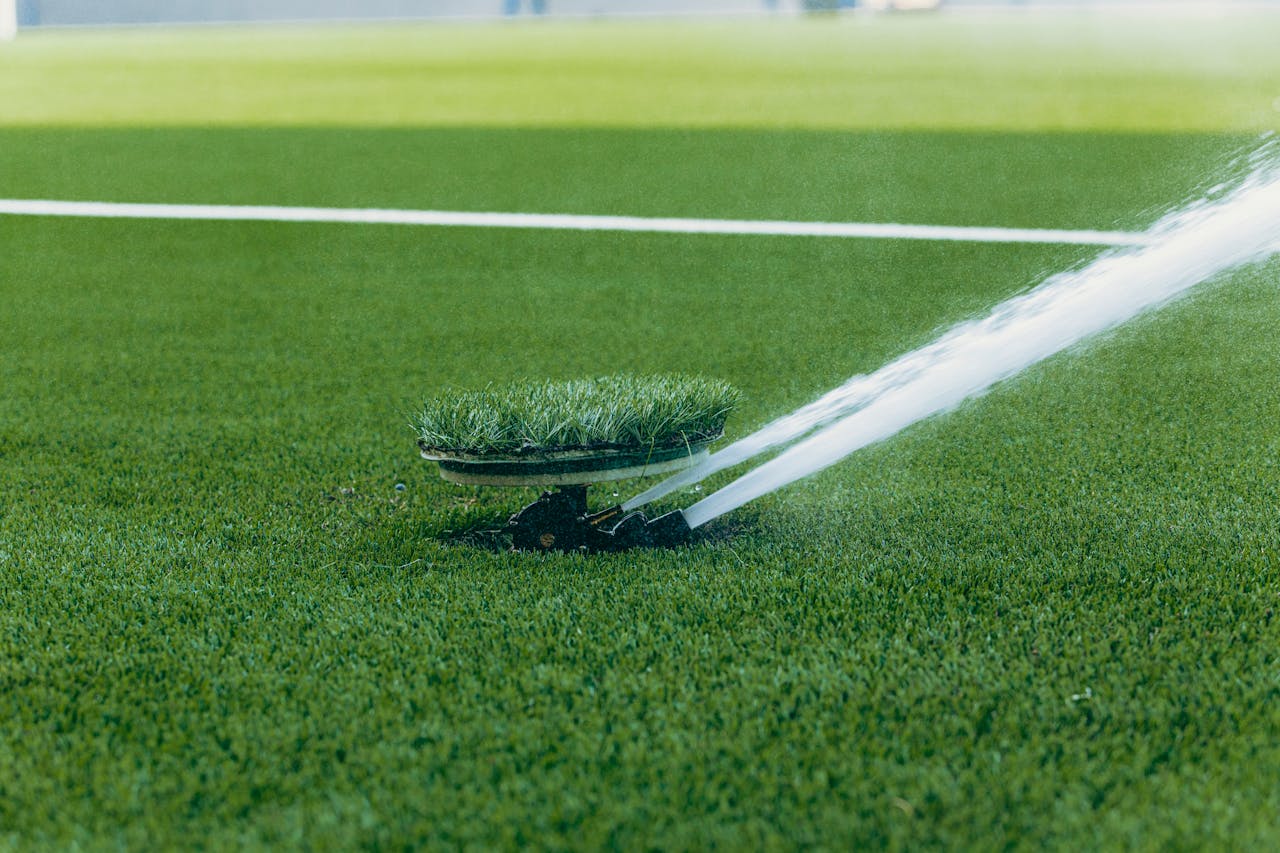
Sprinklers are another appliance that often goes unnoticed but can significantly contribute to your water bill. A typical sprinkler system can use between 1,000 and 2,500 gallons of water per month, depending on your lawn size and usage frequency. During the summer months, when lawns need more water, this number can climb even higher.
While keeping your garden lush and green is important, it’s also important to avoid over-watering. To keep your water usage in check, consider investing in a smart irrigation system that adjusts based on the weather.
Many modern sprinklers are designed to detect rainfall, so they won’t water your lawn if it’s already been rained on. Additionally, watering your lawn early morning or late evening helps minimize evaporation, ensuring the water you use goes directly into the soil.
Refrigerators with Ice Makers
Many refrigerators come equipped with built-in ice makers, a convenient feature that provides you with fresh ice on demand. However, ice makers can contribute to higher water bills in a way you may not have considered. While they don’t consume as much water as some other appliances, the continuous water supply to the ice maker still adds up over time.
The average refrigerator ice maker can use up to 5 gallons of water per day, especially if you’re using a lot of ice. If you have a refrigerator with an ice maker, consider turning it off if you don’t use it often. Alternatively, you could make ice manually and only turn the machine on when needed. This small change can significantly reduce the amount of water your refrigerator uses over time.
Water Heaters
Water heaters are essential in most homes, especially during cold months, but they can quietly drain your water and energy bills without you even realizing it. A traditional water heater continuously heats water to a set temperature, so it uses energy and water even when you’re not actively using it. While you’re not physically using water from the heater, it’s still consuming resources to maintain the temperature.
To reduce the waste, consider adjusting your water heater’s thermostat to a lower setting, around 120°F, which is hot enough for most household needs. If you have a tankless water heater, you’re already ahead of the game in terms of water and energy efficiency.
In addition, make sure your water heater is well-maintained, as sediment buildup can reduce its efficiency, forcing it to use more energy and water to heat the same amount of water.
Conclusion
Everyday appliances, while incredibly convenient, can be quietly contributing to your rising water bills. From the dishwasher to your water heater, many of the household devices we rely on daily use more water than necessary. The key to saving money on your water bill lies in being mindful of how you use these appliances.
Simple changes, like switching to water-efficient models, turning off appliances when not in use, and fixing leaks, can add up to significant savings over time. So, next time you use these devices, take a moment to consider their water impact. Could small adjustments be the key to lowering your water bill?
Read the original Crafting Your Home.