


Parenting rarely looks dangerous from the inside. Most of the time, it looks like love, protection, sacrifice, and doing your best with too little sleep and too many opinions flying at you from every corner. That is exactly why some of the most harmful parenting mistakes are so easy to miss: they often wear the mask of good intentions.
Trying to control every part of their life

It can feel like a responsibility to monitor everything your child does, says, wears, eats, and enjoys. Many parents call this guidance, but when control becomes the dominant style, children stop learning how to think for themselves and start living in fear of getting it wrong. A child raised under constant control may become obedient on the surface, yet deeply anxious underneath.
Using shame as a teaching tool
Some parents do not realize how often correction turns into humiliation. Saying things like you are so difficult, what is wrong with you, or why can’t you be more like your sibling may sound like frustration in the moment, but to a child, it lands like identity. Discipline should address behavior, not attack the person.
Never apologize when you are wrong.
Many parents believe apologizing weakens authority. In reality, refusing to apologize creates distance, because children learn that power matters more than truth. When a parent yells unfairly, makes an incorrect assumption, or reacts too harshly and then pretends nothing happened, the child is left with emotional confusion, nowhere to put it.
Protecting them from every discomfort

It is natural to want your child’s life to be easier than your own. No loving parent enjoys seeing tears, rejection, embarrassment, or disappointment. But when parents rush in to rescue a child from every hard feeling, they may be raising someone who looks protected in childhood yet feels helpless in real life.
Rewarding performance more than character
Parents often praise grades, trophies, neat rooms, polished manners, and impressive talents. None of that is wrong on its own, but when praise is mostly attached to achievement, children can begin to believe they are lovable only when they are impressive. That is a dangerous lesson because it creates a child who performs for approval rather than developing a stable sense of self-worth.
Dismissing their feelings because they seem small

Adults often judge a child’s emotions through an adult lens. A lost toy, a broken friendship, a skipped invitation, or a teacher’s tone may seem minor to a grown-up, but to a child, it can feel enormous. When parents respond with you are overreacting, stop crying, or it is not a big deal, they teach the child to distrust their inner world.
Fighting in ways that make home feel unsafe
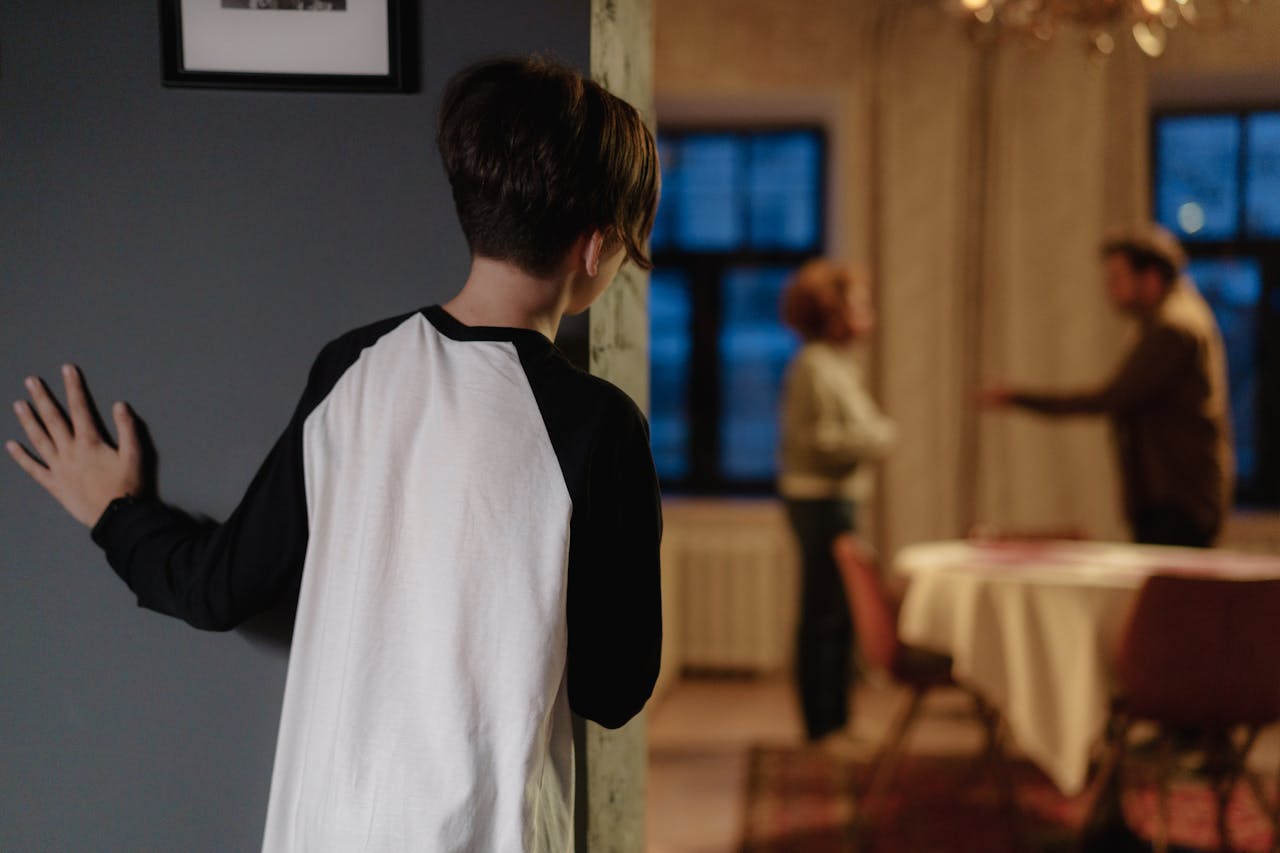
Every family has conflict. The danger is not disagreement itself, but the way it is handled. Constant yelling, silent treatment, insults, threats, slammed doors, or cold tension hanging in the house can make a child feel unsafe, even if nobody ever touches them. Children live inside the emotional climate adults create.
Expecting maturity that matches your stress level
One of the easiest mistakes to make is expecting children to respond like calm, rational adults during moments when even adults are overwhelmed. Parents under financial pressure, exhaustion, grief, or frustration often begin demanding too much emotional control from children who are still learning basic self-regulation. What looks like defiance may actually be immaturity colliding with unrealistic expectations.
Conclusion
Parenting mistakes are painful to face because they force adults to admit that love alone is not always enough. But that honesty can become a turning point instead of a source of guilt. The moment a parent becomes aware of a harmful pattern is the moment change becomes possible.
Children do not need flawless parents with scripted answers and endless patience. They need adults who are willing to grow, repair, listen, and lead with both strength and humility. That kind of parenting does more than avoid damage; it creates the kind of home a child can carry like quiet strength for the rest of their life.
Read the original Crafting Your Home.


