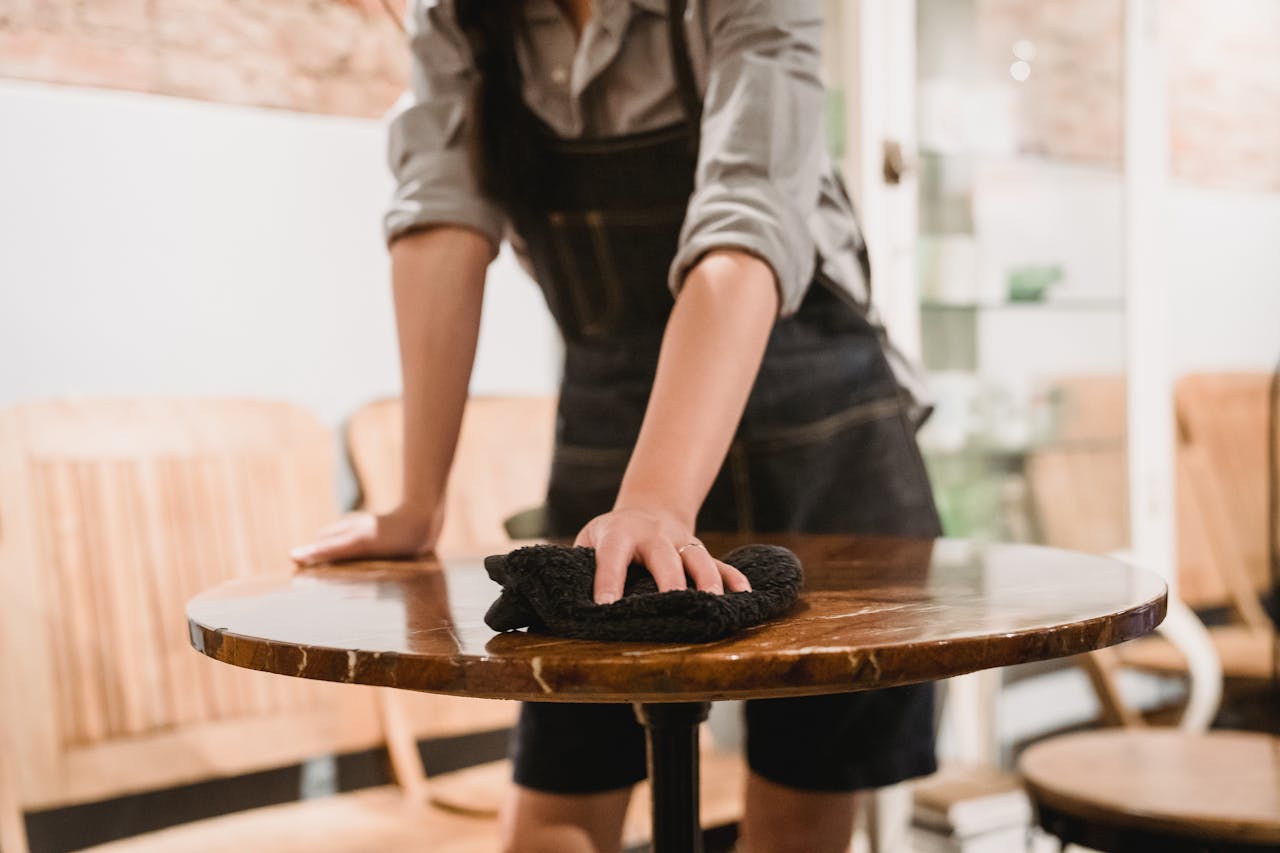
Cleaning your furniture seems like a simple task, but it’s easy to make mistakes that could lead to irreparable damage. If you’re not careful, the very items that enhance the beauty and comfort of your home could end up looking worn out or, worse, completely ruined. Whether you’re dealing with a beautiful leather sofa, a delicate wooden table, or a plush upholstered chair, the wrong cleaning techniques can lead to stains, discoloration, and irreversible damage.
Here are eight cleaning errors that could force you to replace your beloved furniture, and how to avoid them.
Using Harsh Chemicals on Delicate Fabrics
When it comes to cleaning upholstery, harsh chemicals can cause more harm than good. Many cleaning products contain bleach, ammonia, or other strong chemicals that can break down the fibers of your fabric. These chemicals can strip your furniture’s natural color, leaving unsightly stains or faded patches.
For instance, using a bleach-based cleaner on a sofa made of delicate microfiber or velvet can weaken the fabric’s structure, making it more prone to tearing and fraying. In some cases, these chemicals can even cause discoloration that’s nearly impossible to reverse.
Over-Wetting Wooden Furniture
Wooden furniture is incredibly susceptible to water damage. While it’s essential to wipe down surfaces, using too much water when cleaning can lead to warping, cracking, or peeling. Water can seep into the wood, causing it to swell or become discolored. Repeated exposure to moisture can weaken the wood and cause irreversible damage.
Scrubbing Leather Furniture
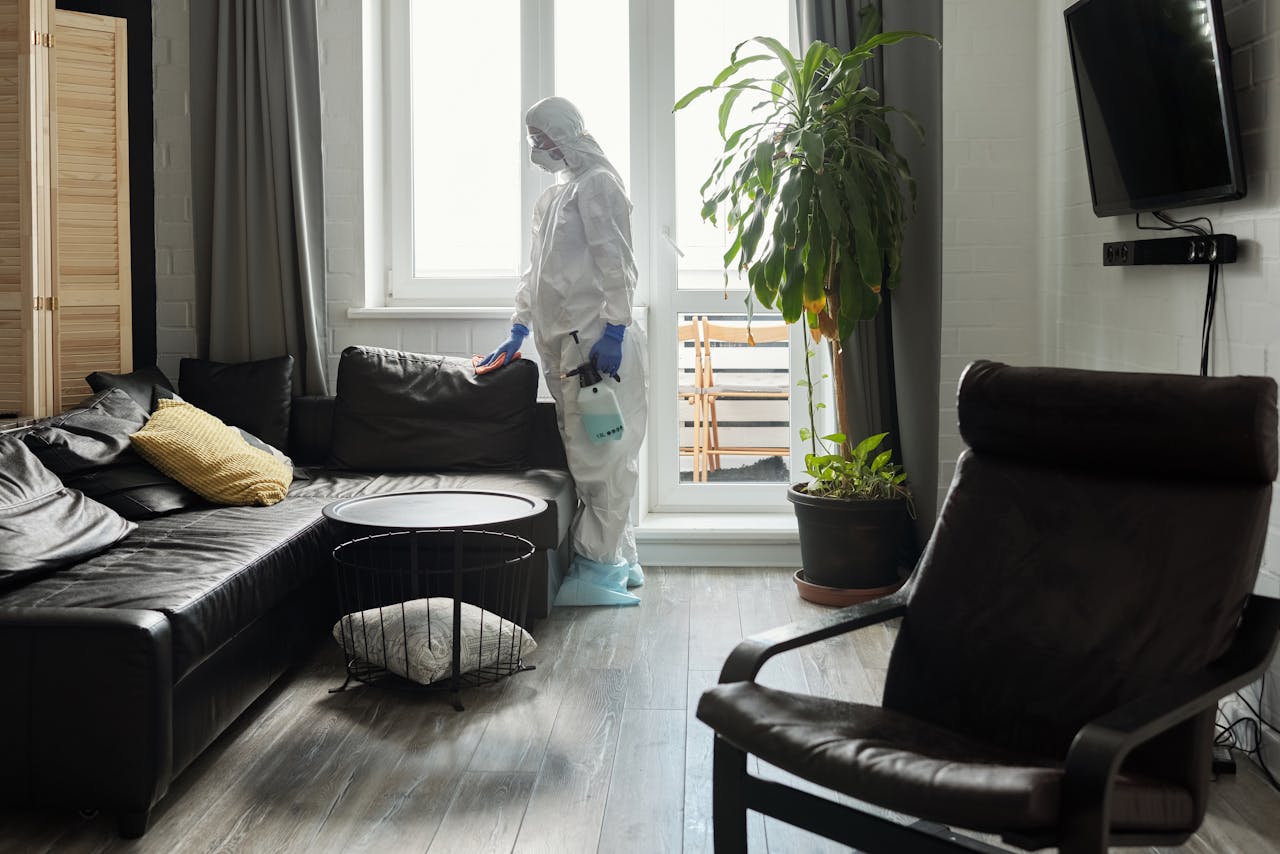
Leather furniture has a luxurious look, but it’s notoriously high-maintenance. One of the biggest cleaning mistakes people make is scrubbing leather too aggressively, either with a rough cloth or too much pressure. This can lead to unsightly scratches, scuffs, and cracks in the leather, making it look old and worn long before its time.
Ignoring Stains Immediately
Whether it’s a red wine spill on a chair or a coffee stain on a couch, letting stains sit for too long is a surefire way to ruin your furniture. Stains left untreated can sink deep into fabric or leather, causing discoloration that becomes increasingly difficult to remove over time. Even worse, some stains can attract bacteria, leading to unpleasant odors.
Using the Wrong Vacuum Attachment
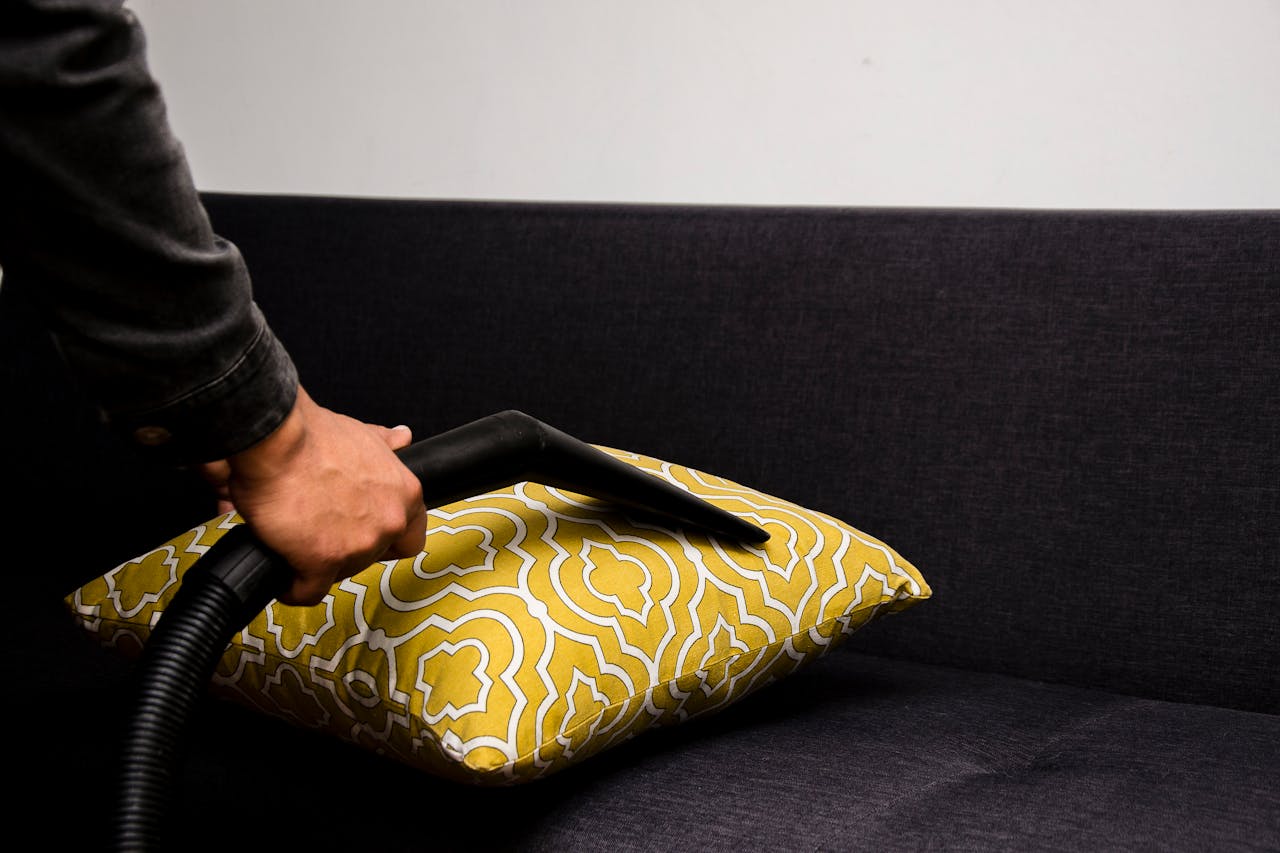
Vacuuming your furniture is an essential part of maintenance, but using the wrong attachment can result in serious damage. For example, a vacuum cleaner’s beater bar or brush can pull at the fibers of delicate fabrics or scratch wooden surfaces. This mistake can leave your furniture looking worn and cause long-term damage that might require expensive repairs or even replacement.
Over-Oiling or Over-Waxing Wooden Furniture
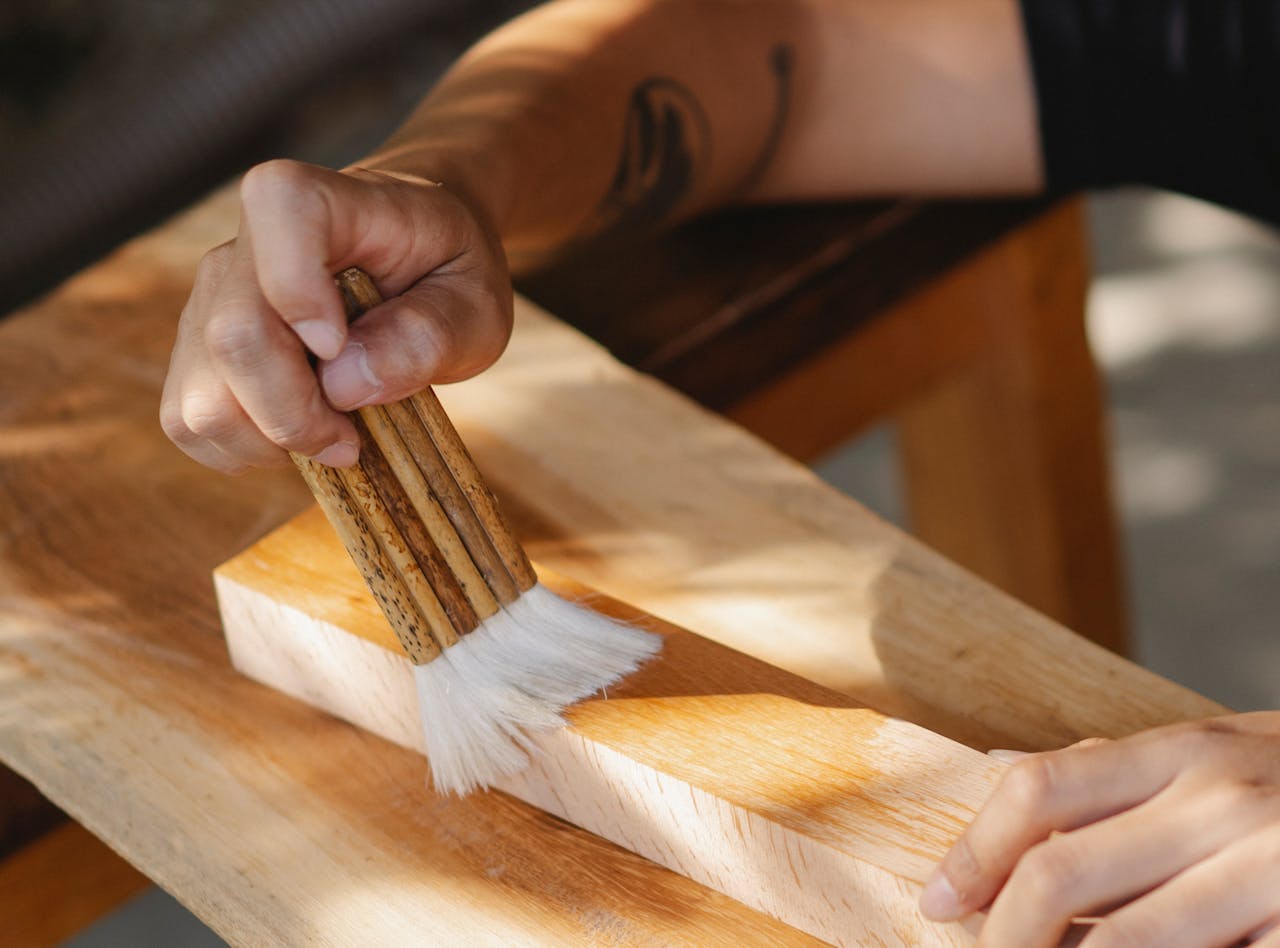
Wooden furniture can often benefit from a protective layer of oil or wax to keep it looking its best. However, overuse of these products can lead to a buildup that attracts dust, dirt, and grime. Excess oil or wax can also make your furniture feel greasy to the touch and create an unsightly shine, making your pieces look older than they are.
Using Too Much Pressure on Fabric Upholstery
When cleaning upholstered furniture, it’s easy to assume that the more pressure you apply, the cleaner your furniture will be. Unfortunately, scrubbing too hard can lead to pilling, fabric stretching, or even tearing. Over time, the pressure can wear down the upholstery fibers, leading to premature aging and a softer feel.
Not Protecting Furniture From the Sun

One of the easiest ways to cause irreversible damage to your furniture is to expose it to too much sunlight. Over time, prolonged exposure to UV rays can cause fabrics and wood to fade, discolor, and weaken. This is particularly true for items like leather sofas, which can dry out and crack when exposed to direct sunlight for extended periods.
Conclusion
Proper cleaning and maintenance of your furniture are essential to ensure its longevity and appearance. The wrong cleaning techniques can cause irreversible damage, forcing you to replace your beloved pieces prematurely. By avoiding common cleaning errors, such as using harsh chemicals, scrubbing too aggressively, or over-wetting wooden surfaces, you can preserve the integrity of your furniture for years to come.
Always follow the manufacturer’s instructions, use the right cleaning tools, and act quickly when accidents occur. With these tips in mind, you’ll keep your furniture looking as beautiful as the day you bought it.
Read the original Crafting Your Home.