

The Post 8 Backyard Trends Homeowners Can’t Get Enough of in 2026 first appeared in Crafting Your Home
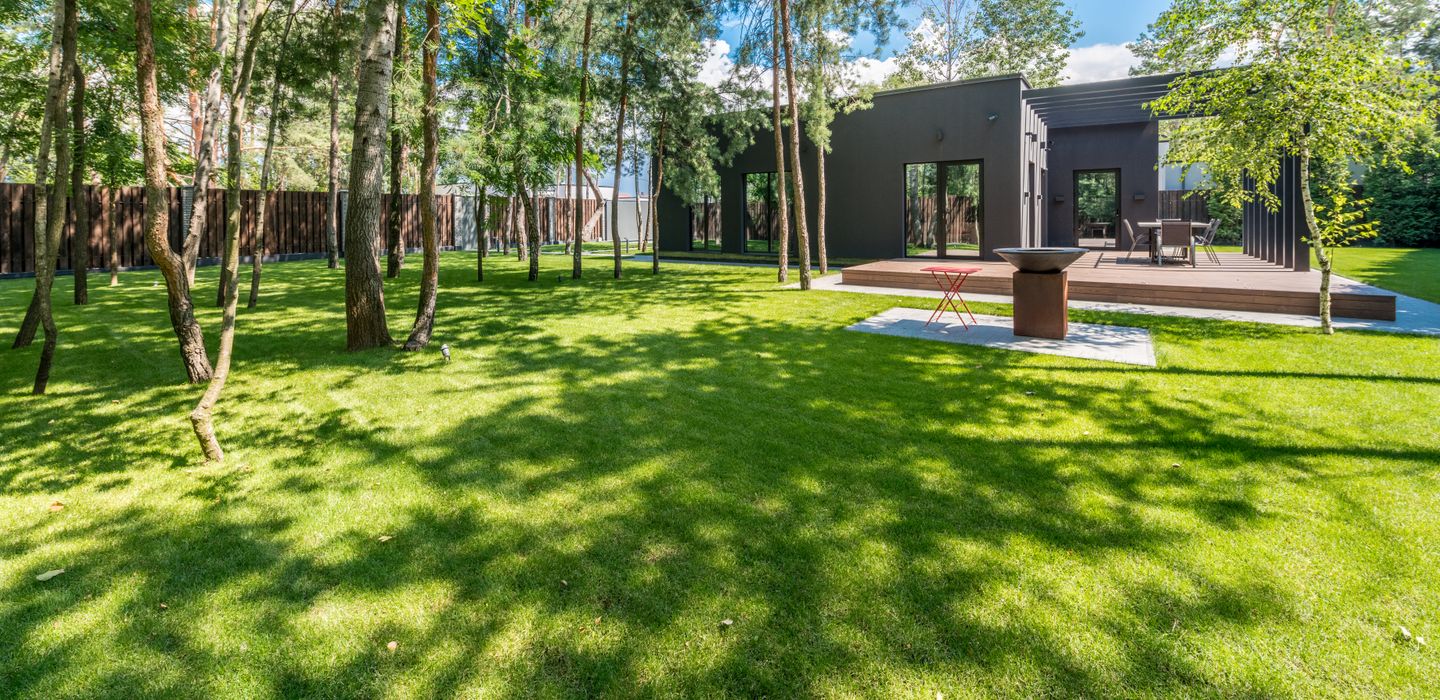
Forget the manicured, symmetrical lawns of decades past. In 2026, backyards are becoming looser, more personal, and far more useful.
According to garden design experts and industry researchers, homeowners are treating outdoor spaces less like a chore and more like an extension of the home itself, one meant for relaxing, growing food, and cutting fresh flowers for the kitchen table.
Here are eight garden trends showing up in yards across the country this year, straight from designers and horticulturists tracking them.
Gardens Are Becoming Personal Retreats
Container gardens on patios and decks.
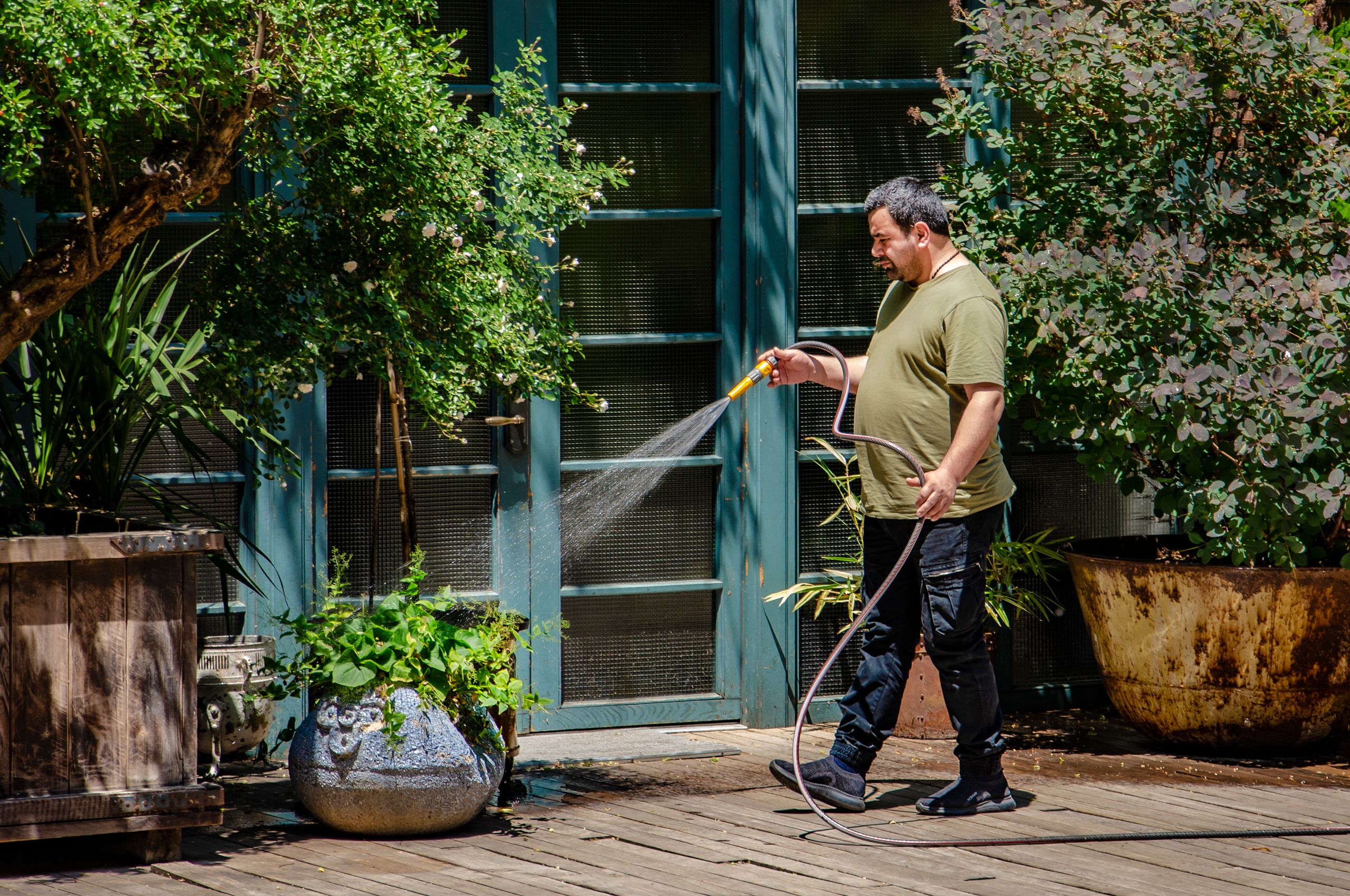
Outdoor living spaces keep expanding, even for homeowners without much yard to work with. Katie Tamony, chief marketing officer and trend spotter for Monrovia Nursery, said the shift stems from a genuine desire to soften hard surfaces with greenery. “There is more interest than ever in gardening on decks and patios,” Tamony said, based onMonrovia’s research involving more than 1,400 homeowners. They are creating whole gardens on their patios with beautiful containers.” Ferns, ornamental grasses, and climbing vines like jasmine are showing up as go-to picks for adding height, movement, and fragrance to these smaller spaces.
Romantic, “quiet luxury” yards.
Homeowners are also leaning into softer, more polished landscaping that feels like an at-home escape. Tamony described the aesthetic as “the landscape equivalent of a Nancy Meyers movie,” built around tidy evergreen hedges and a cohesive color palette. “We have seen increasing interest in climbing roses and growing roses in containers,” she said, noting a particular pull toward pink as an accent color against green backdrops. Boxwood, holly, lavender, and hydrangea are common building blocks for this look.
Muted, nature-inspired color palettes.
Bright, punchy garden colors haven’t disappeared, but many homeowners are opting for something calmer. Kerrie Kelly, CEO and creative director of Kerrie Kelly Studio and National Kitchen and Bath Association 2026 National Board Chair, said the shift favors grounded tones over high-contrast color. “We’re seeing a shift toward grounded, nature-based palettes, matte white shades, soft greens, silvery sages, and warm neutrals, with moments of deeper, moodier tones like burgundy and rust woven in,” Kelly said. “It’s less about bright pops and more about creating a calming, cohesive outdoor environment.”
Related: 7 Everyday Appliances That Are Silently Increasing Your Water Costs
Function Is Meeting Beauty in the Backyard
Heat- and drought-tolerant plants. With unpredictable weather and water restrictions becoming more common in many regions, homeowners are prioritizing plants that can handle real conditions rather than ideal ones. Corrina Stellitano Andrews, garden expert for Southern Living Plant Collection, said this is reshaping what people are willing to plant. “Plants need to perform under real summer conditions, not just ideal ones,” Andrews said. “Gardeners want plants that look high-impact but don’t require constant care.” She pointed to agapanthus as one example, a plant known for repeat blooms alongside low water needs.
Related: 10 Best Plants for Rain Gardens to Combat Runoff and Erosion
Bigger, more adventurous edible gardens.
Growing your own food remains one of the most consistent gardening trends, but it’s evolving beyond the basics. Tamony said interest now spans every age group, not just longtime gardeners. “When times are tough, people gravitate toward growing their own food, but this trend goes beyond that phenomenon,” she said. “The expansion we’re seeing in the edibles trend shows home gardeners are getting more adventurous and more world-aware in their selections.” That means homeowners are moving past tomatoes and cucumbers toward crops like kiwi, persimmons, and figs, along with space-saving picks like columnar apple trees and compact blueberries.
Tamer, more curated meadows.
The wilder, unstructured meadow look that gained popularity in recent years is getting a more refined update. According to Tamony, gardeners still want that natural, pollinator-friendly feel, just with a bit more intention. “This trend is where naturalistic design meets intentional simplicity,” she said. “They’re combining this interest into a design aesthetic that is natural but not unruly.” Kelly sees a related shift away from rigid formality altogether. “Highly structured, overly symmetrical gardens are starting to feel less relevant,” Kelly said. “People are moving away from anything that feels too rigid or high-maintenance in favor of spaces that feel more relaxed and livable.”
Nostalgia and Fresh-Cut Blooms Are Making a Comeback
Old-fashioned “Granny revival” plants.
Nostalgic, easy-care flowers are having a real moment again. Diane Blazek, executive director of the National Garden Bureau, said homeowners are gravitating toward plants they associate with their grandparents’ gardens. “Old-fashioned plants like hydrangeas, gladiolus, irises, and marigolds are popular again,” Blazek said. These varieties tend to be low-maintenance and long-lived, which makes them an easy sell for gardeners who want reliable color without much fuss.
Related: 10 Best Plants for Rain Gardens to Combat Runoff and Erosion
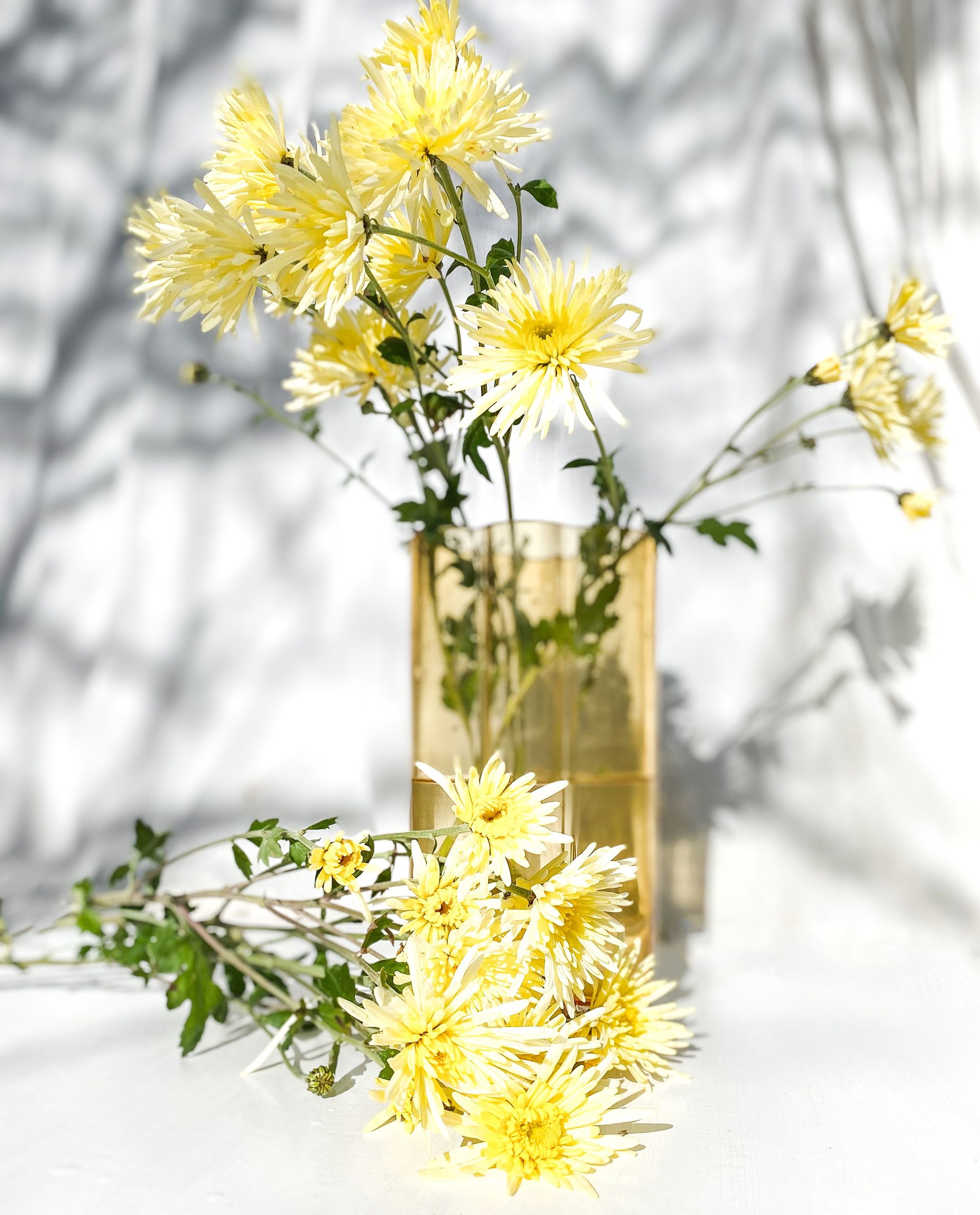
Cutting gardens for fresh flowers at home.
More homeowners are dedicating a section of the yard specifically to growing flowers meant to be snipped and brought indoors. Blazek said this trend has real staying power. “Growing your own cut flowers is still huge,” she said. “The most popular ones we see are hydrangeas, zinnias, dahlias, and dianthus.” Even a single stem, she noted, can bring a noticeable pop of color to an end table or nightstand without requiring a full floral arrangement.
Taken together, these eight trends point to something bigger than any one plant or color scheme. Homeowners in 2026 aren’t just decorating their yards; they’re trying to build outdoor spaces that actually get used, whether that means growing dinner, cutting flowers for the counter, or simply having a quiet, good-looking place to unwind after a long day. According to the experts tracking these shifts, that blend of beauty and practicality is likely to keep shaping backyards well beyond this year.
Other Posts You Might Like
- 17 Rapid Growth Shrubs to Transform Your Yard into a Lush, Private Oasis
- 7 Everyday Appliances That Are Silently Increasing Your Water Costs
- 10 Best Plants for Rain Gardens to Combat Runoff and Erosion
- 13 Small Mudroom Ideas That Maximize Style and Function
If you like what you just read, then subscribe to our newsletter and follow us on social media


