The post Sleeping Apart, Staying Together: Why More Couples Are Choosing Separate Bedrooms first appeared on Crafting Your Home.
For decades, separate bedrooms carried one unspoken meaning: trouble. If a couple slept apart, something must be wrong.
That assumption is getting a serious update. A growing number of couples are choosing to sleep in separate beds or separate rooms entirely, and according to the therapists and researchers studying the trend, it often has less to do with a failing relationship and everything to do with how each partner actually sleeps.
Here’s what’s really behind the rise of what’s now commonly called a “sleep divorce,” and what experts say it does and doesn’t say about a relationship.
It’s More Common Than You’d Think
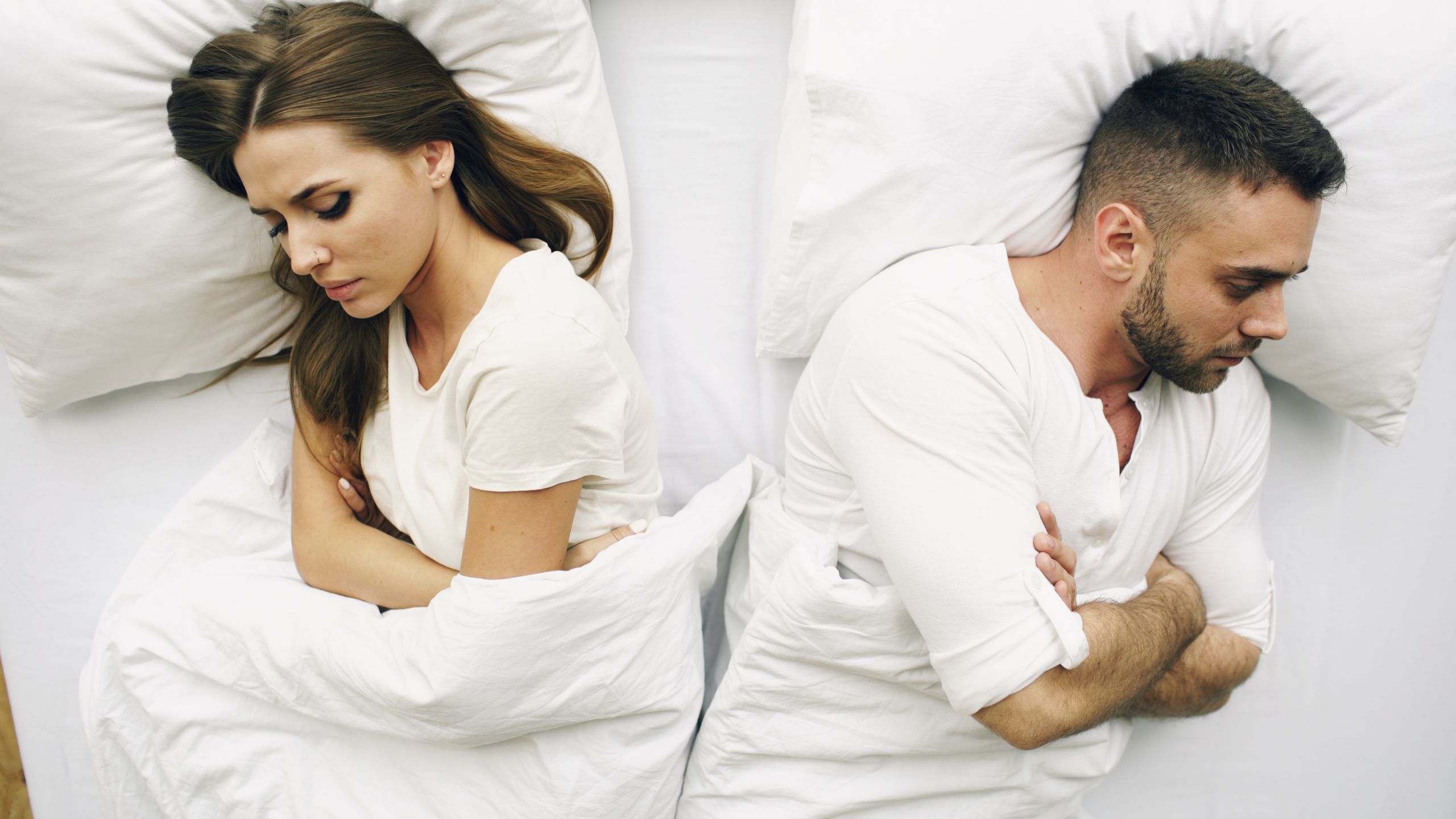
The numbers behind this trend are bigger than most people expect. According to a 2025 survey from the American Academy of Sleep Medicine, nearly one-third, 31%, of U.S. adults have opted for a sleep divorce, meaning they sleep in another bed in the same bedroom or in a separate space in the home to accommodate a partner’s sleep needs.
The AASM survey found this isn’t spread evenly across age groups, either. Adults between 35 and 44 were the most likely to sleep separately, at 39%, while adults 65 and older were the least likely, at 18%. A separate Fortune report citing AASM survey data found the numbers skew even higher among younger adults, with almost 43% of millennials saying they occasionally or consistently sleep in another room.
An AASM spokesperson addressed why this shift is happening now. “As clinicians, we’ve seen our patients and their spouses become more intentional about their sleep environment as they try to improve their sleep health,” the spokesperson said. “Often, this includes a conversation about separate sleep spaces to accommodate temperature preferences or even ambient lighting and noise.”
In other words, for a lot of couples, this isn’t a relationship decision at all. It’s a practical one, driven by mismatched sleep schedules, snoring, or one partner being a restless sleeper and the other needing total quiet.
Related: The Mind-Body Connection: Why Mental Health Fuels Better Intimacy
What the Experts Actually Say It Means
Here’s where the story gets more nuanced than the old “separate beds equal trouble” assumption. According to several relationship professionals, the arrangement itself isn’t the problem; how a couple arrives at it is.
Dr. Joshua Weiner, a psychiatrist who has been married for 25 years and has slept separately from his spouse for the past 10, spoke candidly to NBC Washington about the choice, telling the outlet, “It’s embarrassing to some degree,” while also describing how much better rested it leaves him. Weiner explained the practical logic behind it plainly: “You’re going to be much more agitated, irritated, angry at your spouse if you wake up exhausted and they’re the reason that you got a poor night’s sleep.”
Tamara Green, a New York couples therapist, told TODAY. that she’s seen the arrangement genuinely help her patients’ relationships and love lives. Asked whether couples who sleep apart can maintain a strong sexual connection, Green said it’s “absolutely” possible. “They get enough rest, and they feel like they are able to hear each other out and get their needs met,” she said.
Wendy Troxel, a sleep researcher at the Rand Corporation who has spent her career studying couples and sleep, made a related point in Psychology Today, arguing that framing separate sleeping arrangements as a sign of marital dissolution is misguided. According to Troxel, chronic sleep deprivation itself takes a toll on mood, empathy, and patience, the very qualities a relationship depends on, which is part of why getting genuinely restful sleep, even apart, can end up helping a couple rather than hurting them.
Related: 6-ways-healthy-couples-handle-conflict
Where It Can Become a Problem