


Mental health is an essential aspect of our well-being, yet many individuals struggle to access therapy due to the high costs associated with counseling and mental health services. Whether you’re struggling with anxiety, depression, or any other condition, the financial burden of traditional therapy shouldn’t stand in the way of getting the help you need. Fortunately, there are various affordable therapy options available that can fit within your budget.
Below, we will explore eight accessible ways to find the mental health support you deserve, without breaking the bank.
Sliding-Scale Therapy

Sliding-scale pricing is a valuable solution for people who need therapy but cannot afford the standard fees. Many therapists offer a sliding scale, which adjusts therapy fees based on your income. This system ensures that therapy remains accessible to those with limited financial resources.
Some community health centers and nonprofit organizations also use a sliding-scale model to make therapy affordable. If you’re facing financial challenges, it’s worth inquiring directly with therapists and mental health centers about whether they offer sliding-scale pricing. This can make a significant difference in your ability to afford therapy.
Employee Assistance Programs (EAPs)
Many employers offer Employee Assistance Programs (EAPs) to support employees’ mental health and well-being. EAPs typically provide confidential counseling services, often at no cost to the employee. These programs can be a great way to access short-term therapy sessions, particularly if you’re facing work-related stress, relationship problems, or other personal challenges.
EAPs may also provide referrals to other affordable mental health services if longer-term therapy is needed. If your employer offers an EAP, it’s worth taking advantage of these services to address any mental health concerns.
University Clinics

Many universities and graduate schools with psychology or counseling programs offer therapy at a fraction of the cost charged by private practitioners. These university clinics allow students pursuing clinical psychology degrees to provide therapy sessions under the supervision of licensed professionals. The cost of therapy at these clinics is typically much lower than that of private sessions, often ranging from $10 to $50 per visit.
Not only does this offer a budget-friendly way to access therapy, but it also provides students with valuable hands-on experience. These programs are widely available at universities across the country, making them an excellent option for affordable mental health care.
Medicaid
For low-income individuals and families, Medicaid offers a crucial resource for affordable healthcare, including mental health services. Medicaid is a public health insurance program that helps eligible individuals cover medical costs. If you qualify for Medicaid, you will have access to therapy and mental health treatment through participating providers at little to no cost.
While not everyone may be eligible, this program is one of the most significant ways to access affordable mental health care for those who qualify. Medicaid is a helpful option for uninsured individuals who need mental health support but struggle with the costs associated with private therapy.
Online Therapy

The rise of online therapy platforms has revolutionized mental health care, providing an accessible and often cheaper alternative to in-person therapy. Services like BetterHelp, Talkspace, and Cerebral offer therapy sessions for as low as $60 per week. Many of these platforms offer text, audio, or video-based therapy, providing flexibility and convenience.
Online therapy is an excellent option for individuals who may not have easy access to in-person sessions due to geographical location or time constraints. However, it’s essential to research different platforms and review the qualifications of the therapists they employ. Online therapy can be a highly effective and affordable way to receive professional support, particularly for those without insurance.
Nonprofit Organizations
Nonprofit organizations play a significant role in providing affordable therapy services to those in need. Organizations such as Open Path Psychotherapy Collective offer in-person and online therapy sessions at reduced rates, typically ranging from $30 to $70 per session. While some nonprofits may charge a membership fee to access their services, many provide excellent mental health support for a fraction of the cost of private therapy.
Additionally, local chapters of organizations such as the National Association of Free & Charitable Clinics can connect individuals with low-cost or even free mental health services in their area. If you’re struggling financially, reaching out to nonprofit organizations for mental health support can be a helpful step toward affordable therapy.
Support Groups
If you’re open to group therapy, support groups can be a highly affordable alternative to individual therapy. Many nonprofit organizations, universities, and community centers host support groups that focus on specific mental health issues like anxiety, depression, and grief. These groups are often free or ask for a minimal donation, and they offer a chance to connect with others facing similar challenges.
Group therapy has been shown to be just as effective as individual therapy for many conditions, providing both emotional support and practical strategies for managing mental health. By sharing your experiences with others and listening to theirs, you may gain new insights into your own challenges and develop a stronger sense of community.
Therapy Apps
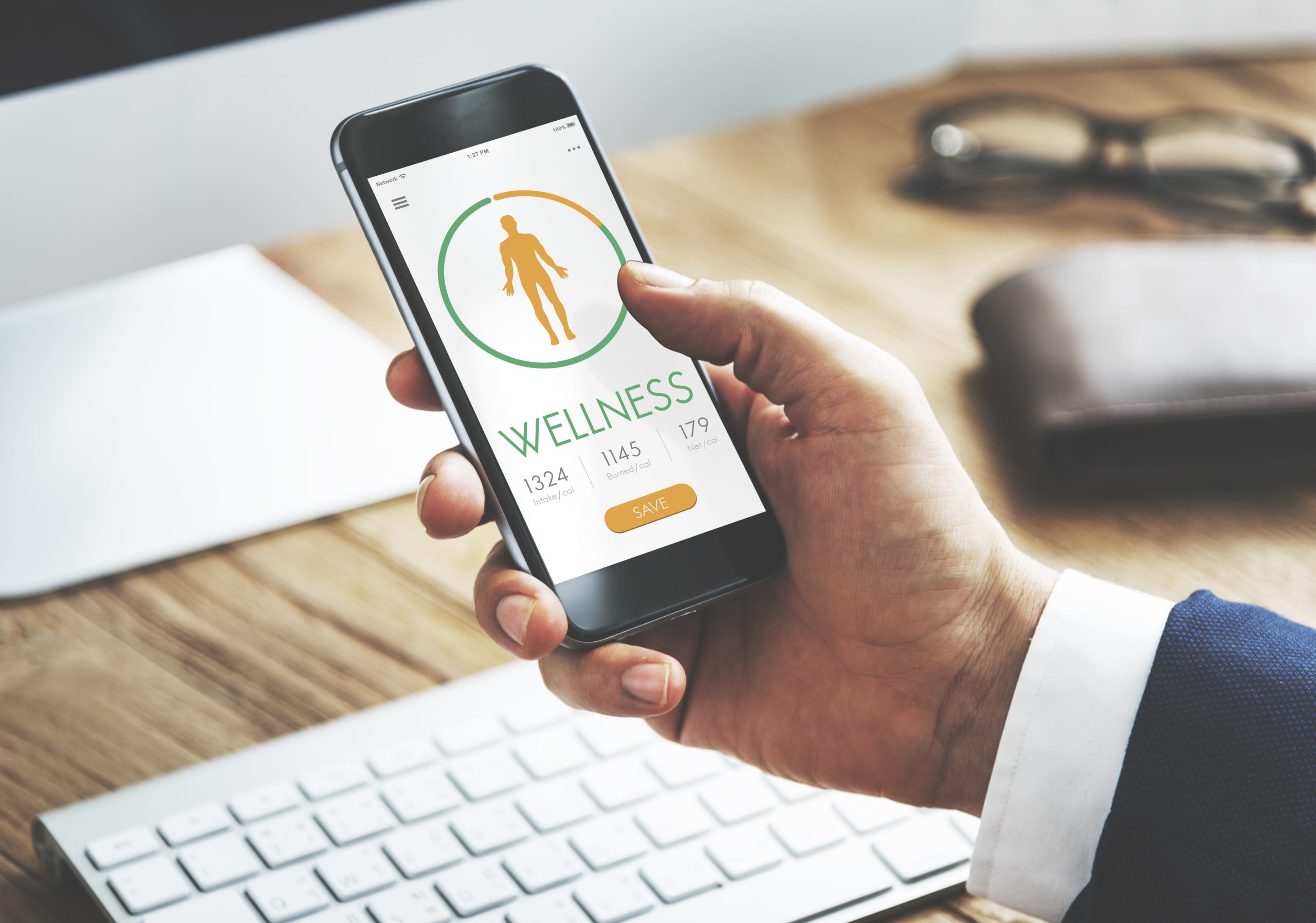
In the digital age, therapy apps are becoming a popular option for people seeking affordable mental health support. Apps like Mindshift, Calm, and Headspace provide guided meditations, cognitive-behavioral therapy (CBT) techniques, and other helpful tools to manage stress, anxiety, and depression. These apps can be a cost-effective option, with many offering free versions or affordable monthly subscriptions.
While they cannot replace professional therapy, these apps can complement traditional treatment by providing accessible resources to help manage day-to-day mental health challenges. If you’re looking for a flexible and affordable way to improve your mental well-being, therapy apps can be an excellent addition to your mental health toolkit.
Conclusion
Access to therapy shouldn’t be an obstacle, even if you’re on a tight budget. With so many affordable options available, you can find the support you need without the financial strain. From sliding-scale pricing and university clinics to online platforms and nonprofit organizations, there are numerous ways to get professional help at a lower cost.
Therapy apps, support groups, and Employee Assistance Programs also provide affordable alternatives to traditional counseling. Remember, taking care of your mental health is just as important as taking care of your physical health, and there are options available to ensure everyone gets the help they deserve. By exploring these affordable options, you can prioritize your mental well-being without the financial burden.
Read the original article in Crafting Your Home.


