7 Most Dangerous Small Towns in America

The image of small towns as safe havens, where everyone knows everyone and life moves at a slower pace, is often a comforting illusion.
While many small towns indeed offer peace and charm, there are certain communities in America where violence, poverty, and crime have transformed once-idyllic areas into surprisingly dangerous places. These towns may not always make the headlines like major cities, but their crime rates often tell a different story.
Below, we explore 7 of the most dangerous small towns in America, where residents face a daily struggle against rising violence and social unrest.
Bessemer, Alabama

Bessemer, Alabama, has emerged as one of the most dangerous small towns in the country, with a violent crime rate of 33.18 incidents per 1,000 residents, nearly ten times the national average. As a once-thriving industrial town, Bessemer’s struggles with economic decline, job loss, and a lack of resources have led to increased crime and social instability.
Residents in Bessemer face a very real danger on the streets, with aggravated assaults and robberies being common occurrences. Despite its proximity to Birmingham, Alabama, Bessemer often feels like it is without the support it needs to combat rising crime.
West Monroe, Louisiana
West Monroe, Louisiana, is another small town struggling with crime, with a violent crime rate of 1,359 per 100,000 residents. The city’s crime problems have been exacerbated by a lack of resources and an overburdened police force, which has led to slower response times and a sense of insecurity among residents.
The residents of West Monroe are often forced to plan their daily routines around crime statistics, constantly aware of the dangers they face. With a limited police presence and strained resources, the town’s struggle to keep its crime rate under control makes it one of the most dangerous places in rural America.
Monroe, Louisiana
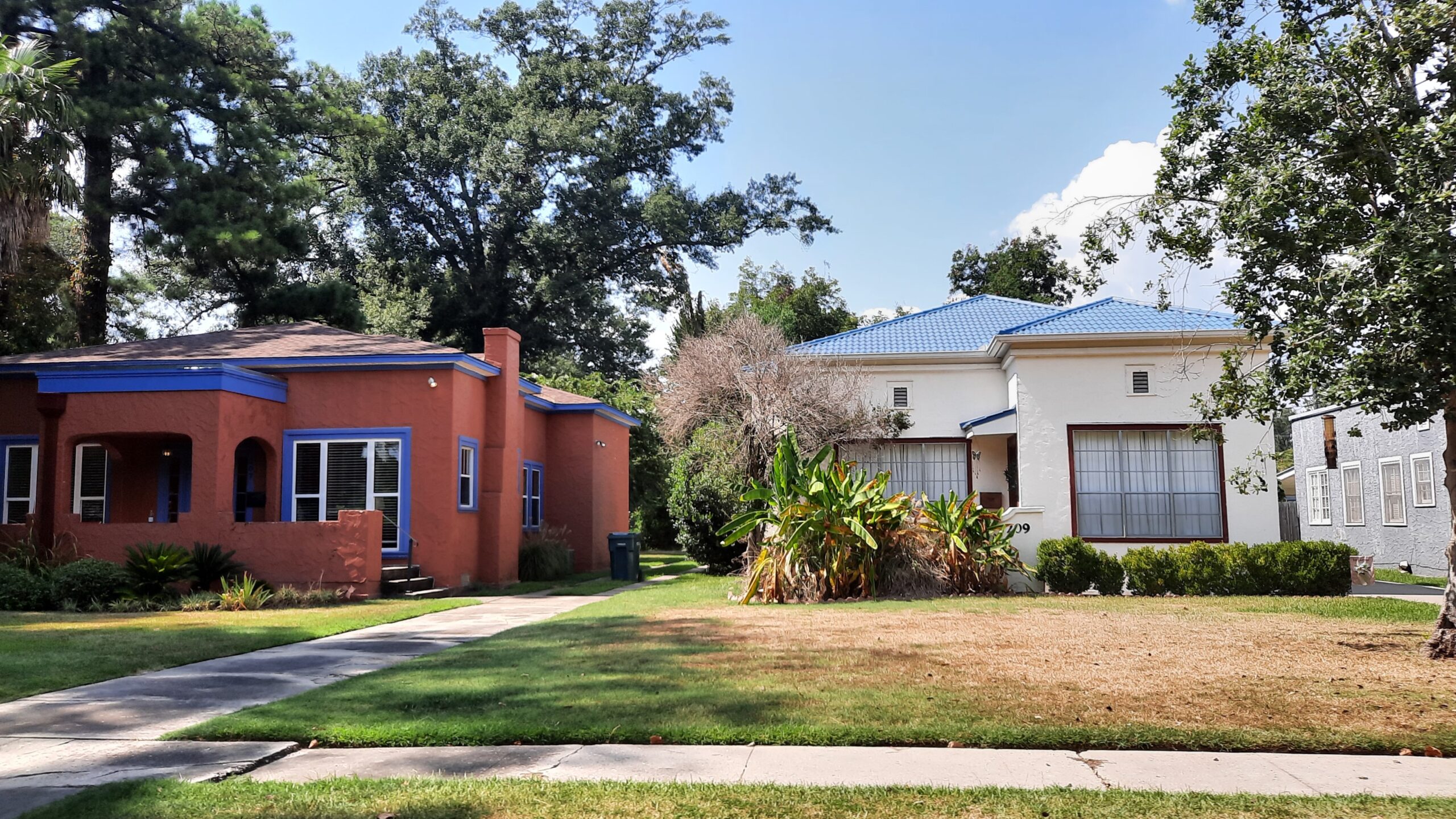
Monroe, Louisiana, is another small town where crime seems to have taken over, with a violent crime rate of 2,104 per 100,000 residents. For those living here, it’s a constant battle with fear, even during daily errands.
The town’s history of poverty and economic struggles, combined with insufficient policing, has created a dangerous environment where both residents and businesses are at risk.
Marksville, Louisiana,
Marksville, Louisiana, with a staggering 2,209 violent crimes per 100,000 residents, has become infamous for its incredibly high crime rate, which far surpasses the state average. A small town with a tight-knit community, Marksville is now struggling under the weight of social and economic challenges that have fueled its alarming crime statistics.
The town’s local police force is stretched thin, and the lack of resources exacerbates the problem. Marksville’s status as a crime hotspot serves as a cautionary tale about the consequences of neglecting small-town infrastructure and safety.
Fairbanks, Alaska
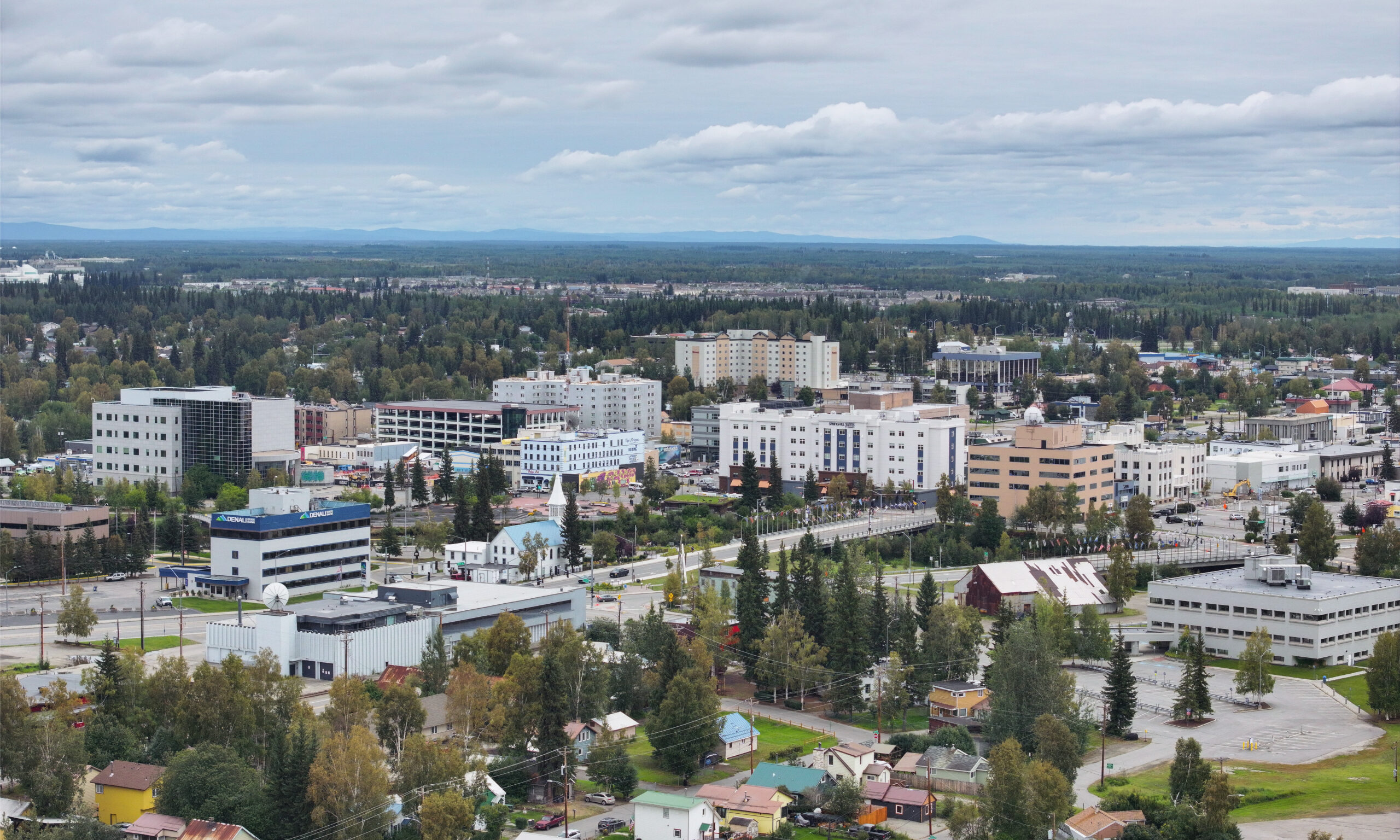
Fairbanks, Alaska, presents unique challenges due to its isolation and harsh winters. The town recorded 277 violent crimes in 2020, translating to a violent crime rate of 841.4 per 100,000 people. This remote Alaskan city, where resources are sparse and the community is isolated, faces the difficulty of controlling crime in such an environment.
The very isolation that attracts some to Fairbanks also contributes to its crime rate, as law enforcement is often stretched thin. With long winters and limited daylight, criminal activity can go unnoticed, making the town more vulnerable to crime than one might expect from a small, remote location.
Flint, Michigan
Flint, Michigan, became a national focal point due to its infamous water crisis, but the city’s struggles extend far beyond that. With a violent crime rate of 34.15 per 100,000 residents, Flint’s crime problems are deeply rooted in years of economic decline, poverty, and infrastructural neglect. The city faces some of the highest violent crime rates in the nation, making it one of the most dangerous small towns in America.
Efforts to rebuild Flint after its water crisis have been slow and difficult. The city continues to struggle with high crime rates, which are often exacerbated by systemic issues and a lack of adequate public resources. The crisis in Flint highlights how neglected infrastructure and poor governance can lead to far-reaching consequences for public safety.
Pine Bluff, Arkansas

Pine Bluff, Arkansas, stands out as one of the least safe small towns in America, with a violent crime rate of 2,067.1 per 100,000 residents. For the residents of Pine Bluff, stepping out the door can feel like rolling the dice, with odds of becoming a victim of violent crime higher than many other places in the country.
The town faces numerous challenges, including limited policing and a lack of economic opportunity, which contribute to its high crime rate. Despite ongoing efforts to improve safety, Pine Bluff remains one of the most dangerous small towns in America, where daily life is a constant battle against rising crime.
Conclusion
While many small towns are still perceived as safe havens, the reality is that many are grappling with rising crime rates, economic decline, and strained social services. These towns serve as stark reminders that small-town America is not immune to the dangers often associated with larger cities.
As we look at the stories of these small towns, it becomes clear that the challenges faced by these communities require serious attention and reform to ensure safety and stability for their residents.
Read the original article on crafting your home