


Your brain listens to your palate more than most people realize. The foods you eat every day may not erase a memory overnight, but certain choices can quietly affect focus, mood, energy, and long-term brain health when they become regular habits.
Memory is not protected by a single miracle food or destroyed by a single bad meal. The real danger often comes from repeated patterns that feed inflammation, strain blood sugar, affect circulation, and leave the brain working harder than it should.
Here are the foods worth watching if you want to keep your mind sharper for longer.
Sugary Drinks That Flood the Brain With Empty Energy

Soda, sweet tea, flavored coffee drinks, sports drinks, and fruit-flavored beverages can look harmless because they feel refreshing and familiar. The problem is that these drinks can send a rush of sugar into the bloodstream without the fiber that helps slow things down. Over time, that pattern may affect energy stability, concentration, and the brain’s ability to handle daily mental tasks.
Too Much Alcohol That Quietly Steals Mental Clarity
Alcohol can affect memory in a way many people underestimate. Heavy or frequent drinking can interfere with sleep, mood, attention, and the brain’s ability to store new information. Even when it feels relaxing in the moment, it can leave the mind less clear the next day.
The quiet danger is that alcohol can become a routine stress reliever instead of an occasional choice. Poor sleep and repeated brain fog can make memory feel weaker over time. Cutting back, drinking water, and choosing alcohol free days can help protect both mental clarity and overall health.
The brain needs steady fuel, not a wild sugar ride that peaks fast and crashes hard. When sugary drinks become a daily habit, they can crowd out water, tea, and nutrient-rich foods that support better overall health. Gradually swapping them for unsweetened drinks can be one of the simplest ways to protect your focus.
Ultra-Processed Snacks That Keep You Coming Back
Packaged cakes, chips, candy, instant noodles, frozen snacks, and heavily processed convenience foods are designed to be easy, fast, and hard to resist. They often contain a mix of refined starch, added sugar, unhealthy fats, and salt that makes the brain want another bite before the body feels truly nourished. That can lead to eating patterns that leave you full but underfed.
The danger is not just the snack itself but the way it quietly becomes the default meal. A brain that runs on low-quality fuel may struggle with steady attention, clear thinking, and balanced energy. Choosing whole foods more often gives the brain more of the vitamins, minerals, fiber, and healthy fats it needs to function well.
Fried Foods That Can Weigh Down More Than Your Stomach

Fried chicken, fries, doughnuts, fried pastries, and greasy takeout can feel comforting in the moment. But when fried foods become routine, they can add unhealthy fats and excess calories that may affect heart health, blood flow, and overall inflammation. Since the brain depends on healthy circulation, what affects the heart can also affect memory over time.
This does not mean every crispy bite is a disaster. It means frequent fried meals can slowly push the body in a direction that makes sharp thinking harder to maintain. Baked, grilled, roasted, or air-cooked options can still feel satisfying without making fried food the main event.
Processed Meats That Bring Hidden Health Costs
Bacon, sausage, hot dogs, deli meats, pepperoni, and similar processed meats can be convenient, but they often come with high levels of salt, saturated fat, and preservatives. These foods can easily fit into breakfast sandwiches, lunches, and quick dinners, making them a quiet daily habit. The concern grows when they replace lean proteins like fish, beans, poultry, eggs, or nuts.
Memory health is closely tied to overall body health. When processed meats dominate the plate, they can support eating patterns that are less heart- and brain-friendly. Keeping them as occasional foods rather than everyday staples can make the diet more balanced.
Refined Carbs That Burn Fast and Fade Quickly
White bread, sugary cereals, pastries, white rice, and many packaged breakfast foods can be digested quickly, leading to a rapid rise in blood sugar. That quick burst may feel helpful for a moment, but it often fades into hunger, tiredness, and foggy focus. The brain performs better when fuel is steady rather than constantly rising and falling.
Refined carbs can be especially tricky because they appear in foods people eat on autopilot. A rushed breakfast or quick lunch can become a daily cycle that leaves the brain chasing energy. Choosing oats, beans, whole-grain bread, brown rice, vegetables, and fruit can help create a more sustained, steady fuel supply.
Foods Heavy in Saturated Fat That May Cloud the Bigger Picture
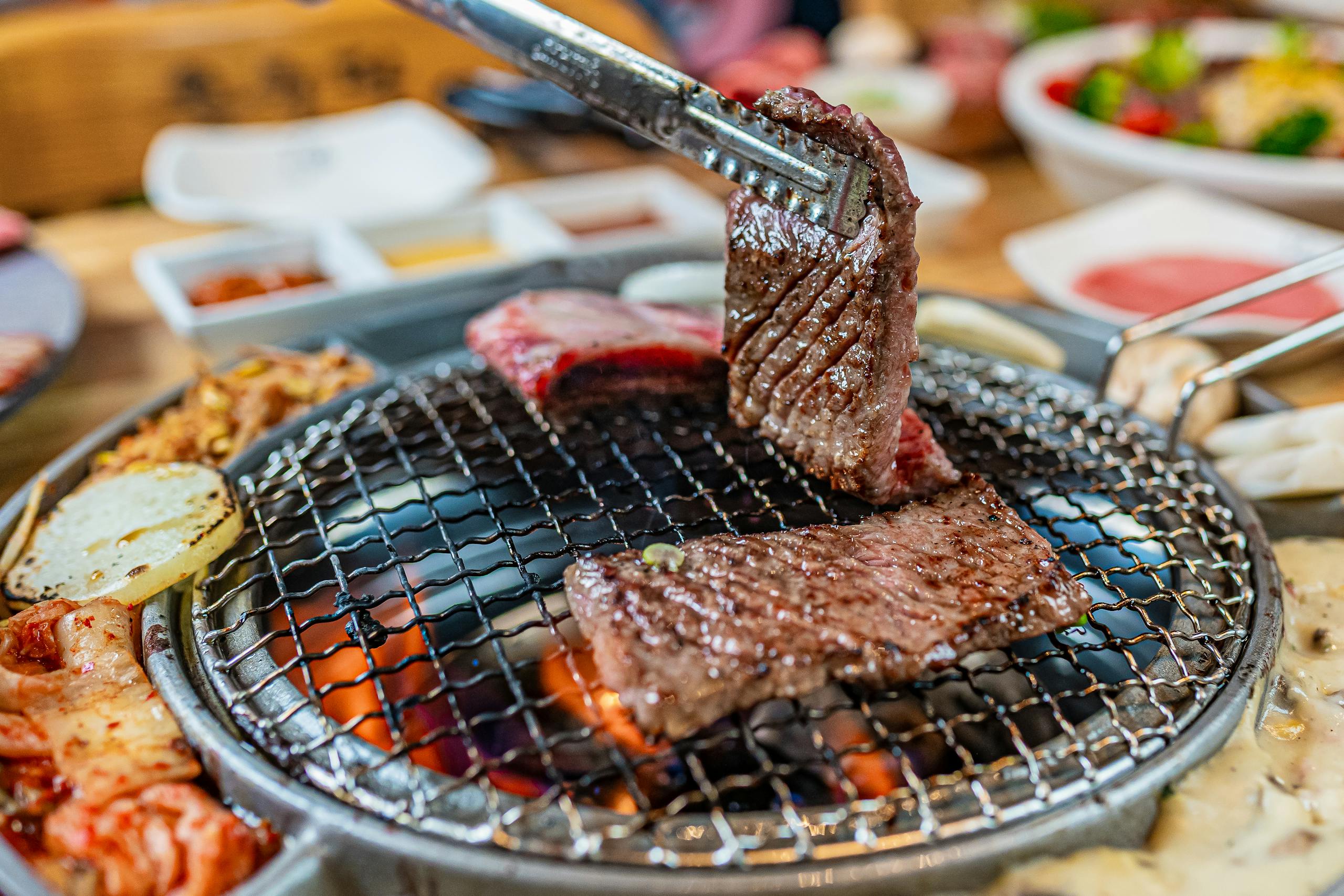
Butter-loaded meals, fatty cuts of meat, cream-based dishes, rich desserts, and heavy cheese snacks can taste comforting and satisfying. Still, eating too many saturated-fat-rich foods can harm heart health, and the brain depends on healthy blood vessels to receive oxygen and nutrients. When circulation is impaired, memory and thinking may be affected too.
The goal is not to fear fat. The brain needs healthy fats, especially from foods like olive oil, nuts, seeds, avocado, and fatty fish. The smarter move is to shift the balance away from heavy saturated fat and toward fats that support the body more gently.
Conclusion
Memory does not fade because of one cookie, one burger, or one soda. The bigger issue is the pattern that builds quietly when sugary drinks, ultra-processed snacks, fried foods, processed meats, refined carbs, saturated fat-heavy meals, and too much alcohol become regular parts of life.
These foods can crowd out choices that support the brain’s energy, focus, and resilience.
A sharper mind often starts with simple swaps rather than strict rules. More water, more vegetables, more whole grains, more lean protein, more healthy fats, and fewer processed foods can support the brain without making meals feel boring or punishing.
The best approach is balance, not fear. Your brain deserves steady fuel, strong circulation, good sleep, and daily nourishment that helps it keep up with the life you are trying to live.
Read the Original Crafting Your Home.


